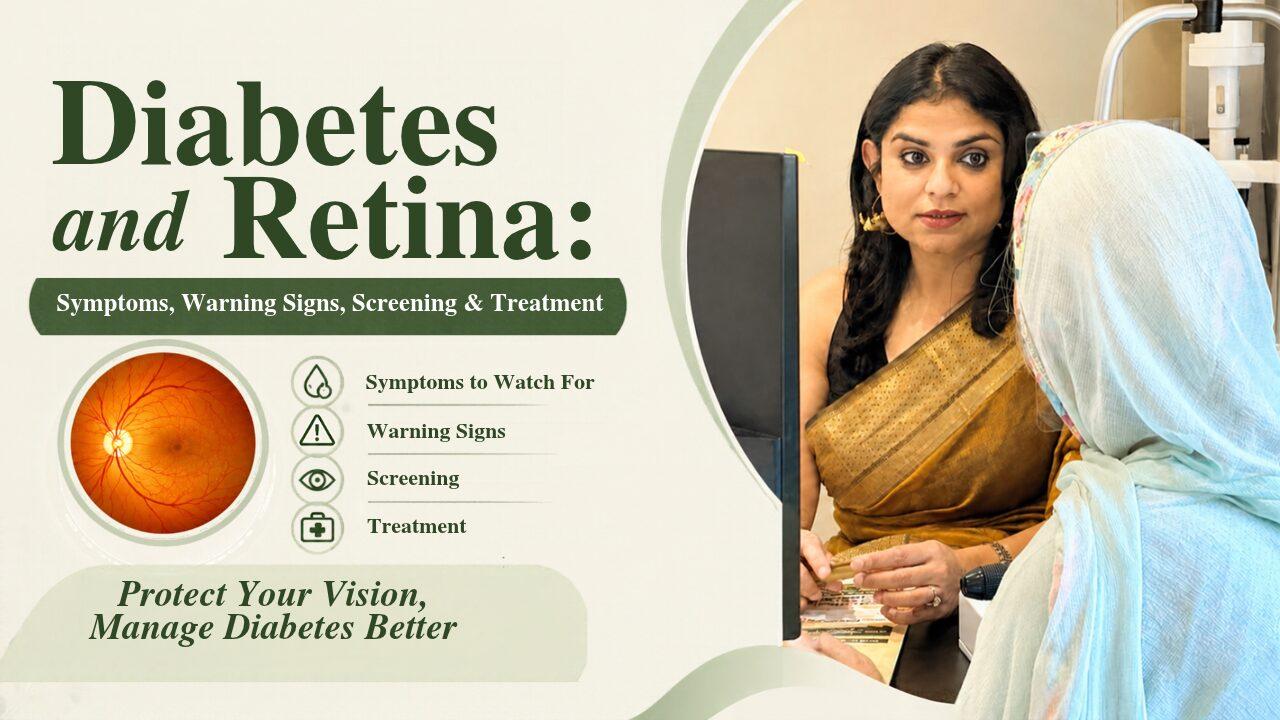
Diabetic Retinopathy
Diabetes and Eye Health, Diabetic Eye Disease, Diabetic Retinopathy Symptoms, Diabetic Retinopathy Treatment, Diabetic Eye Screening, Retina Specialist in Delhi.
Diabetes can affect more than just your blood sugar levels. Over time, uncontrolled diabetes can damage the tiny blood vessels in your retina, leading to a serious eye condition known as Diabetic Retinopathy. If left untreated, this condition can cause permanent vision loss.
The concerning fact is that diabetic retinopathy often develops without noticeable symptoms in its early stages. You may have retinal damage even when your eyesight appears normal.
In this guide, we will explore the causes and symptoms of diabetic retinopathy, important warning signs, diagnostic tests and available treatment options. At Netram Eye Foundation, we are committed to promoting eye health awareness and encouraging timely diagnosis to help protect vision.
Understanding Diabetic Retinopathy: Why Does Diabetes Affect Your Eyes?
The retina is the light-sensitive layer at the back of your eye that helps you see clearly. When blood sugar levels remain high for a prolonged period, the tiny blood vessels supplying the retina can become damaged.
These blood vessels may leak fluid or blood, become blocked, or develop abnormal new blood vessels. This condition is called diabetic retinopathy.
Both Type 1 and Type 2 diabetes can cause diabetic eye disease. The risk generally increases with the duration of diabetes and poor blood sugar control.
The most important concern is that retinal damage can progress silently. Regular diabetic eye screening is therefore essential, even if you do not experience any vision problems.
Common Symptoms of Diabetic Retinopathy
Early diabetic retinopathy may not cause noticeable symptoms. However, as the condition progresses, patients may experience:
- Blurred or fluctuating vision.
- Dark spots or floating particles (floaters).
- Difficulty seeing at night.
- Difficulty reading or recognising faces.
- Dark or empty areas in the field of vision.
- Distorted or wavy vision.
- Sudden changes in eyesight.
Important: Sudden vision loss, a sudden increase in floaters or flashes, or a curtain-like shadow across your vision requires urgent medical attention.
The Two Main Stages of Diabetic Retinopathy
Diabetic retinopathy generally develops in two main stages:
- Non-Proliferative Diabetic Retinopathy (NPDR): This is the early stage. Small blood vessels in the retina become weak and may develop tiny bulges called microaneurysms. These vessels can leak blood or fluid. Patients may not experience any noticeable vision changes initially.
- Proliferative Diabetic Retinopathy (PDR): This is an advanced stage in which abnormal new blood vessels develop in the retina. These vessels are fragile and may bleed inside the eye. In severe cases, scar tissue can pull on the retina and cause retinal detachment.
Early diagnosis and timely treatment are important to reduce the risk of serious vision loss.
Diabetic Macular Edema: Another Serious Eye Complication
Diabetic Macular Edema (DME) occurs when fluid accumulates in the macula, the central part of the retina responsible for sharp and detailed vision.
Common symptoms include blurred central vision, difficulty reading and distorted images.
An OCT (Optical Coherence Tomography) scan helps detect swelling in the macula and monitor retinal changes.
How Is Diabetic Retinopathy Diagnosed?
A comprehensive diabetic eye examination helps identify retinal damage before significant vision loss occurs. An ophthalmologist or retina specialist may recommend:
- Dilated Fundus Examination: Eye drops widen the pupils so the doctor can examine the retina and identify bleeding, swelling or abnormal blood vessels.
- Fundus Photography: Specialised photographs help document retinal changes and monitor the condition over time.
- OCT Scan: This non-invasive test provides detailed images of the retinal layers and helps detect diabetic macular edema.
- Fundus Fluorescein Angiography (FFA): In selected cases, this test helps evaluate retinal blood circulation, leakage and abnormal blood vessel growth.
The tests required depend on the patient’s condition and examination findings.
Diabetic Retinopathy Treatment: What Are the Available Options?
Treatment depends on the stage of the disease, retinal damage and the patient’s vision.
- Anti-VEGF Injections: These injections help reduce abnormal blood vessel growth and fluid leakage. They are commonly used for diabetic macular edema and certain cases of proliferative diabetic retinopathy.
- Retinal Laser Treatment: Laser photocoagulation may be recommended in selected cases to reduce the risk of severe vision loss.
- Vitrectomy Surgery: In advanced cases involving significant bleeding inside the eye or tractional retinal detachment, specialised retinal surgery may be required.
- Blood Sugar Management: Maintaining healthy blood sugar, blood pressure and cholesterol levels is essential to reduce the risk of further retinal damage.
The appropriate treatment should always be decided by an ophthalmologist or retina specialist after a detailed examination.
When Should Diabetic Patients Get Their Eyes Checked?
People with diabetes should not wait for blurred vision before visiting an eye specialist.
- Type 1 Diabetes: A comprehensive dilated eye examination is generally recommended within five years of diagnosis.
- Type 2 Diabetes: An eye examination is generally recommended at the time of diagnosis.
- During Pregnancy: Women with pre-existing diabetes should undergo an eye examination before pregnancy or during the first trimester, with follow-up as advised by their ophthalmologist.
Patients with existing diabetic retinopathy may need more frequent examinations.
7 Ways to Protect Your Eyes from Diabetes
- Maintain blood sugar levels within the target range recommended by your doctor.
- Monitor blood pressure and cholesterol regularly.
- Follow a balanced diet and exercise regularly.
- Avoid smoking.
- Take prescribed diabetes medication as advised.
- Never skip your diabetic eye screening.
- Consult an ophthalmologist if you notice sudden changes in vision.
Regular health check-ups and timely retina examinations can help reduce the risk of serious diabetic eye complications.
The Role of Netram Eye Foundation
At Netram Eye Foundation, we believe that awareness, early diagnosis and accessible eye care can make a meaningful difference in people’s lives.
Our commitment extends beyond treatment through community eye health awareness and screening initiatives. At Netram Eye Centre, patients can seek professional evaluation for various eye conditions, including cataract, glaucoma and retinal diseases.
If you or a family member is living with diabetes, do not wait for vision problems to appear. Consult an ophthalmologist for a comprehensive diabetic eye examination.
Frequently Asked Questions (FAQs)
- Can diabetes cause blindness?
Yes. Uncontrolled diabetes can damage retinal blood vessels and cause diabetic retinopathy. If left untreated, advanced disease may lead to severe or permanent vision loss.
- What are the early symptoms of diabetic retinopathy?
Early stages often have no noticeable symptoms. As the condition progresses, blurred vision, floaters and dark spots may appear.
- Can diabetic retinopathy be treated?
Yes. Depending on the severity, treatment may include anti-VEGF injections, retinal laser treatment or vitrectomy surgery.
- Can diabetic retinopathy occur without symptoms?
Yes. Retinal damage can develop even when your eyesight appears normal. Regular diabetic eye screening is essential.
- What is the best test to detect diabetic retinopathy?
A dilated retinal examination is a key screening method. OCT, fundus photography and FFA may also be recommended depending on the patient’s condition.
- How often should diabetic patients get their eyes checked?
The examination schedule depends on the type of diabetes, duration and retinal condition. Follow the schedule recommended by your ophthalmologist.
Conclusion
Diabetes and eye health are closely connected. Diabetic retinopathy can silently damage your retina, but early diagnosis and timely treatment can help protect your eyesight.
Remember: Do not wait for blurred vision to get your eyes checked.
If you are living with diabetes, make regular diabetic eye screening an essential part of your healthcare routine. Contact Netram Eye Centre for professional eye care and guidance.
Your vision is priceless. Protect it with timely eye examinations.
Medically Reviewed By: Dr. Anchal Gupta, Netram Eye Foundation.
Medical Disclaimer: This article is for general awareness and educational purposes only. It is not a substitute for a professional eye examination, medical diagnosis or individual treatment advice.