Blurred vision is one of the earliest signs of traumatic cataract. Damage to the lens disrupts its ability to focus light properly onto the retina, resulting in hazy or unclear vision at both near and far distances.

Traumatic Cataract
Cause
Physical, chemical, or radiation eye injury
Age Group
Any age
Treatment
Cataract surgery with IOL implantation
■UNDERSTANDING THE CONDITION
What Is Traumatic Cataract?
Traumatic cataract is a condition in which the natural lens of the eye becomes cloudy as a direct result of injury or trauma. The injury may damage the internal lens fibres or rupture the protective capsule surrounding the lens, causing lens proteins to lose their transparency and become opaque. Depending on the type and severity of trauma, the cataract may develop immediately after injury or gradually over weeks, months, or even years.
Unlike age-related cataracts that progress slowly due to natural ageing changes, traumatic cataracts result directly from mechanical, chemical, or radiation damage to the lens. In many cases, traumatic cataract occurs alongside other ocular injuries — including damage to the cornea, iris, retina, or optic nerve — making comprehensive ophthalmic evaluation essential to determine the full extent of injury and guide surgical planning.
With timely diagnosis and appropriate microsurgical treatment at an experienced eye hospital in Delhi, the cloudy lens can be safely removed and replaced with a clear artificial intraocular lens, restoring vision in the majority of cases.
Part of Eye Affected
Nature of Condition
■CLINICAL PRESENTATION
Symptoms & Early Warning Signs
Typical Symptoms
Blurred vision is one of the earliest signs of traumatic cataract. Damage to the lens disrupts its ability to focus light properly onto the retina, resulting in hazy or unclear vision at both near and far distances.
After eye trauma, the damaged lens may scatter incoming light, creating glare and discomfort when exposed to sunlight, headlights, or strong indoor lighting.
Traumatic cataracts often cause gradual reduction in visual sharpness. Patients may notice that objects appear dull, distorted, or less detailed compared to normal vision.
Damage to the lens structure may cause light rays to scatter unevenly inside the eye, leading to double or ghost images when viewing objects with the affected eye.
In some cases, the pupil may appear irregular, cloudy, or discoloured after eye trauma due to damage to the lens or surrounding ocular structures.
Some traumatic cataracts develop slowly. Patients may initially recover from the acute injury but later notice progressive vision changes as the lens becomes increasingly opaque.
Red Flag Symptoms
Immediate evaluation
A sudden decrease in vision following an eye injury may indicate serious damage to the lens or other internal eye structures requiring immediate medical evaluation.
Immediate evaluation
Persistent eye pain after trauma may indicate internal inflammation, elevated intraocular pressure, or other complications requiring urgent attention.
Same day evaluation
Cuts, lacerations, swelling, or structural damage to the eye after trauma should always be treated as a medical emergency.
Same day evaluation
Seeing flashes of light or new floaters after eye injury may indicate retinal damage and requires urgent ophthalmic evaluation.
Within 1 week
Blurred vision that continues after an eye injury may indicate progressive lens damage leading to cataract formation.
Within 1 week
Persistent light sensitivity following trauma may indicate ongoing intraocular inflammation or structural damage inside the eye.

- Have you experienced blurred or cloudy vision following an eye injury?
- Do you have persistent eye discomfort, redness, or pain after a recent eye injury?
- Have you noticed increased sensitivity to bright light or glare since the injury?
- Did you experience any sudden decrease in vision after the injury?
- Is there any visible change in the appearance of your eye or pupil after the injury?
If you have experienced any eye injury with subsequent vision changes, prompt evaluation by an eye specialist in Delhi is essential to assess for traumatic cataract and associated ocular damage.
■TRIGGERS & ROOT CAUSES
High
Sudden impact from objects such as balls, fists, sports equipment, or accidental collisions can damage the lens fibres. Even if the outer eye appears normal, internal lens damage may occur and lead to cataract formation.
High
Sharp objects such as metal fragments, glass, nails, or tools can penetrate the eye and directly damage the lens capsule. Once the capsule is disrupted, lens fibres rapidly become opaque.
High
Exposure to harmful chemicals such as acids or alkalis can damage multiple ocular structures. Severe chemical burns may penetrate deeper tissues and eventually affect the lens, leading to cataract formation.
High
Industrial environments involving welding, drilling, or heavy machinery expose workers to flying particles or sparks. Without protective eyewear, these hazards significantly increase the risk of traumatic eye injuries.
Moderate
High-speed sports such as cricket, badminton, or squash can cause accidental eye injuries from balls, racquets, or physical contact, increasing the risk of traumatic cataracts.
Moderate
Exposure to certain types of radiation can alter lens proteins and disrupt their structure, leading to gradual lens clouding over time.
Ocular & Environmental Factors
Failure to use protective goggles during sports or hazardous work significantly increases the risk of eye injuries that can damage the lens.
Workers exposed to machinery, construction materials, or high-speed particles are at greater risk of ocular trauma and resultant traumatic cataract.
Welding, grinding, and drilling activities generate metal fragments and sparks capable of penetrating the eye if unprotected.
High-impact sports involving fast-moving objects may lead to accidental eye injuries with sufficient force to damage the lens.
Failure to seek prompt treatment after an eye injury may increase the risk of complications including progressive cataract formation and intraocular infection.
Repeated small injuries to the eye may gradually damage the lens structure over time, eventually resulting in lens opacity.
Underlying Medical Conditions
Eyes that have undergone previous surgical procedures may be more vulnerable to trauma-related complications including cataract formation.
Persistent intraocular inflammation can weaken ocular tissues and increase susceptibility to injury-related cataract development.
Certain systemic disorders affecting connective tissues may increase vulnerability of ocular structures to injury.
Patients with diabetes may experience delayed wound healing after eye injuries, increasing the risk of complications.
Some individuals may have structural variations in the lens or its supporting zonular fibres that make the lens more vulnerable to traumatic injury.
Eyes with pre-existing conditions such as weak zonules, subluxated lens, or prior lens surgery may be more susceptible to traumatic lens damage.
■CLINICAL EVALUATION
How Is Traumatic Cataract Diagnosed?
Initial Consultation
- Detailed history of the eye injury including mechanism, timing, and any associated symptoms
- Visual acuity testing to assess current level of vision in the affected eye
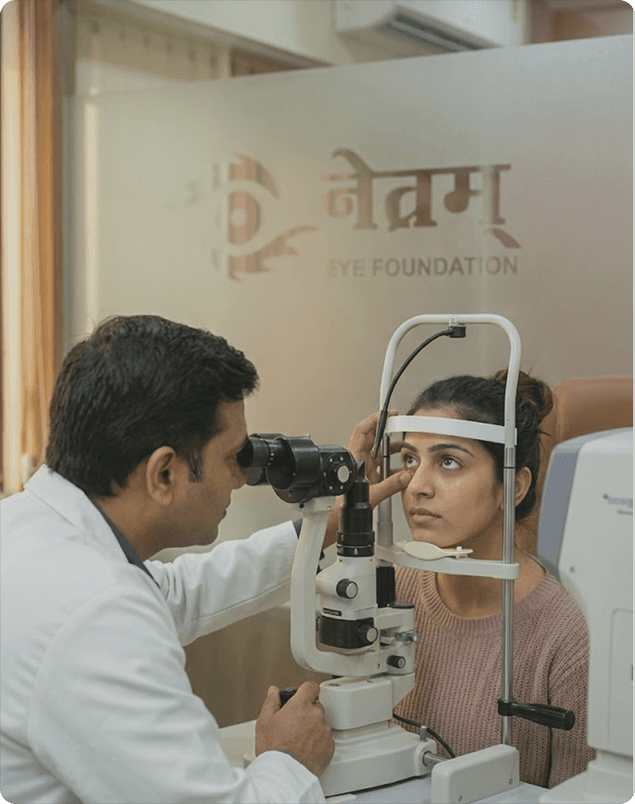
- Slit-lamp examination to evaluate the lens opacity, capsule integrity, and anterior segment structures
- Dilated retinal examination to assess the optic nerve and retina for associated posterior segment injuries
- Intraocular pressure measurement to detect secondary glaucoma
Diagnostic Timeframe
Initial Consultation20–30 minutes
Comprehensive Eye Examination30–45 minutes
Advanced Imaging (if required)20 minutes
Treatment PlanningSame day
■MANAGEMENT & TREATMENT
Treatment Options for Traumatic Cataract
Self Care & Lifestyle Adjustments
Immediate Eye Protection
Protecting the injured eye with a shield helps prevent additional mechanical damage during the initial healing phase following trauma.
Avoid Rubbing the Eye
Rubbing the injured eye may worsen internal damage, dislodge a subluxated lens, or introduce infection. The eye should be kept clean and untouched.
Use Prescribed Medications
Doctors may prescribe anti-inflammatory drops, antibiotic drops, or pressure-lowering medications to control inflammation, prevent infection, and manage intraocular pressure.
Wear Protective Eyewear
Using protective glasses or goggles during sports or hazardous occupational activities is the most effective preventive measure against future eye injuries.
Follow Medical Advice
Adhering to treatment instructions and attending all scheduled follow-up visits is essential for monitoring recovery and detecting complications early.
Regular Eye Checkups
Routine follow-up examinations help monitor cataract progression, intraocular pressure changes, and retinal health after traumatic eye injury.
Medical & Clinical Treatments
Anti-inflammatory and Antibiotic Therapy
Initial ManagementTopical corticosteroid and antibiotic eye drops are prescribed in the acute phase following eye trauma to control inflammation, prevent infection, and reduce the risk of complications such as synechia formation.
Intraocular Pressure Management
Complication ManagementTraumatic cataract may be associated with secondary glaucoma due to angle damage or lens-related mechanisms. Pressure-lowering medications are prescribed to protect optic nerve function during the observation and surgical planning phase.
Surgical Removal with IOL Implantation
Definitive TreatmentWhen lens clouding significantly affects vision, phacoemulsification or alternative extraction techniques are used to remove the damaged lens. A clear artificial intraocular lens is implanted to restore focusing ability, with lens power calculated based on ocular biometry.
Management of Associated Injuries
Combined ManagementAssociated injuries such as corneal lacerations, traumatic iritis, vitreous haemorrhage, retinal tears, or dislocated lens fragments require concurrent or staged surgical management in coordination with overall ocular trauma care.

■SURGICAL INTERVENTION
Cataract Surgery for Traumatic Cataract
When lens clouding from trauma significantly impairs vision, surgical removal of the damaged lens is necessary. Modern cataract surgery using phacoemulsification allows the opaque lens to be broken up with ultrasound energy and aspirated through a small incision. A clear artificial intraocular lens is then implanted in the capsular bag or in the sulcus, depending on the integrity of the lens capsule. In cases of penetrating trauma with disrupted capsule, more complex surgical planning may be required. The timing of surgery depends on the stability of the eye, the extent of associated injuries, and the risk of complications such as secondary glaucoma or endophthalmitis. In children, prompt surgical intervention is particularly important to prevent amblyopia.
At Netram Eye Foundation in Delhi, our experienced ophthalmic surgeons are skilled in managing traumatic cataracts and complex ocular trauma cases. Advanced microsurgical facilities and comprehensive pre-operative evaluation ensure that each patient receives personalised surgical planning that addresses both the cataract and any associated ocular injuries for optimal visual recovery.
■ALL YOUR QUESTIONS ANSWERED
Can an eye injury cause a cataract?
Yes, trauma to the eye can damage the crystalline lens and lead to cataract formation. This can occur with blunt trauma (such as a ball or fist strike), penetrating injuries (from sharp objects), chemical burns, or radiation exposure. The cataract may develop immediately or gradually after the injury.
Do traumatic cataracts appear immediately after injury?
Not always. Some traumatic cataracts — particularly those following penetrating injuries — appear almost immediately as the lens capsule is disrupted. Others, particularly those following blunt trauma, may develop gradually over weeks, months, or even years as damage to lens proteins progresses slowly.
Is surgery always required for traumatic cataract?
Surgery is recommended when the cataract significantly affects vision or interferes with daily activities. In some mild cases where the opacity is peripheral and central vision is preserved, conservative observation may be appropriate. Your ophthalmologist will advise on the optimal timing and approach.
Can traumatic cataract affect only one eye?
Yes, most traumatic cataracts affect only the injured eye. Because the injury is localised to one eye, the cataract typically develops unilaterally. However, both eyes should be examined to rule out sympathetic ophthalmia in penetrating injury cases.
Is vision fully recoverable after traumatic cataract surgery?
The degree of visual recovery depends on whether any other ocular structures — such as the retina, optic nerve, or cornea — were damaged by the trauma. In uncomplicated cases without other injuries, cataract surgery can provide excellent visual outcomes. Your surgeon will assess all factors during pre-operative evaluation.
How can traumatic cataracts be prevented?
The most effective prevention is wearing appropriate protective eyewear during sports, occupational activities, and any situation with a risk of eye injury. Polycarbonate lenses or safety goggles are recommended for sports such as cricket, squash, and racquet sports, and for industrial and construction work environments.
If you have experienced an eye injury with subsequent vision changes, early ophthalmic evaluation is essential for accurate assessment and treatment planning.
Schedule Consultation
REQUEST AN APPOINTMENT