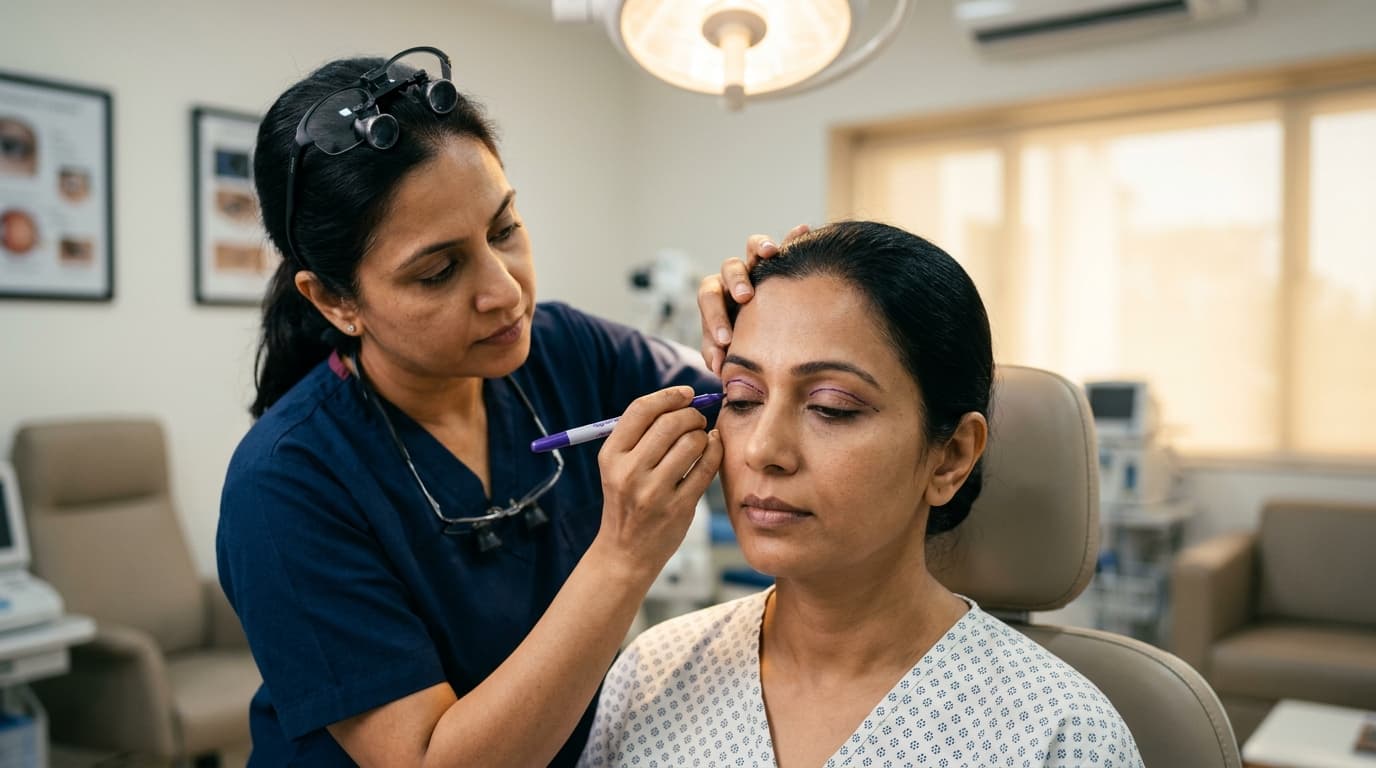
Oculoplasty & Orbital Surgery

Oculoplasty & Orbital Surgery

Restoring Function. Rebuilding Form. With Surgical Precision.
Eyelids. Lacrimal System. Orbit. Periocular Reconstruction — Under One Roof.

1 in 5

Adults Have Eyelid Laxity Issues

90%+

DCR Success Rate for Epiphora

95%+

Ptosis Surgery — Improved Eyelid Height

Day Care

Most Procedures — Home Same Day

WHY CHOOSE NETRAM

Advanced Oculoplasty Care Rooted in Precision and Trust

The Full Oculoplasty Spectrum — Under One Roof

From ptosis correction and dacryocystorhinostomy (DCR) for blocked tear ducts, to orbital fracture repair, eyelid tumour excision with reconstruction, enucleation, and ocular prosthesis fitting — we offer every subspecialty oculoplastic procedure at our Greater Kailash II centre.
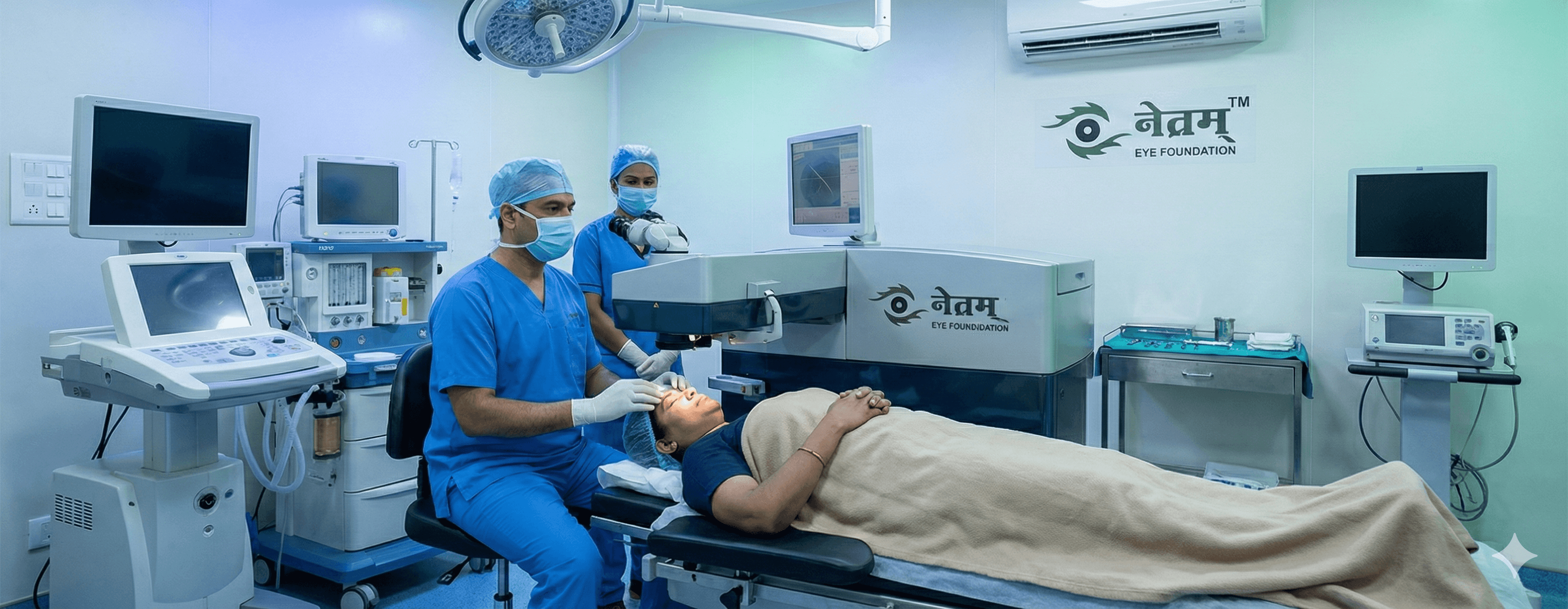
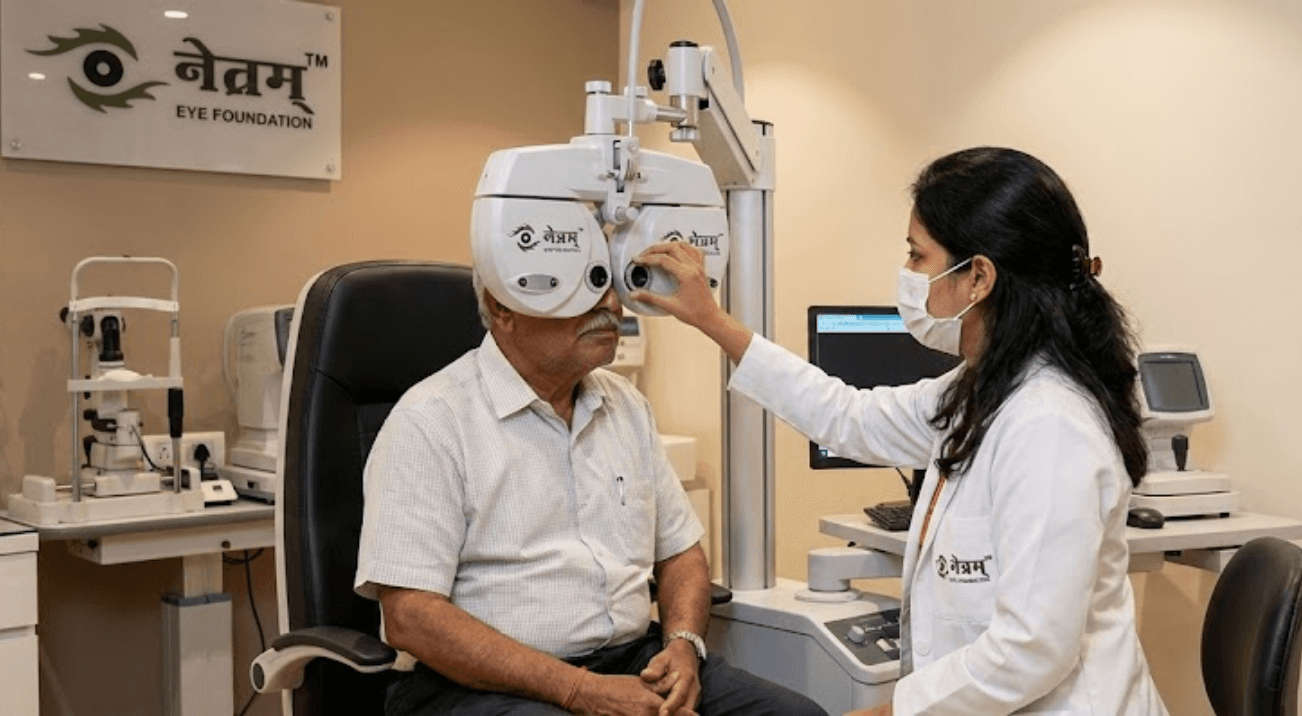
Functional First — Cosmetic When Indicated

At Netram, oculoplastic surgery begins with function. Vision protection, corneal preservation, tear drainage, and orbital integrity are always the primary goals. Cosmetic improvement — which follows naturally from good functional surgery — is a welcome outcome, never the primary driver of a surgical decision.

Ophthalmic Precision — Not Just Plastic Surgery

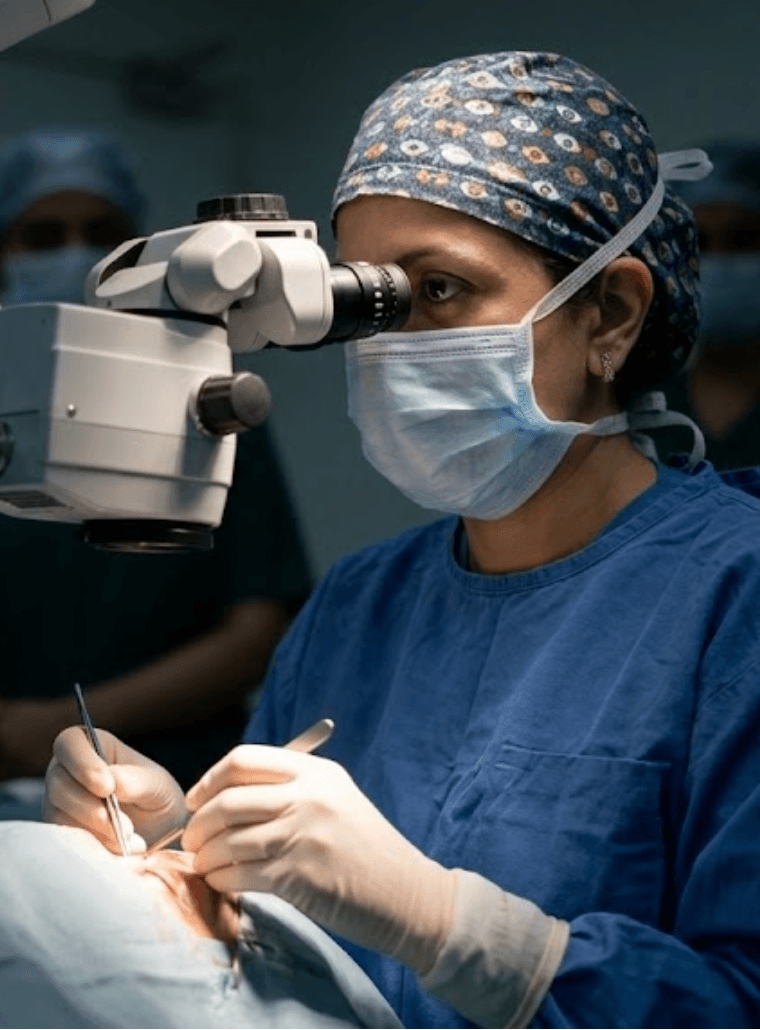
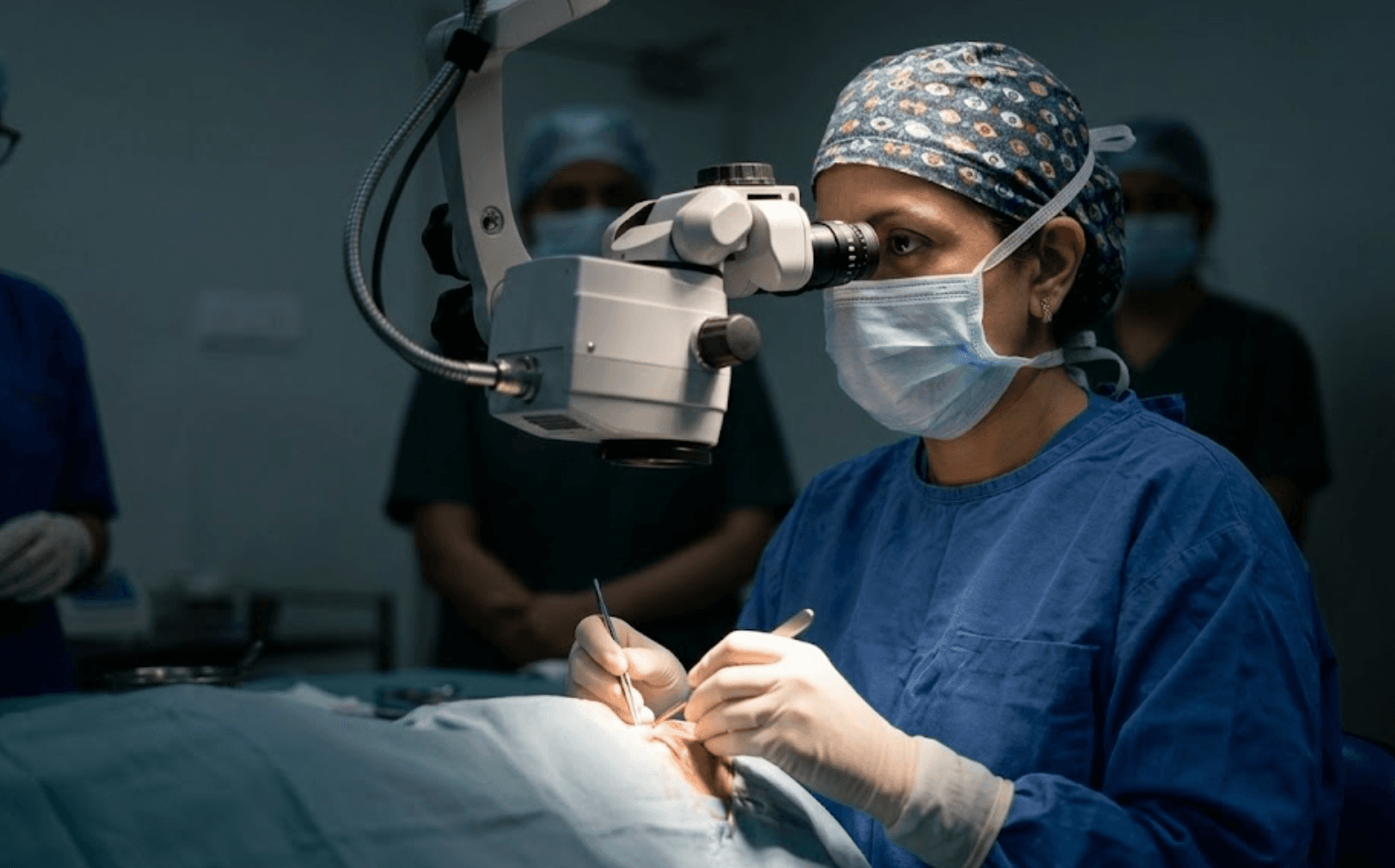
Oculoplastic surgery performed by a trained ophthalmologist carries a critical advantage — the surgeon understands the eye itself. The margin of error around the cornea, the lacrimal system, the optic nerve, and the extraocular muscles is measured in millimetres. Dr. Smriti Nagpal's ophthalmic training means every periocular surgical decision is made with the health of the underlying eye as the primary reference point.

Oncology-Safe Eyelid Tumour Management

For eyelid tumours — including basal cell carcinoma, sebaceous gland carcinoma, and squamous cell carcinoma — we work within an oncology-safe framework: complete excision with adequate margins confirmed with frozen section or paraffin histopathology, followed by staged reconstruction once clearance is confirmed.

Lacrimal Surgery — Endo-DCR & External DCR

For patients with chronic watering eyes due to blocked naso-lacrimal ducts, we offer both endoscopic DCR (Endo-DCR, scar-free, through the nose) and external DCR. The approach is chosen based on the anatomy of the obstruction and the patient's nasal anatomy — not a one-size-fits-all protocol.

Cashless Insurance & EMI Available

Most functional oculoplastic procedures — ptosis surgery, DCR for epiphora, orbital fracture repair, eyelid reconstruction — are covered under health insurance policies in India. We are empanelled with major TPAs and government schemes including CGHS and ECHS. EMI options ensure no patient delays sight-protecting surgery.

Book Your Oculoplasty Consultation

Book Your Oculoplasty Consultation

Comprehensive periocular evaluation by Dr. Smriti Nagpal. Surgery only when clearly indicated — and planned with precision when it is.

Book Consultation

TREATMENT OVERVIEW

Oculoplasty Conditions — A Complete Clinical Guide

What is Oculoplasty Surgery and Who Needs It?

Oculoplasty, formally known as ophthalmic plastic and reconstructive surgery, is the subspecialty of ophthalmology that deals with surgical conditions of the eyelids, tear drainage system (lacrimal apparatus), orbit (the bony eye socket), and surrounding periocular structures. It combines the precision of ophthalmic surgery with the reconstructive principles of plastic surgery.

What functional conditions does oculoplasty treat?

Ptosis (drooping upper eyelid) that narrows the visual field or causes amblyopia in children; entropion (inward-turning eyelid) causing corneal irritation and abrasion; ectropion (outward-turning eyelid) causing exposure, tearing, and corneal drying; epiphora (chronic watery eye) caused by a blocked naso-lacrimal duct; orbital fractures causing double vision or enophthalmos (sunken eye); eyelid tumours requiring excision and reconstruction; and enucleation or evisceration (eye removal) with prosthesis fitting after irreparable eye injury or end-stage disease.

What cosmetic conditions does oculoplasty treat?

Blepharoplasty for excess upper or lower eyelid skin causing a tired, heavy appearance; brow ptosis; periocular rejuvenation; and botulinum toxin or filler treatments for the periocular area.

When to see an oculoplastic surgeon

If you have a drooping eyelid that affects your vision or is present in a child; a persistently watering eye that does not resolve with drops; an eyelid that turns in or out; a lump or growth on or near the eyelid; double vision following trauma; or a sunken or hollow appearance to one eye — these are indications for a formal oculoplastic assessment, not a general eye test.

Common Oculoplasty Conditions We Treat

Ptosis — Drooping Upper Eyelid

Ptosis is a drooping of the upper eyelid — caused by weakness or disinsertion of the levator palpebrae superioris muscle, or by laxity of the Müller's muscle. It can be congenital, involutional, mechanical, or neurogenic. In children, congenital ptosis can occlude the visual axis and cause amblyopia — a vision emergency. In adults, significant ptosis narrows the visual field and creates a fatigued appearance.

Epiphora — Chronic Watering Eye (Blocked Tear Duct)

Persistent tearing caused by obstruction of the naso-lacrimal drainage system — anywhere from the puncta to the naso-lacrimal duct. Extremely common in middle-aged and elderly patients. Causes constant tearing, recurrent discharge, and dacryocystitis if untreated. Untreated epiphora significantly impairs quality of life and driving safety.

Entropion — Inward-Turning Eyelid

The eyelid margin turns inward — causing the eyelashes to rub against the cornea and conjunctiva. Involutional entropion of the lower lid is the most common form — caused by horizontal lid laxity and overriding of the orbital orbicularis muscle in ageing. Constant corneal abrasion from misdirected lashes causes progressive corneal scarring, pannus formation, and in severe or neglected cases corneal perforation.

Ectropion — Outward-Turning Eyelid

The lower eyelid turns outward — exposing the conjunctiva and preventing normal eyelid closure. The most common form is involutional ectropion. Exposure keratopathy — corneal drying and ulceration from incomplete eyelid closure — is the primary danger. Paralytic ectropion can be cornea-threatening within days if severe.

Thyroid Eye Disease (TED) — Orbital Surgery

Graves' orbitopathy causes inflammatory expansion of the extraocular muscles and orbital fat — leading to proptosis, periocular swelling, restrictive strabismus, and in severe cases compressive optic neuropathy threatening permanent vision loss. Surgery is performed in a strict sequence: orbital decompression first, then squint surgery, then eyelid surgery — always in the stable, inactive phase.

Orbital Fractures — Trauma Reconstruction

Blunt orbital trauma can fracture the thin orbital floor or medial orbital wall. Herniation of orbital fat and extraocular muscles into the fracture causes enophthalmos, diplopia, and infraorbital nerve anaesthesia. Untreated blowout fractures with muscle entrapment can cause permanent diplopia and a disfiguring enophthalmos.

Eyelid Tumours — Excision & Reconstruction

Eyelid tumours range from benign lesions to malignant tumours — basal cell carcinoma, sebaceous gland carcinoma, squamous cell carcinoma, and melanoma. Any eyelid lump that grows, ulcerates, bleeds, causes loss of lashes, or does not respond to conventional chalazion treatment warrants biopsy.

Blepharoplasty — Eyelid Rejuvenation

Upper and lower blepharoplasty removes or repositions excess eyelid skin, muscle, and fat that creates a tired, heavy, or aged periocular appearance. Upper blepharoplasty is frequently functional as well as cosmetic — excess dermatochalasis that hangs over the upper lid margin genuinely obstructs the superior visual field. Lower blepharoplasty addresses lower lid bags and loose skin.

Enucleation, Evisceration & Ocular Prosthesis

When an eye is irreparably damaged — from trauma, end-stage glaucoma, intraocular tumour, or painful blind eye — surgical removal and prosthetic rehabilitation restores appearance, comfort, and psychological well-being. Evisceration and enucleation are the two techniques, each with specific indications. An orbital implant is placed at surgery to maintain orbital volume.

OUR APPROACH

The Oculoplasty Pathway — From Diagnosis to Recovery

Oculoplastic surgery is not a single procedure — it is a family of surgical interventions united by their anatomical territory. The pathway from first consultation to discharge follows a structured approach regardless of the specific condition.

  1. 1

    Assessment & Diagnosis — Comprehensive periocular examination, photographic documentation of the condition, relevant systemic history (thyroid disease for TED, hypertension and anticoagulants before surgery, history of prior eyelid procedures). Imaging where indicated (CT orbit for fractures and orbital masses, MRI for soft tissue lesions).

  2. 2

    Medical Management Where Applicable — Not all oculoplastic conditions require immediate surgery. Mild ectropion may be managed with lubricating drops initially. Thyroid eye disease is operated only in the stable, inactive phase. Nasolacrimal duct obstruction in infants is initially managed with massage and probing — surgery deferred until the duct fails to open spontaneously.

  3. 3

    Surgical Planning — Surgical approach, anaesthesia type, and post-operative plan discussed in detail. Photographs taken for consent documentation. Preoperative investigations obtained. Insurance pre-authorisation arranged where applicable.

  4. 4

    Surgery & Reconstruction — Day-care procedure in most cases. Local anaesthesia with or without sedation for adults; general anaesthesia for children and complex cases. Most procedures completed within 30–90 minutes.

  5. 5

    Post-Operative Care & Review — Antibiotic and lubricating drops, wound care instructions, review at Day 1, Week 1, and Month 1. Suture removal where non-absorbable sutures are used. Histopathology results reviewed at the Week 1 visit for tumour excision cases.

Have a Periocular Concern? We Respond in Under 10 Minutes.

Have a Periocular Concern?We Respond in Under 10 Minutes.

Insurance Covered
EMI Available
Netram Eye Foundation profile

Netram Eye Foundation

TODAY

Hi! Welcome to Netram Eye Foundation.

10:00 AM

Drooping eyelid, watering eye, or eyelid lump? Book an assessment with Dr. Smriti Nagpal — our oculoplasty specialist.

10:00 AM

MEET YOUR SURGEON

Periocular Surgery — Precision Where It Matters Most

Dr. Smriti Nagpal

Dr. Smriti Nagpal

MS Ophthalmology | Fellowship in Oculoplasty, Orbital Surgery & Ocular Oncology

Achievements & Highlights

  • Expert in ptosis surgery, DCR, entropion and ectropion repair, blepharoplasty, orbital fracture repair, and eyelid tumour excision with reconstruction.

  • Special interest in oncology-safe eyelid tumour surgery and Thyroid Eye Disease management, including decompression and staged rehabilitation.

  • Experienced in enucleation, evisceration, orbital implant placement, and prosthetic rehabilitation with certified ocularists.

  • Known for meticulous technique, honest counselling, and natural-looking results, with formal pre-op dry eye and visual field assessment where needed.

19+

Years
Of Experience

2.5L+

Successful Procedures

7+

Areas of Surgical Expertise

Oculoplastic surgery is where ophthalmology meets reconstruction — and that boundary demands the highest level of precision. The eyelid is not just a cosmetic structure. It is the cornea's protector, the tear film's distributor, and the lacrimal system's gateway. When I operate on a ptosis, I am thinking about corneal exposure. When I repair an ectropion, I am thinking about the tear meniscus. When I excise a tumour, I am thinking about margin safety before I think about reconstruction.

PROCEDURE GUIDE

Oculoplasty Procedures — Complete Comparison

ProcedureConditionAnaesthesiaDay Care?Price at Netram
Ptosis Surgery (Levator Advancement)Drooping upper eyelid — moderate-to-good levator functionLocal ± sedationYesConsult our team
Ptosis Surgery (Frontalis Sling)Drooping upper eyelid — poor levator function, congenital ptosisGA (children) / Local (adults)YesConsult our team
External DCRBlocked naso-lacrimal duct, chronic epiphora, dacryocystitisGA or local ± sedationYesConsult our team
Endoscopic DCR (Endo-DCR)Blocked naso-lacrimal duct — no external scar approachGAYesConsult our team
Entropion RepairInward-turning lower eyelid, corneal abrasion from lashesLocal ± sedationYesConsult our team
Ectropion RepairOutward-turning lower eyelid, exposure keratopathy, tearingLocal ± sedationYesConsult our team
Eyelid Tumour Excision + ReconstructionBenign and malignant eyelid tumoursLocal ± sedation or GAMostly yesConsult our team
Upper BlepharoplastyExcess upper eyelid skin — functional or cosmeticLocal ± sedationYesConsult our team
Lower BlepharoplastyLower lid fat prolapse and skin excessLocal ± sedationYesConsult our team
Orbital Fracture RepairBlowout fracture — floor or medial wallGA or local ± sedationUsually yesConsult our team
Enucleation / EviscerationPainful blind eye, intraocular tumour, end-stage diseaseGA or local ± sedationUsually yesConsult our team
Orbital Decompression (TED)Thyroid eye disease — proptosis, optic neuropathyGAShort admissionConsult our team

THE TREATMENT JOURNEY

Your Oculoplasty Journey at Netram

From your first oculoplasty consultation to your 3-month post-operative review — every patient is guided through the periocular surgical journey with transparency, thoroughness, and the same clinical rigour applied to every subspecialty at Netram.

PRE-OP step 1 of 4

First VisitStep 1

Comprehensive Oculoplasty Evaluation

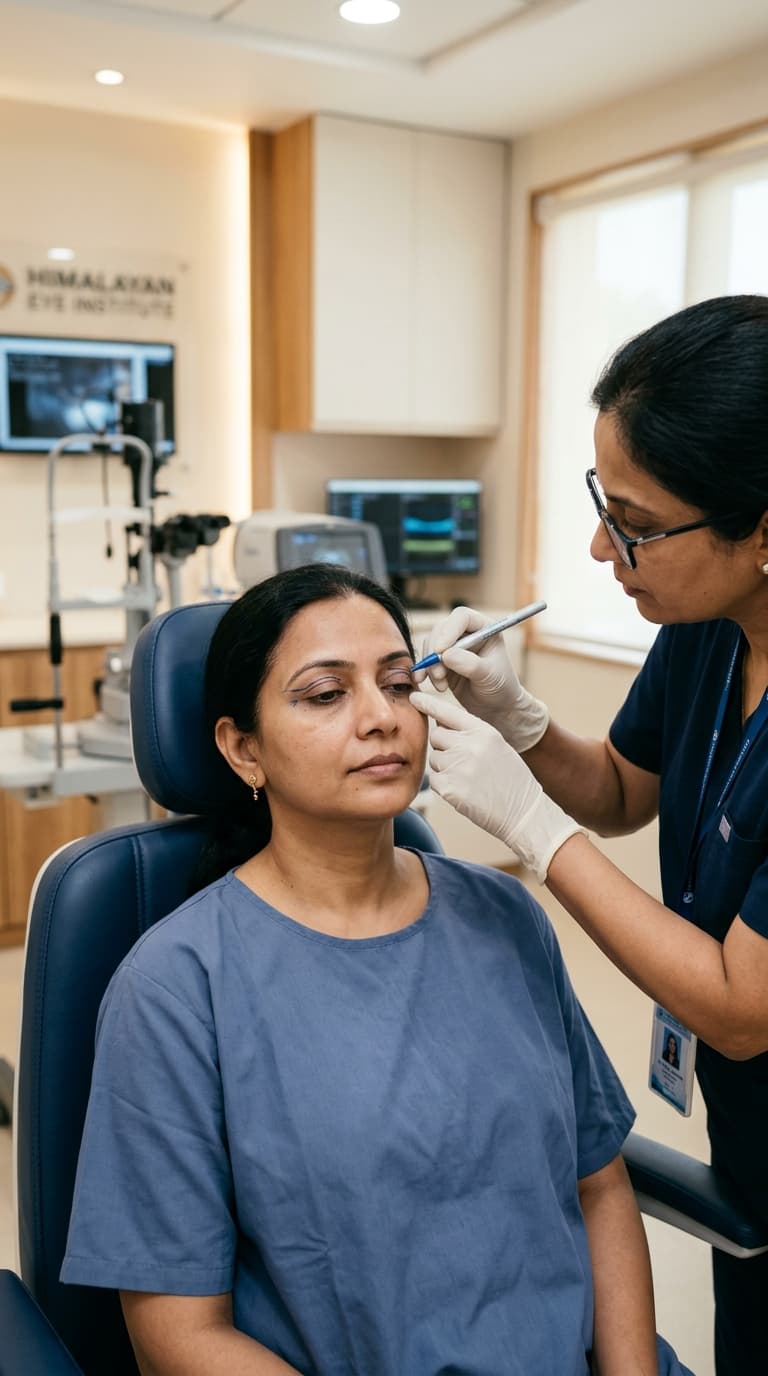
Complete periocular examination — eyelid position and function (marginal reflex distances MRD1 and MRD2, levator function, lagophthalmos, Bell's phenomenon), tear film and ocular surface assessment (Schirmer's test, TBUT), lacrimal syringing where epiphora is the complaint, ocular motility assessment, visual field where ptosis or blepharoplasty is being considered, and fundus examination where relevant. Photographic documentation of all conditions.

InvestigationsStep 2

Targeted Diagnostic Workup

CT orbit (orbital fractures, orbital masses, lacrimal sac stones — dacryoliths). MRI orbit/brain (soft tissue orbital tumours, neurogenic ptosis). Thyroid function tests and TRAb (thyroid eye disease). Histopathology from prior biopsy reviewed. Systemic workup — blood sugar, blood pressure, coagulation screen, ECG for patients above 50 or those on anticoagulants.

Surgical Planning Consent VisitStep 3

Pre-Operative Counselling

Surgical plan discussed in full — technique, incision placement, what to expect intra-operatively (if awake under local anaesthesia), recovery timeline, and realistic outcome expectations including the possibility of minor asymmetry or need for revision in ptosis surgery. Written consent obtained. Photographs taken for records. Insurance pre-authorisation submitted where applicable.

Day PriorStep 4

Preparation

Nil by mouth for 4–6 hours if sedation or GA planned. Continue systemic medications unless instructed (anticoagulants discussed with surgeon — bridging protocol where needed). No eye makeup or mascara. Arrange a companion for the journey home. Comfortable, loose clothing. Antibiotic drops may be started the day before.

PATIENT STORIES

Lives Changed at Netram Eye Foundation

Sonu Kashyap avatar

I’m very thankful to Dr. Anchal Gupta for my successful eye operation. She explained the full process clearly, built my confidence, and made me feel genuinely cared for throughout....

Sonu Kashyap

Eye Surgery Review

Prakash Chetri

Cataract Surgery

Shafiya Meditrip avatar

One month after LASIK, my vision is much clearer at 6/4, beyond expectations. Thank you to Dr. Anchal and the team for such a smooth and reassuring experience....

Shafiya Meditrip

LASIK Review

Ritika Kaushal

LASIK Surgery

Akshita Yadav avatar

I had ICL surgery at Netram and felt supported from consultation to follow-up. Dr. Anchal Gupta and Dr. Neha Sharma explained everything patiently and made the whole journey comfortable and reassuring....

Akshita Yadav

ICL Surgery Review

Subhankar

LASIK Surgery

ALL YOUR QUESTIONS ANSWERED

Frequently Asked Questions About Oculoplasty Surgery

What is oculoplasty surgery and how is it different from regular plastic surgery?

Oculoplasty is ophthalmic plastic and reconstructive surgery — performed by a trained ophthalmologist who has then subspecialised in periocular surgery. The critical difference from general plastic surgery is the ophthalmic foundation. An oculoplastic surgeon understands the corneal surface, the tear film, the lacrimal drainage anatomy, the orbital contents, and the relationship of the eyelid to the eye it protects. A general plastic surgeon may produce a cosmetically acceptable eyelid result but miss a dry eye problem that leads to corneal damage, or misjudge the margin of excision needed for a malignant eyelid tumour. At Netram, Dr. Smriti Nagpal's ophthalmic training means the eye is always at the centre of every periocular surgical decision.

My eyelid has been drooping for years — is it too late for surgery?

It is almost never too late for ptosis surgery in adults. The visual field restriction from a drooping lid can be corrected at any age — there is no window that closes in adulthood. In children, however, timing matters greatly — a ptosis that covers the visual axis causes amblyopia, and the critical period for visual development closes around age 7–8. A child with a visually significant ptosis should be assessed urgently. Adults who have lived with a drooping eyelid for years still benefit from surgery — better visual field, improved symmetry, and the significant quality-of-life effect of seeing more clearly without tilting the head back or raising the brows unconsciously all day.

What is DCR surgery and will there be a visible scar?

Dacryocystorhinostomy (DCR) creates a new drainage pathway for tears from the lacrimal sac directly into the nasal cavity, bypassing the blocked naso-lacrimal duct. External DCR uses a small incision at the inner corner of the eye — the scar is typically fine and fades well over 3–6 months; most patients find it barely visible. Endoscopic DCR (Endo-DCR) is performed entirely through the nose — no external incision at all, no scar on the face. The choice between approaches depends on the site of obstruction, nasal anatomy, and whether prior surgery has been performed in the area. Both approaches are offered at Netram and the recommendation is made based on your individual anatomy — not preference for one technique over the other.

I have a lump on my eyelid. Should I be worried?

Most eyelid lumps are benign — chalazion (blocked meibomian gland), seborrheic keratosis, papilloma, dermoid cyst. However, certain features should prompt urgent assessment: a lump that keeps returning after standard chalazion treatment; one that is growing progressively; any loss of eyelashes near the lump; ulceration or bleeding from the surface; or a pearly, irregular, or indurated (hard) texture. In India, sebaceous gland carcinoma is significantly more common than in Western populations and frequently masquerades as a recurrent chalazion. Any eyelid lump with the above features requires biopsy — not another incision and curettage. Dr. Smriti Nagpal assesses all suspicious eyelid lesions with a low threshold for biopsy.

Is blepharoplasty safe if I have dry eyes?

This is one of the most important questions in cosmetic eyelid surgery — and one that is not asked often enough. Blepharoplasty reduces the amount of eyelid skin available for closure. If too much skin is removed, the patient cannot fully close the eye, the cornea is exposed overnight, and the result is corneal abrasion, scarring, and chronic discomfort. In patients with pre-existing dry eye, even a correctly performed blepharoplasty can temporarily worsen symptoms. At Netram, every blepharoplasty patient undergoes a formal pre-operative dry eye assessment — Schirmer's test, tear breakup time, corneal sensitivity. Dry eye is treated and stabilised before surgery. Conservative skin excision is planned in at-risk patients. These steps do not eliminate the risk — but they reduce it substantially, and they ensure that every patient who proceeds to surgery has been properly counselled about the real risks involved.

How long does recovery take after oculoplasty surgery?

Recovery varies by procedure. For most eyelid procedures — ptosis, ectropion, entropion, and upper blepharoplasty — bruising and swelling peak at Days 2–3 and resolve significantly by 2 weeks. Most patients are socially presentable by 10–14 days. The final result — eyelid position, scar maturation, and symmetry — is assessed at 6–8 weeks. For DCR, nasal symptoms (mild bleeding, crusting) resolve within 2 weeks; tearing improvement is noticed within 4–6 weeks as the new passage epithelialises. For orbital fracture repair, swelling resolves over 3–4 weeks; diplopia improvement may take several months as the muscle recovers. For all procedures, we provide a written recovery guide and are available by phone or WhatsApp if anything concerns you during the recovery period.

Is oculoplasty surgery covered under health insurance in India?

All functional oculoplastic procedures are covered under most health insurance policies in India — including CGHS, ECHS, and major TPA-empanelled policies. This includes ptosis surgery (especially with visual field documentation of field impairment), DCR for epiphora, entropion and ectropion repair, eyelid tumour excision and reconstruction, orbital fracture repair, enucleation and evisceration, and orbital decompression for thyroid eye disease. Purely cosmetic blepharoplasty (without functional visual field documentation) is generally not covered. At Netram, our team assists with pre-authorisation, cashless claim processing, and histopathology documentation for all insurance-eligible procedures. We also provide detailed surgical justification letters where needed for reimbursement.

I lost an eye years ago and was never fitted with a prosthesis — is it too late?

It is rarely too late, though the socket condition affects what is achievable. Patients who have had an enucleation or evisceration years ago — sometimes decades ago — can still be fitted with a custom ocular prosthesis. The main considerations are socket volume (whether an orbital implant is in place and whether it provides adequate volume for a well-fitting shell) and socket health (conjunctival scarring, discharge, or contracture that may need surgical addressing before fitting). At Netram, Dr. Smriti Nagpal assesses the socket and discusses whether direct prosthesis fitting is possible or whether socket revision surgery is needed first. A properly fitted, well-maintained prosthesis can be remarkably lifelike — and the psychological benefit to patients who have lived without one for years is profound.

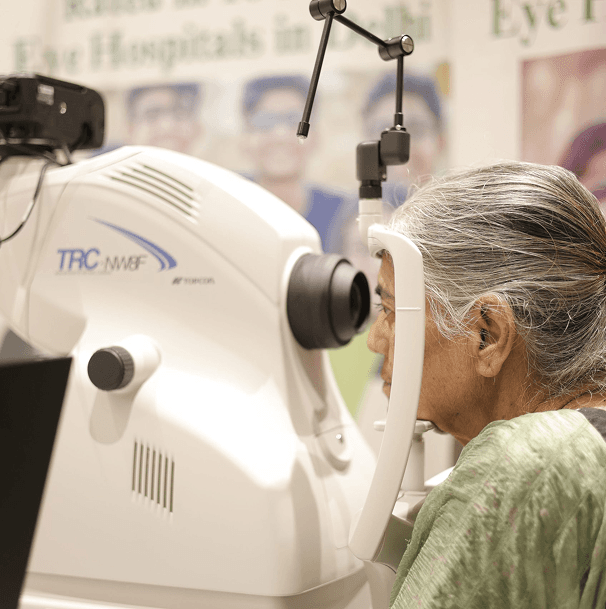
Patient receiving an eye examination

BOOK YOUR CONSULTATION

Precision Periocular Surgery. Honest Advice. Insurance Covered.