Blurred or Cloudy Vision
One of the earliest signs is blurred or hazy vision. Objects may appear foggy or less sharp, as though looking through a misted window, particularly when reading or focusing on distant objects.

■UNDERSTANDING THE CONDITION
Age-related cataract refers to the gradual loss of clarity in the eye's natural lens due to aging-related biochemical changes. The lens normally remains transparent, allowing light to pass through and focus precisely on the retina. When cataract develops, the lens becomes cloudy and scatters incoming light, resulting in blurred or distorted vision.
In the early stages, cataracts may cause subtle vision changes that are often mistaken for normal aging or eye strain. Over time, however, the clouding becomes more pronounced and begins affecting daily visual activities such as reading, driving at night, or recognising faces. Many patients at an eye clinic in Delhi seek evaluation only when symptoms begin to interfere with routine tasks.
Unlike several other eye diseases that damage the retina or optic nerve, cataract primarily affects the lens. Because the cloudy lens can be surgically replaced with an artificial intraocular lens, vision can usually be restored successfully through cataract surgery — making it one of the most treatable conditions in ophthalmology.
The natural lens, located behind the iris and pupil, focuses light onto the retina so that images appear clear. When this lens becomes cloudy due to cataract formation, it prevents light from passing properly through the eye, resulting in blurred or dim vision as commonly assessed at an eye hospital in Delhi.
Age-related cataract is a progressive but highly treatable eye condition. Key characteristics include:
■CLINICAL PRESENTATION
Symptoms of age-related cataract usually develop gradually and become more noticeable as lens clouding progresses:
Blurred or Cloudy Vision
One of the earliest signs is blurred or hazy vision. Objects may appear foggy or less sharp, as though looking through a misted window, particularly when reading or focusing on distant objects.
Increased Sensitivity to Light
Sunlight, headlights, or strong indoor lighting may produce glare or visual disturbance. The cloudy lens scatters incoming light, making it harder for the eye to focus clearly.
Difficulty Driving at Night
Headlights from oncoming vehicles may appear excessively bright and create halos or starburst patterns. These visual disturbances reduce contrast sensitivity and make distance judgement difficult.
Frequent Changes in Glasses Prescription
Cataract formation can alter the focusing power of the lens, causing fluctuating vision and necessitating more frequent changes to spectacle prescriptions.
Faded or Yellowish Colours
Colours may appear dull or slightly yellowish as cataracts progress, as the cloudy lens filters and scatters light before it reaches the retina, reducing colour contrast.
Double Vision in One Eye
Some individuals experience double or overlapping images in a single eye when irregular lens clouding causes light rays to scatter unevenly within the eye.
These symptoms indicate significant cataract progression or additional eye pathology and require prompt evaluation:
Significant Vision Loss
Urgent assessmentAdvanced cataracts may lead to noticeable vision loss that interferes with everyday activities such as reading, recognising faces, or performing work tasks.
Severe Glare While Driving
Within 1 weekIf headlights or bright lights cause extreme glare that interferes with safe driving, cataract severity should be evaluated by an ophthalmologist.
Sudden Vision Changes
Immediate evaluationAlthough cataracts usually progress slowly, sudden deterioration of vision should be examined promptly as it may indicate an additional eye condition.
Difficulty Seeing in Dim Light
Within 1 weekAdvanced cataracts reduce light reaching the retina, making it difficult to see clearly in low-light environments and increasing fall risk.
Eye Pain or Redness
Immediate evaluationCataracts themselves are painless. If blurred vision is accompanied by pain, redness, or discomfort, another eye condition may be present and requires immediate attention.

Ask yourself these questions to determine if medical evaluation is needed:
If you answered "yes" to any of these questions, schedule a comprehensive eye examination with an eye specialist in Delhi to assess for cataract.
■TRIGGERS & ROOT CAUSES
While aging remains the primary cause, several lifestyle and environmental factors may accelerate cataract formation:
Ultraviolet (UV) Exposure
HighLong-term exposure to ultraviolet radiation from sunlight damages lens proteins and accelerates aging of the natural lens. People who spend extended hours outdoors without protective sunglasses may develop cataracts earlier.
Smoking
HighSmoking significantly increases oxidative stress and reduces protective antioxidants that help maintain lens clarity. Chemicals in tobacco smoke accelerate breakdown of lens proteins and increase cataract risk.
Poor Nutrition
ModerateA diet lacking antioxidant-rich nutrients such as vitamin C, vitamin E, lutein, and zeaxanthin may weaken the eye's natural defence against oxidative damage and increase susceptibility to cataract formation.
Excessive Alcohol Consumption
ModerateRegular alcohol intake increases oxidative stress and disrupts metabolic processes, which can contribute to structural changes in the lens protein.
Diabetes and Metabolic Disorders
HighElevated blood sugar levels affect the metabolism of lens fibres, causing swelling and structural damage that may accelerate cataract development significantly.
Aging Process
HighThe most significant risk factor for cataract is aging. Over time, lens proteins naturally deteriorate and lose transparency, resulting in progressive clouding that is unavoidable without surgical intervention.
Several ocular and environmental factors can accelerate or contribute to lens clouding:
Previous Eye Injury
Trauma to the eye can disrupt the structure of the lens and lead to cataract formation.
Chronic Eye Inflammation
Persistent inflammatory eye conditions may affect lens transparency and accelerate cataract development.
High Myopia
Individuals with severe nearsightedness may experience earlier degenerative changes within the eye including earlier cataract onset.
Long-Term Steroid Use
Prolonged use of corticosteroid medications — whether topical, inhaled, or systemic — may increase the likelihood of posterior subcapsular cataract development.
Environmental Pollutants
Exposure to smoke, chemical irritants, or pollutants may increase oxidative stress affecting lens health and accelerating protein changes.
Certain systemic conditions can significantly increase the risk or accelerate the development of age-related cataract:
Diabetes Mellitus
Poorly controlled blood sugar alters lens fibre metabolism and causes swelling and structural damage, leading to earlier cataract onset.
Hypertension
Chronic high blood pressure may contribute to oxidative vascular stress that indirectly affects lens health.
Atopic Dermatitis
Severe chronic skin allergies and associated steroid use increase the risk of anterior or posterior subcapsular cataracts.
Autoimmune Conditions
Conditions requiring long-term systemic steroid treatment significantly elevate cataract risk due to prolonged corticosteroid exposure.
■CLINICAL EVALUATION
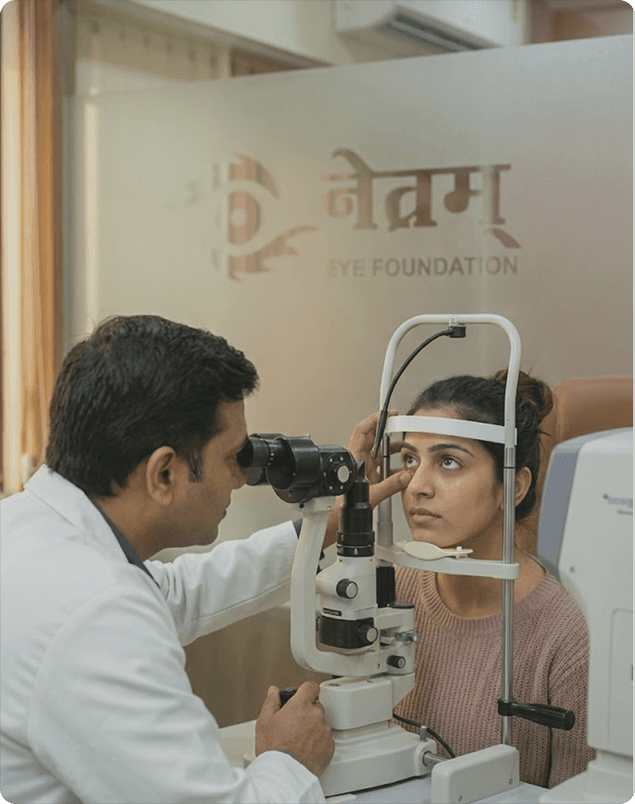
Cataracts are diagnosed through a comprehensive eye examination performed by an ophthalmologist to evaluate lens clarity and visual function:
■MANAGEMENT & TREATMENT
Update Spectacle Prescription
Updating your glasses prescription can temporarily improve vision in early cataract stages and maintain daily visual function.
Use Anti-Glare Sunglasses
Polarised sunglasses with UV protection reduce glare, improve visual comfort outdoors, and help slow UV-related lens damage.
Improve Lighting Conditions
Using brighter lighting while reading or performing detailed tasks helps compensate for reduced light transmission through the cloudy lens.
Reduce Visual Strain
Taking regular breaks from prolonged visual tasks such as reading or screen use helps maintain visual comfort and reduces fatigue.
Maintain Healthy Nutrition
A balanced diet rich in fruits, vegetables, and antioxidants — particularly vitamin C, vitamin E, lutein, and zeaxanthin — supports long-term eye health.
Schedule Regular Eye Exams
Routine eye examinations help monitor cataract progression and determine the appropriate timing for surgical treatment.
Phacoemulsification Cataract Surgery
Definitive treatmentUltrasound energy breaks up the cloudy lens, which is then aspirated through a tiny incision. An intraocular lens (IOL) is implanted to restore clear vision.
Premium Intraocular Lens Implantation
For spectacle independenceMultifocal, trifocal, or toric IOLs can correct presbyopia, astigmatism, or both during cataract surgery, reducing dependence on glasses post-operatively.
Prescription Glasses or Contact Lenses
For early or mild cataractsUpdated optical prescriptions can compensate for mild lens changes and maintain functional vision until surgery is required.
Anti-Glare and Magnifying Aids
Conservative managementOptical aids such as anti-glare lenses, magnifiers, and enhanced lighting improve daily visual function in early cataract stages.

■SURGICAL INTERVENTION
Once cataracts significantly affect vision and daily activities, surgery becomes the most effective and permanent treatment. Modern cataract surgery using phacoemulsification is one of the safest and most commonly performed procedures worldwide, with 95–98% of patients experiencing significant improvement in vision after surgery. The procedure typically takes 5–10 minutes per eye, and patients usually return home the same day.
Surgery is advised when vision interferes with daily activities, night driving becomes unsafe, or glasses prescription changes frequently. At Netram Eye Foundation in Delhi, cataract surgery is performed using advanced microsurgical technology with minimal incision techniques, premium IOL options, and a personalised approach to ensure the best possible visual outcome for each patient.
■ALL YOUR QUESTIONS ANSWERED
No. Cataracts cannot be reversed naturally or with medications. Once the lens protein changes that cause clouding have occurred, they are irreversible. Conservative measures such as updated glasses or anti-glare lenses may temporarily improve functional vision in mild cases, but they do not halt or reverse the cataract. Surgery remains the only definitive treatment. However, not every cataract requires immediate surgery — the decision is based on how much the cataract affects your daily life and visual function.
Cataract surgery is performed under topical or local anaesthesia, making the procedure essentially painless. Most patients experience only mild pressure sensations during the procedure. Post-operatively, mild discomfort or foreign body sensation may occur for a day or two, which is easily managed with prescribed eye drops. The vast majority of patients report the experience as straightforward and far less daunting than they had anticipated.
Modern phacoemulsification cataract surgery typically takes approximately 5–10 minutes per eye. The pre-operative preparation and post-operative observation may extend the total time spent at the clinic to a few hours. Most patients are discharged the same day and can return to light activities within 24–48 hours, with full visual recovery usually complete within 4–6 weeks.
This depends on the type of intraocular lens (IOL) implanted during surgery. Standard monofocal IOLs correct distance vision, and most patients still require reading glasses. Premium multifocal or trifocal IOLs can correct both near and distance vision simultaneously, significantly reducing or eliminating the need for glasses. Toric IOLs address pre-existing astigmatism. Your surgeon will discuss the most appropriate lens option based on your visual needs and eye anatomy.
Surgery is recommended when the cataract significantly interferes with daily activities such as reading, driving, or working — rather than at a specific visual acuity threshold. There is no benefit to waiting unnecessarily, as very advanced cataracts can become harder to remove and carry slightly higher surgical risk. Your ophthalmologist will advise you on the optimal timing based on cataract density, visual function, and any other associated eye conditions.
Yes. Cataract surgery is considered one of the safest and most successful procedures in modern medicine, with a complication rate of less than 1–2% in experienced hands. Serious complications such as retinal detachment or infection are rare. The overwhelming majority of patients experience excellent visual outcomes. Modern microsurgical techniques, premium IOL technology, and meticulous pre-operative planning have made cataract surgery highly predictable and effective.
Still have questions? Our team is here to help.
Schedule Consultation
REQUEST AN APPOINTMENT