Many patients notice a sudden increase in floaters — dark specks, threads, webs, or cobweb-like shapes moving across the visual field. These floaters are caused by blood cells suspended within the vitreous gel.

Vitreous Haemorrhage
Location
Vitreous Cavity
Most Common Cause
Diabetic Retinopathy and Retinal Tears
Treatment
Observation, Laser, or Vitrectomy
■UNDERSTANDING THE CONDITION
What Is Vitreous Haemorrhage?
Vitreous haemorrhage refers to bleeding within the vitreous cavity of the eye. The vitreous is a transparent gel that fills the space between the crystalline lens and the retina, helping maintain the eye's shape and allowing light to pass freely to the retina. When blood enters this normally clear medium, it interferes with the transmission of light and can cause sudden, dramatic changes in vision.
The bleeding usually originates from damaged retinal blood vessels or abnormal new blood vessels (neovascularisation) that form in response to retinal disease. Common causes include diabetic retinopathy, retinal tears, retinal vein occlusion, and posterior vitreous detachment with avulsion of a retinal vessel. The severity of vision loss depends on the volume of bleeding — a small haemorrhage may cause only mild floaters, while a dense bleed can render vision nearly absent.
Because vitreous haemorrhage is frequently a symptom of serious underlying retinal pathology, prompt evaluation by an expert at an experienced eye hospital in Delhi is essential. Identifying and treating the underlying cause is critical to preventing retinal detachment, recurrent bleeding, or permanent visual impairment.
Part of Eye Affected
Nature of Condition
■CLINICAL PRESENTATION
Symptoms & Early Warning Signs
Typical Symptoms
Many patients notice a sudden increase in floaters — dark specks, threads, webs, or cobweb-like shapes moving across the visual field. These floaters are caused by blood cells suspended within the vitreous gel.
Vision becomes blurred or hazy when blood blocks light from reaching the retina clearly. The degree of blurring depends on the volume and density of blood within the vitreous cavity.
Some individuals notice dark shadows or cloudy patches that move within their visual field as blood shifts within the vitreous cavity.
Objects may appear less clear or partially obscured by floating spots or a diffuse reddish haze when bleeding is significant.
In mild cases, vision may slowly improve over days to weeks as blood settles to the dependent portion of the vitreous or is gradually absorbed.
Visual tasks such as reading, driving, or recognising faces may become difficult when the vitreous cavity is partially or fully filled with blood.
Red Flag Symptoms
Immediate evaluation
A sudden loss of vision may indicate significant bleeding within the vitreous cavity or associated retinal detachment and requires immediate medical evaluation.
Same day evaluation
A sudden shower of many floaters or a dense clouding of vision may indicate active and significant bleeding inside the eye.
Same day evaluation
A shadow or curtain-like obstruction across part of the visual field may indicate an associated retinal detachment requiring urgent surgical intervention.
Urgent assessment
Gradually worsening vision warrants urgent evaluation to identify an underlying retinal cause and prevent permanent damage.
Within 1 week
Blurred vision that does not improve may indicate ongoing bleeding or underlying retinal disease requiring specialist assessment.
Within 1 week
Flashes of light may occur if the vitreous is pulling or tearing the retina — a warning sign that should not be ignored.

- Have you noticed a sudden large increase in floaters or new dark spots in your vision?
- Has your vision become blurred or hazy without a clear cause?
- Do you see a dark shadow or curtain obscuring part of your visual field?
- Have you experienced flashes of light in one or both eyes recently?
- Do you have a known diagnosis of diabetic retinopathy, retinal vein occlusion, or have you had a recent eye injury?
If you answered yes to any of the above, urgent evaluation by an eye specialist in Delhi is recommended to identify the cause and prevent serious complications.
■TRIGGERS & ROOT CAUSES
High
Uncontrolled blood sugar damages retinal blood vessels and promotes the growth of fragile new vessels (neovascularisation) in diabetic retinopathy. These vessels rupture easily, causing bleeding into the vitreous cavity.
High
Ignoring symptoms such as floaters or flashes may delay diagnosis of retinal tears or diabetic eye disease, increasing the risk of vitreous bleeding.
High
Direct injury to the eye during accidents, sports activities, or physical altercations can damage retinal vessels and cause acute vitreous haemorrhage.
Moderate
Without regular dilated retinal examinations, underlying conditions such as diabetic retinopathy or retinal holes may remain undetected until a haemorrhage occurs.
Moderate
Limited awareness of the significance of retinal symptoms such as sudden floaters often results in delayed medical consultation.
High
Waiting too long after sudden visual changes may allow complications such as retinal detachment to develop alongside vitreous haemorrhage.
Ocular & Environmental Factors
Abnormal new blood vessels (neovascularisation) formed in response to ischaemia in diabetic eye disease are fragile and prone to rupture, making diabetic retinopathy the most common cause of vitreous haemorrhage.
Retinal tears may damage adjacent blood vessels and cause bleeding into the vitreous cavity. Vitreous haemorrhage accompanying retinal detachment is a surgical emergency.
Blocked retinal veins may lead to retinal neovascularisation and subsequent vitreous bleeding as abnormal vessels proliferate.
Separation of the vitreous gel from the retina in older patients may occasionally avulse a small retinal blood vessel, causing a haemorrhage.
Blunt or penetrating injury to the eye can directly damage retinal blood vessels, causing immediate haemorrhage into the vitreous cavity.
Abnormal new blood vessels that form in response to retinal ischaemia in any cause are fragile and prone to spontaneous rupture.
Underlying Medical Conditions
Diabetes is one of the most common systemic causes of vitreous haemorrhage through the mechanism of proliferative diabetic retinopathy.
High blood pressure may weaken retinal blood vessel walls and increase the risk of vessel rupture and intraocular bleeding.
Conditions affecting retinal circulation — including retinal vein occlusion and sickle cell retinopathy — may promote neovascularisation and bleeding.
Systemic coagulopathies or anticoagulant medications may increase the risk and severity of intraocular bleeding.
Conditions such as uveitis may damage retinal blood vessels and increase the risk of vitreous haemorrhage.
Rarely, intraocular tumours such as retinoblastoma (in children) or choroidal melanoma may cause vitreous haemorrhage due to abnormal vessel growth.
■CLINICAL EVALUATION
How Is Vitreous Haemorrhage Diagnosed?
Initial Consultation
- Detailed visual and systemic history including diabetes status, recent injury, and prior eye conditions
- Dilated retinal examination to assess the extent of haemorrhage and visualise retinal structures
- Optical coherence tomography (OCT) to evaluate the macula and posterior vitreous interface
- B-scan ultrasound imaging when the retina cannot be visualised through the dense haemorrhage, to rule out retinal detachment
- Retinal photography or fluorescein angiography (when possible) to assess retinal circulation and neovascularisation
Diagnostic Timeframe
Initial Consultation20–30 minutes
Comprehensive Retinal Examination30–45 minutes
Advanced Imaging (if required)20 minutes
Treatment PlanningSame day

■MANAGEMENT & TREATMENT
Treatment Options for Vitreous Haemorrhage
Self Care & Lifestyle Adjustments
Control Blood Sugar Levels
Proper diabetes management through diet, medication, and monitoring helps reduce retinal vessel damage and the risk of recurrent vitreous bleeding.
Monitor Blood Pressure
Maintaining healthy blood pressure through lifestyle measures and medication helps protect retinal blood vessel integrity.
Avoid Eye Injury
Wearing appropriate protective eyewear during high-risk sports, industrial activities, and contact sports reduces the risk of traumatic vitreous haemorrhage.
Attend Regular Eye Exams
Routine dilated retinal monitoring — particularly for patients with diabetes — enables early detection and treatment of retinal neovascularisation before bleeding occurs.
Seek Early Treatment
Prompt treatment of conditions such as diabetic retinopathy, retinal tears, and retinal vein occlusion significantly reduces the risk of vitreous haemorrhage.
Follow Medical Advice
Patients should follow prescribed treatment plans, attend all follow-up appointments, and report any sudden changes in vision immediately.
Medical & Clinical Treatments
Observation and Conservative Management
Initial ApproachIn mild cases where the underlying cause is identified and benign (such as posterior vitreous detachment without retinal tear), careful observation with head elevation to allow blood to settle may be appropriate while the haemorrhage clears spontaneously.
Anti-VEGF Intravitreal Injections
Medical TreatmentAnti-VEGF agents may be injected into the vitreous cavity to suppress abnormal neovascularisation, reduce the risk of further bleeding, and treat underlying conditions such as proliferative diabetic retinopathy or retinal vein occlusion.
Pan-Retinal Photocoagulation (PRP) Laser
Laser TreatmentOnce the haemorrhage clears sufficiently to allow laser delivery, pan-retinal photocoagulation laser treatment may be applied to ablate ischaemic retinal areas and regress neovascularisation, reducing the risk of future bleeding.
Vitrectomy Surgery
Surgical OptionWhen conservative measures fail or when there is associated retinal detachment, vitrectomy is performed to surgically remove the blood from the vitreous cavity and repair underlying retinal pathology.

■SURGICAL INTERVENTION
Vitrectomy Surgery for Vitreous Haemorrhage
Pars plana vitrectomy is the primary surgical intervention for vitreous haemorrhage that does not clear spontaneously or requires treatment of underlying retinal pathology. During vitrectomy, small instruments are inserted through tiny incisions in the sclera to remove the blood-filled vitreous gel and replace it with clear saline or gas. Any underlying retinal tears, traction, or neovascularisation can be simultaneously treated during the same operation using laser photocoagulation, membrane peeling, or tamponade. In cases of associated traction retinal detachment from proliferative diabetic retinopathy, more complex surgery including membrane dissection and silicone oil tamponade may be required. The timing of surgery depends on the presence of retinal detachment, severity of vision loss, and the patient's overall ocular and systemic health.
At Netram Eye Foundation in Delhi, our vitreoretinal surgeons perform advanced microsurgical vitrectomy procedures using the latest small-gauge instrumentation, providing safe and effective treatment for vitreous haemorrhage and its underlying causes. Comprehensive post-operative care, including systemic disease optimisation and regular retinal monitoring, is integral to achieving the best possible long-term visual outcomes.
■ALL YOUR QUESTIONS ANSWERED
What causes vitreous haemorrhage?
Vitreous haemorrhage occurs when blood leaks into the vitreous cavity from damaged or abnormal retinal blood vessels. The most common causes are diabetic retinopathy (particularly proliferative diabetic retinopathy), retinal tears or detachment, posterior vitreous detachment, and retinal vein occlusion. Trauma and other retinal vascular disorders are also recognised causes.
Is vitreous haemorrhage serious?
Yes, vitreous haemorrhage can significantly affect vision and is often a sign of serious underlying retinal pathology. Prompt evaluation is essential to identify the cause, as conditions such as retinal detachment require urgent treatment. Without appropriate care, permanent vision loss may result.
Can vitreous haemorrhage heal on its own?
Mild vitreous haemorrhage may clear gradually over weeks to months as the blood is absorbed naturally. However, even if the haemorrhage clears, the underlying cause must be identified and treated to prevent recurrence and further complications. Dense or recurrent haemorrhages typically require surgical intervention.
Is surgery always required for vitreous haemorrhage?
Not always. Some patients with mild haemorrhage and an identified benign cause (such as a posterior vitreous detachment without retinal tear) may be managed conservatively with monitoring. Surgery is needed when the haemorrhage does not clear within a reasonable timeframe, when retinal detachment is present, or when the underlying condition requires surgical treatment.
How long does vitreous haemorrhage take to clear?
Minor haemorrhages may begin to improve within days and fully clear in weeks. More dense bleeds may take several months to absorb. Factors such as the patient's age, the underlying cause, and the volume of blood influence the clearance rate. If vision does not improve within 2–3 months, vitrectomy surgery is typically considered.
Who is at higher risk of vitreous haemorrhage?
Individuals with poorly controlled diabetes, proliferative diabetic retinopathy, retinal vein occlusion, high myopia (which predisposes to retinal tears), previous vitreous haemorrhage, or a history of significant eye injury are at higher risk. Regular dilated retinal examinations for at-risk patients are the most effective preventive strategy.
If you have experienced sudden floaters, blurred vision, or dark shadows in your vision, urgent retinal evaluation is essential.
Schedule Consultation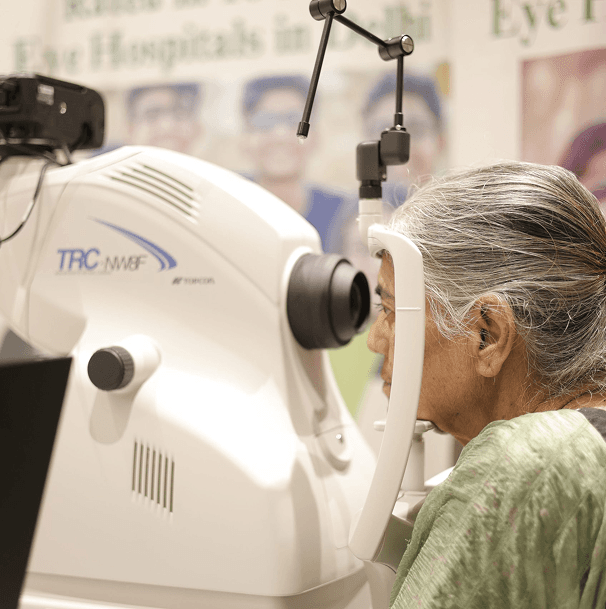
REQUEST AN APPOINTMENT