Severe Eye Pain
Corneal ulcers frequently cause significant eye pain because the cornea contains many sensitive nerve endings. The pain may feel sharp, burning, or persistent and often worsens with blinking.

■UNDERSTANDING THE CONDITION
A corneal ulcer is a localised infection or inflammatory defect in the corneal tissue that results in an open sore on the corneal surface. The infection usually occurs when bacteria, fungi, viruses, or parasites enter the cornea through small injuries, abrasions, or weakened areas of the corneal surface.
The cornea normally acts as a protective barrier that prevents harmful microorganisms from entering the eye. However, when the corneal surface becomes damaged or its defences are compromised — for example by contact lens overuse, corneal trauma, or dry eye disease — microorganisms can invade the tissue and cause infection. As the infection progresses, the cornea may become inflamed, cloudy, or swollen, as regularly assessed at a corneal clinic in Delhi.
Without prompt treatment, a corneal ulcer can spread deeper into the cornea, potentially leading to corneal perforation, permanent scarring, and significant or irreversible vision loss. Early diagnosis and targeted antimicrobial treatment are critical to containing the infection and preserving the maximum amount of corneal clarity.
Corneal ulcers affect the cornea — the clear dome-shaped structure that covers the front of the eye. The cornea focuses incoming light and acts as the eye's first protective barrier against infections and environmental irritants. When this structure is disrupted by an ulcer, both its optical function and protective role are compromised.
Corneal ulcer is an infectious or inflammatory corneal disorder that can rapidly threaten vision. Key characteristics include:
■CLINICAL PRESENTATION
Symptoms of corneal ulcers often appear suddenly and may worsen rapidly if the infection spreads:
Severe Eye Pain
Corneal ulcers frequently cause significant eye pain because the cornea contains many sensitive nerve endings. The pain may feel sharp, burning, or persistent and often worsens with blinking.
Redness of the Eye
The affected eye may appear markedly red due to inflammation of surrounding blood vessels, which typically becomes more pronounced as the infection progresses.
Blurred Vision
Vision may become blurry when the cornea becomes inflamed or cloudy. The degree of visual disturbance depends on the size and location of the ulcer.
Severe Sensitivity to Light
Individuals with corneal ulcers often experience photophobia — exposure to light may cause intense discomfort, excessive tearing, or difficulty keeping the eyes open.
Eye Discharge
Yellow or white discharge may appear as the eye responds to infection, causing crusting around the eyelids, particularly after sleep.
Excessive Tearing
The eye may produce excessive tears as a protective response to irritation and the inflammatory process associated with corneal infection.
These symptoms indicate severe corneal involvement requiring emergency ophthalmological evaluation:
Sudden Severe Eye Pain
Immediate evaluationIntense eye pain that develops suddenly may indicate a rapidly progressing corneal infection that can cause vision loss within hours.
Rapid Vision Loss
Immediate evaluationA sudden decrease in vision may indicate severe corneal involvement, deep penetration of infection, or risk of corneal perforation.
White Spot on the Cornea
Immediate evaluationA visible white or greyish spot on the cornea is often a sign of an active corneal ulcer with inflammatory infiltrate and requires emergency evaluation.
Severe Light Sensitivity
Same day evaluationExtreme discomfort in any light condition may indicate rapidly worsening corneal inflammation requiring urgent antimicrobial treatment.
Persistent Eye Redness with Discharge
Same day evaluationRedness that is worsening and accompanied by discharge may indicate active bacterial or fungal infection requiring immediate treatment.

Ask yourself these questions to determine if urgent medical evaluation is needed:
If you answered "yes" to any of these questions, seek immediate evaluation at an eye hospital in Delhi — corneal ulcers are an ophthalmic emergency requiring urgent treatment.
■TRIGGERS & ROOT CAUSES
Corneal ulcers usually develop when microorganisms infect the cornea after injury or weakening of its protective surface:
Improper Contact Lens Hygiene
HighPoor contact lens hygiene is one of the most common causes. Wearing lenses for extended periods, sleeping in lenses, or cleaning them improperly allows bacteria to accumulate and invade the corneal tissue.
Sleeping with Contact Lenses
HighSleeping while wearing contact lenses reduces corneal oxygen supply and increases microbial growth risk. Overnight lens wear significantly increases the risk of bacterial corneal ulcers.
Exposure to Contaminated Water
HighSwimming, bathing, or showering with contact lenses exposes the eye to waterborne microorganisms including Acanthamoeba, which can cause severe, treatment-resistant corneal infections.
Poor Eye Hygiene
ModerateTouching or rubbing the eyes with unclean hands may transfer bacteria or other pathogens to the corneal surface, particularly when the surface is already compromised.
Using Contaminated Lens Solutions
ModerateUsing expired or contaminated lens solutions or storing lenses in inadequately cleaned cases introduces harmful microorganisms to the eye.
Ignoring Minor Eye Injuries
ModerateSmall scratches or foreign particles entering the eye damage the corneal surface. If these injuries are untreated, microorganisms can enter the cornea and establish infection.
Specific ocular conditions and environmental exposures increase susceptibility to corneal ulceration:
Corneal Trauma
Injury to the corneal surface — whether from foreign bodies, vegetative matter, or mechanical trauma — creates a portal of entry for infecting microorganisms.
Dry Eye Disease
Insufficient tear production weakens the eye's natural protective barrier, making the corneal surface more vulnerable to microbial invasion.
Exposure to Agricultural Dust or Plant Material
Agricultural workers exposed to dust, plant material, or soil are at elevated risk of fungal corneal infections, particularly in tropical and subtropical environments.
Environmental Dust or Particles
Dusty or polluted environments increase the risk of corneal surface abrasions that allow microorganism entry.
Poor Contact Lens Maintenance
Irregular lens replacement schedules, inadequate cleaning, and overnight wear collectively multiply the risk of contact lens-related corneal infection.
Certain systemic conditions reduce corneal defences and increase the risk of ulceration:
Dry Eye Syndrome
Reduced tear production compromises the corneal protective film, increasing vulnerability to surface damage and microbial colonisation.
Diabetes
Diabetes may slow corneal wound healing and reduce sensitivity (corneal neuropathy), increasing both infection risk and delayed presentation.
Eyelid Disorders
Incomplete eyelid closure (lagophthalmos) exposes the cornea to drying and mechanical damage, predisposing to ulceration.
Vitamin A Deficiency
Vitamin A deficiency causes corneal drying and softening, significantly increasing the risk of severe corneal ulceration and melting.
■CLINICAL EVALUATION
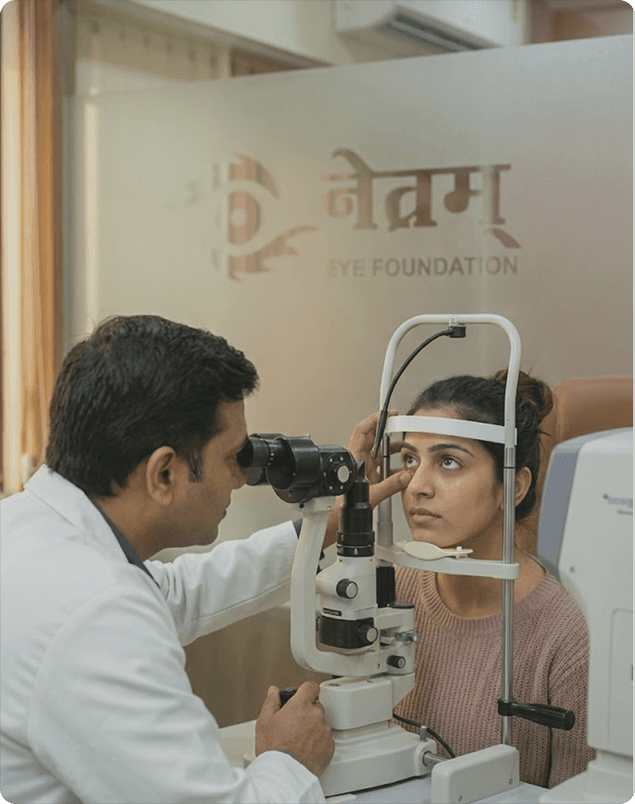
Corneal ulcers are diagnosed through urgent comprehensive eye examination and appropriate microbiological investigation:
■MANAGEMENT & TREATMENT
Avoid Contact Lens Use During Infection
Contact lenses must not be worn until the infection has fully resolved and the ophthalmologist has confirmed complete healing.
Maintain Proper Eye Hygiene
Wash hands thoroughly before touching the eyes or administering eye drops to prevent introducing additional microorganisms.
Follow Prescribed Medication Regimen Strictly
Antibiotic or antifungal eye drops must be used exactly as prescribed — often every hour initially — to achieve adequate drug concentration in the cornea.
Avoid Eye Rubbing
Rubbing the eye may worsen corneal damage, spread infection, and increase the risk of complications including corneal perforation.
Protect Eyes from Environmental Irritants
Avoid exposure to dust, smoke, or allergens during recovery. Dark glasses may help reduce light sensitivity and provide protection.
Attend All Follow-Up Visits
Daily or frequent follow-up monitoring is typically required in the early stages of corneal ulcer treatment to assess response and modify therapy.
Targeted Topical Antimicrobial Therapy
Primary treatment for all ulcersIntensive topical antibiotic, antifungal, or antiviral eye drops administered frequently (often hourly) to eliminate the infecting microorganism.
Fortified Antibiotic Eye Drops
For severe bacterial infectionsHigher concentration antibiotic drops compounded to achieve bactericidal levels within the corneal tissue for aggressive infections.
Cycloplegic Eye Drops
For pain relief and preventing synechiaeDilating drops reduce pain from ciliary muscle spasm and prevent formation of adhesions between the iris and lens.
Corneal Transplantation (Keratoplasty)
For unresponsive or severe casesWhen infection cannot be controlled or significant scarring develops, corneal transplantation may be required to restore clarity and visual function.

■SURGICAL INTERVENTION
Most corneal ulcers respond to intensive medical treatment with targeted antimicrobial eye drops and do not require surgery. However, in cases where the infection is unresponsive to medications, threatens corneal perforation, or has resulted in significant scarring with visual impairment, surgical intervention may become necessary. Procedures include corneal debridement or scraping, application of tissue adhesive for impending perforation, or corneal transplantation (penetrating keratoplasty) for advanced scarring.
Surgical decisions depend on the depth and extent of the ulcer, the infecting organism, and the patient's response to treatment. At Netram Eye Foundation in Delhi, experienced corneal specialists use the latest diagnostic tools and treatment protocols to manage corneal ulcers effectively, aiming to preserve vision and minimise scar formation through early and targeted intervention.
■ALL YOUR QUESTIONS ANSWERED
Corneal ulcers are most commonly caused by bacterial, viral, fungal, or parasitic infections that invade the corneal tissue through surface damage or weakened defences. Bacteria — particularly Pseudomonas aeruginosa — are a common cause in contact lens wearers. Herpes simplex virus is a frequent viral cause. Fungal infections are more common after eye injuries involving vegetative material. Acanthamoeba, a waterborne parasite, causes severe ulcers in contact lens wearers exposed to contaminated water.
Yes. Corneal ulcers are a serious, potentially sight-threatening condition. Without prompt and appropriate treatment, they can progress rapidly, spreading deeper into the cornea and causing permanent scarring, corneal thinning, or even perforation. Even after successful treatment, residual scars may permanently reduce visual acuity if the central cornea was involved. Early diagnosis and aggressive treatment are essential to minimise the risk of long-term vision loss.
Yes. Improper contact lens hygiene is one of the most significant risk factors for corneal ulcers. Sleeping in lenses, using contaminated solutions, not replacing lenses as recommended, and swimming or showering while wearing lenses all dramatically increase the risk of microbial keratitis. Contact lens-related ulcers are often caused by Pseudomonas aeruginosa and can progress very rapidly. All contact lens wearers should follow strict hygiene guidelines to minimise infection risk.
Yes. Most corneal ulcers can be effectively treated if diagnosed early. Treatment involves intensive topical antimicrobial therapy — the specific agent depends on the type of microorganism involved. Bacterial ulcers are treated with broad-spectrum antibiotic drops. Fungal ulcers require antifungal agents. Viral ulcers may need antiviral medications. Treatment may need to be administered as frequently as every hour in the early stages. Close monitoring and follow-up are essential throughout the treatment course.
Visual recovery depends on the size, depth, and location of the ulcer, and how quickly treatment was started. Peripheral ulcers that are treated early often heal with minimal impact on vision. Central ulcers that cause scarring may result in permanent reduction of visual acuity. In severe cases with significant central scarring, corneal transplantation may be required to restore functional vision. Early presentation and prompt treatment offer the best chance of good visual recovery.
The most effective prevention strategies include strict contact lens hygiene — never sleeping in lenses, replacing them as recommended, using fresh solution, and not exposing lenses to water. Wearing protective eyewear during occupational hazards and sports reduces the risk of corneal trauma. Seeking prompt treatment for any eye redness, pain, or discharge prevents minor surface problems from progressing to infection. Good hand hygiene and avoiding touching the eyes with unclean hands are also important preventive measures.
Still have questions? Our team is here to help.
Schedule Consultation
REQUEST AN APPOINTMENT