Blurred or Distorted Vision
Objects may appear stretched, shadowed, or slightly warped because the irregular corneal surface causes light to scatter unevenly across the retina.

■UNDERSTANDING THE CONDITION
Keratoconus is a disorder in which the cornea gradually becomes thinner and begins to bulge outward, forming a cone-like shape. Under normal circumstances, the cornea has a smooth dome-like curvature that allows light to focus precisely onto the retina.
In keratoconus, the structural strength of the corneal tissue becomes weakened. As the cornea thins, it begins to protrude forward, creating an irregular surface. This irregular curvature causes light entering the eye to scatter rather than focus accurately, resulting in irregular astigmatism, blurred vision, ghost images, and glare. Because the shape of the cornea continues to change over time, glasses prescriptions may require frequent updates.
Early detection is important because treatments such as Accelerated Corneal Collagen Cross-Linking (Accelerated C3R) can help slow or stop the progression of the disease before significant corneal deformation develops.
Keratoconus primarily affects the cornea, the transparent front layer of the eye responsible for focusing light. When the cornea becomes thin and irregular, the eye cannot focus light correctly, leading to distorted and blurred vision that cannot always be fully corrected with standard glasses.
Keratoconus is a progressive corneal disorder that affects vision clarity. Key characteristics include:
■CLINICAL PRESENTATION
Symptoms of keratoconus often develop gradually and may initially resemble common refractive errors such as astigmatism:
Blurred or Distorted Vision
Objects may appear stretched, shadowed, or slightly warped because the irregular corneal surface causes light to scatter unevenly across the retina.
Increased Sensitivity to Light
Glare and halos around lights are particularly noticeable at night or while driving due to the irregular corneal shape.
Frequent Changes in Glasses Prescription
People with keratoconus often notice frequent changes in their glasses prescription as the cornea continues to change shape during progression.
Difficulty Seeing Clearly at Night
Night vision can become increasingly difficult due to glare, halos around lights, and irregular focusing of light.
Eye Strain or Headaches
Trying to focus through distorted vision may cause eye strain, fatigue, or headaches after prolonged visual tasks.
Double or Ghost Images
Some individuals notice ghosting or double outlines around objects, especially when looking at bright lights or high-contrast edges.
These symptoms suggest significant or rapid corneal changes requiring prompt specialist evaluation:
Rapid Vision Deterioration
Immediate evaluationA sudden decline in visual clarity may indicate rapid progression of keratoconus requiring prompt corneal assessment.
Sudden Corneal Swelling (Acute Hydrops)
Same day evaluationIn rare cases, fluid may suddenly enter the cornea, causing swelling, pain, and sudden vision loss requiring emergency care.
Severe Visual Distortion
Within 1 weekObjects appearing significantly warped or stretched may indicate worsening corneal irregularity needing specialist review.
Persistent Light Sensitivity
Within 1 weekSevere glare and sensitivity to bright light may indicate advanced corneal changes requiring evaluation.
Frequent Prescription Changes
Within 1 weekRepeated changes in glasses prescription may suggest progressive keratoconus that requires corneal mapping.
Sudden Vision Changes
Urgent assessmentAny sudden unexplained change in vision should be evaluated promptly by a cornea specialist.

Ask yourself these questions to determine if a corneal evaluation is needed:
If you answered "yes" to any of these questions, a corneal evaluation at an eye clinic in Delhi can determine whether keratoconus may be present and guide appropriate treatment.
■TRIGGERS & ROOT CAUSES
The exact cause of keratoconus is not completely understood, but research suggests a combination of genetic predisposition, corneal structural weakness, and these key behavioural factors:
Frequent Eye Rubbing
HighRepeated eye rubbing is one of the strongest behavioural factors associated with keratoconus progression. Continuous mechanical pressure weakens corneal collagen fibres and accelerates thinning of corneal tissue.
Chronic Eye Allergies
HighPersistent eye allergies cause itching and irritation, often leading to frequent eye rubbing. Over time, this repeated mechanical stress weakens corneal structure and worsens keratoconus.
Delayed Eye Examinations
ModerateIn early stages, keratoconus may appear similar to common astigmatism. Without routine specialised corneal imaging, early corneal changes may go undetected until the condition has progressed.
Poor Awareness of Vision Changes
ModerateMany individuals assume their symptoms are due to simple eyesight issues and delay seeking specialist evaluation, allowing keratoconus to progress before treatment begins.
Excessive Screen Use with Eye Irritation
LowLong hours of screen use may cause dryness and irritation, which can trigger frequent eye rubbing and indirectly worsen corneal stress.
Ignoring Persistent Vision Problems
ModerateOngoing symptoms such as glare, ghost images, or blurred vision should be evaluated early to detect keratoconus before significant progression occurs.
Structural and environmental factors that affect corneal integrity can trigger or accelerate keratoconus:
Genetic Predisposition
Keratoconus often runs in families and may be linked to inherited corneal weakness or collagen abnormalities.
Corneal Structural Weakness
Abnormal collagen structure within the cornea may lead to progressive thinning even without external triggers.
Chronic Eye Allergies
Allergic eye disease increases the risk of frequent eye rubbing, a key driver of corneal weakening.
Environmental Irritants
Dust, pollution, and airborne allergens may cause persistent eye irritation and rubbing.
Hormonal Changes
Hormonal influences during adolescence may affect corneal stability and contribute to progression.
Oxidative Stress
Increased oxidative stress in corneal cells may weaken the structural integrity of corneal collagen.
Certain systemic and ocular conditions are associated with a higher risk of keratoconus:
Allergic Eye Disease
Chronic allergic conjunctivitis is strongly associated with keratoconus due to the repeated eye rubbing it provokes.
Connective Tissue Disorders
Certain connective tissue disorders such as Marfan syndrome may affect corneal collagen structure.
Down Syndrome
Individuals with Down syndrome have a significantly higher risk of developing keratoconus.
Atopic Disorders
Conditions such as eczema and asthma are associated with eye allergy and increased keratoconus risk.
Inherited Corneal Weakness
Genetic disorders affecting connective tissue or collagen production may predispose individuals to corneal thinning.
■CLINICAL EVALUATION
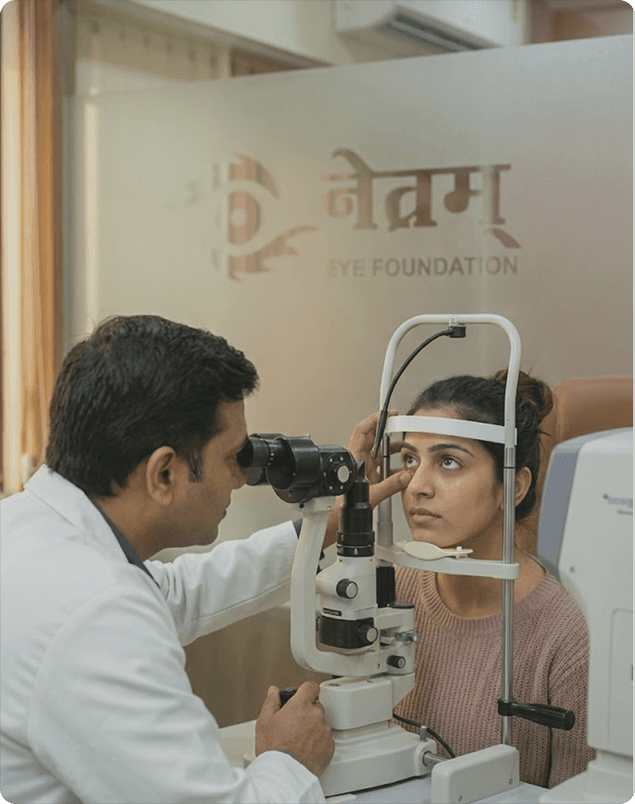
Keratoconus is diagnosed through specialised corneal imaging and comprehensive eye examination. Your specialist will evaluate:
■MANAGEMENT & TREATMENT
Avoid Eye Rubbing
Reducing eye rubbing is one of the most important steps in slowing corneal weakening and preventing further progression.
Manage Eye Allergies
Proper allergy treatment with antihistamine drops reduces itching and irritation, helping to prevent the eye rubbing that drives corneal damage.
Use Prescribed Glasses or Contact Lenses
Specialised contact lenses, including rigid gas-permeable and scleral lenses, can significantly improve visual clarity in keratoconus.
Attend Regular Eye Exams
Routine corneal monitoring with topography helps detect progression early and guides timely intervention.
Protect Eyes from Irritants
Avoiding dust, allergens, and environmental irritants reduces the urge to rub the eyes and minimises corneal stress.
Follow Specialist Treatment Plans
Adhering closely to the recommended treatment plan, including scheduled cross-linking if advised, helps stabilise the cornea effectively.
Accelerated Corneal Collagen Cross-Linking (C3R)
To halt progressionThe primary treatment for stabilising keratoconus. Riboflavin eye drops are applied and activated with ultraviolet light to strengthen corneal collagen bonds.
Specialised Contact Lenses
Rigid gas-permeable or scleral lensesCustom-fitted rigid or scleral lenses vault over the irregular cornea and provide a smooth refracting surface for clearer vision.
Intracorneal Ring Segments
For moderate keratoconusSmall arc-shaped implants inserted into the cornea to reshape its profile, improving vision and reducing irregularity.
Corneal Transplant
For advanced casesIn severe cases where other treatments are insufficient, a partial or full corneal transplant may be required to restore vision.

■SURGICAL INTERVENTION
Accelerated Corneal Collagen Cross-Linking (Accelerated C3R) is the primary procedure used to halt keratoconus progression. It is typically performed as a day-care treatment and is considered safe and effective. For most patients with early to moderate keratoconus, this procedure prevents the need for more invasive surgery.
In cases where cross-linking is insufficient or the cornea has become severely irregular, intracorneal ring segments or a corneal transplant may be considered. At Netram Eye Foundation in Delhi, advanced corneal diagnostics help identify the most appropriate treatment for each stage of keratoconus, ensuring the least invasive option is used first.
■ALL YOUR QUESTIONS ANSWERED
Keratoconus is believed to result from a combination of genetic factors and environmental influences, particularly frequent eye rubbing, that weaken the structural collagen within the cornea over time.
Yes, it often runs in families. Individuals with a first-degree relative with keratoconus should have regular corneal examinations to detect early changes.
While keratoconus cannot be completely reversed, treatments such as Accelerated C3R can halt progression effectively. Vision can often be improved through specialised contact lenses or other procedures.
Accelerated Corneal Collagen Cross-Linking is a treatment that uses riboflavin drops and controlled ultraviolet light to strengthen the cornea's collagen bonds, making the corneal structure more stable and resistant to further deformation.
Severe untreated keratoconus may significantly impair vision. However, with early detection and appropriate treatment, the vast majority of patients retain functional vision.
Treatment is recommended as early as signs of progression are detected. Earlier intervention with C3R produces better outcomes by preserving more corneal tissue and preventing advanced deformation.
Still have questions? Our team is here to help.
Schedule Consultation
REQUEST AN APPOINTMENT