Burning or Stinging Sensation
A burning or stinging sensation in the eyes that may worsen during prolonged tasks such as reading, driving, or using digital devices.

■UNDERSTANDING THE CONDITION
Dry eye syndrome develops when the tear film that lubricates and protects the eye becomes unstable or insufficient. The tear film contains three important layers—oil, water, and mucus—which work together to keep the ocular surface smooth and comfortable.
If any of these layers becomes deficient or imbalanced, tears may evaporate quickly or fail to provide adequate lubrication. As a result, the surface of the eye becomes dry and irritated. Over time, chronic dryness may cause inflammation of the cornea and conjunctiva, leading to persistent discomfort and fluctuating vision.
Although dry eye syndrome is often mild, untreated cases may gradually worsen and affect quality of life. Early diagnosis at an eye clinic in Delhi helps identify the underlying cause and allows effective, personalised treatment.
Dry eye syndrome primarily affects the tear film and ocular surface, including the cornea and conjunctiva. These structures depend on a stable, balanced tear film to remain lubricated and protected from environmental exposure and infection.
Dry eye syndrome is a chronic ocular surface disorder involving tear deficiency or excessive tear evaporation. Key characteristics include:
■CLINICAL PRESENTATION
Symptoms of dry eye syndrome may vary depending on environmental conditions and tear film stability:
Burning or Stinging Sensation
A burning or stinging sensation in the eyes that may worsen during prolonged tasks such as reading, driving, or using digital devices.
Feeling of Grit or Foreign Body
A sensation as if sand or dust is present in the eye, caused by dryness and irritation of the ocular surface.
Redness of the Eyes
Dryness may cause irritation and inflammation, leading to visible redness of the eye surface.
Blurred or Fluctuating Vision
Vision may appear blurred or fluctuate throughout the day because the tear film becomes unstable and uneven.
Sensitivity to Light
Dry eye may increase sensitivity to bright light, making it uncomfortable to stay in well-lit environments.
Excessive Tearing
Paradoxically, dry eye may trigger excessive tearing as the eye attempts to compensate for irritation and dryness.
These symptoms suggest significant ocular surface involvement and require prompt ophthalmological evaluation:
Persistent Eye Pain
Immediate evaluationSevere discomfort or persistent pain may indicate significant ocular surface inflammation requiring urgent attention.
Sudden Vision Changes
Same day evaluationA sudden decline in visual clarity may indicate corneal involvement and should not be delayed.
Extreme Light Sensitivity
Within 1 weekSevere discomfort in bright environments may indicate worsening corneal dryness or surface disease.
Severe Eye Redness
Within 1 weekPersistent redness may indicate chronic ocular surface inflammation requiring evaluation.
Difficulty Keeping Eyes Open
Urgent assessmentSevere dryness causing discomfort on eye opening may indicate advanced dry eye disease.
Persistent Blurred Vision
Within 1 weekBlurred vision that does not improve with blinking may indicate tear film or corneal surface changes.

Ask yourself these questions to determine if medical evaluation is needed:
If you answered "yes" to any of these questions, a comprehensive ocular surface examination at an eye clinic in Delhi can identify the cause and guide effective treatment.
■TRIGGERS & ROOT CAUSES
The majority of dry eye cases are directly attributable to modifiable lifestyle habits that affect tear production and tear film stability:
Excessive Digital Screen Use
HighProlonged use of computers, smartphones, or tablets significantly reduces blinking frequency, causing tears to evaporate faster and the ocular surface to become dry and irritated.
Ignoring the 20-20-20 Rule
HighWithout regular visual breaks during screen use, prolonged near-focus exposure worsens tear evaporation. Every 20 minutes, looking 20 feet away for 20 seconds significantly helps reduce dryness.
Continuous Reading or Visual Tasks
ModerateActivities requiring prolonged focus—such as reading, studying, or detailed work—reduce blinking and destabilise the tear film, contributing to dryness over time.
Air-Conditioned or Low Humidity Environments
ModerateWorking in air-conditioned rooms, near fans, or in low humidity environments accelerates tear evaporation and worsens ocular surface dryness.
Inadequate Hydration
LowInsufficient water intake may affect tear production. Since tears contain a significant water component, dehydration can contribute to reduced tear volume.
Contact Lens Overuse
ModerateExtended contact lens wear interferes with the natural tear film and increases tear evaporation. Improper lens hygiene may also worsen ocular surface irritation.
Structural and environmental conditions affecting the eye surface can trigger or significantly worsen dry eye symptoms:
Aging
Tear production naturally decreases with age, making older adults more susceptible to dry eye.
Environmental Pollution
Dust, smoke, and airborne pollutants may irritate the eye surface and disrupt the tear film.
Wind Exposure
Windy environments increase the rate of tear evaporation from the ocular surface.
Dry Indoor Air
Low indoor humidity environments, common in centrally heated or air-conditioned spaces, may worsen dryness.
Meibomian Gland Dysfunction
Blocked or poorly functioning oil glands on the eyelid margin disrupt the lipid layer of the tear film, causing faster evaporation.
Prolonged Contact Lens Use
Long-term lens wear may affect the balance of the tear film and reduce corneal oxygen supply.
In some cases, dry eye may be a symptom of an underlying systemic or ocular condition:
Autoimmune Disorders
Conditions such as Sjögren's syndrome directly affect the lacrimal glands and significantly reduce tear production.
Hormonal Changes
Hormonal changes, especially in women during menopause or pregnancy, may alter tear production and quality.
Diabetes
Metabolic disorders such as diabetes may affect nerve supply to the lacrimal glands and tear film health.
Thyroid Disorders
Thyroid disease, particularly when affecting the eyelids or lacrimal glands, can impact ocular surface health.
Blepharitis
Chronic eyelid inflammation disrupts meibomian gland function and tear film stability.
■CLINICAL EVALUATION
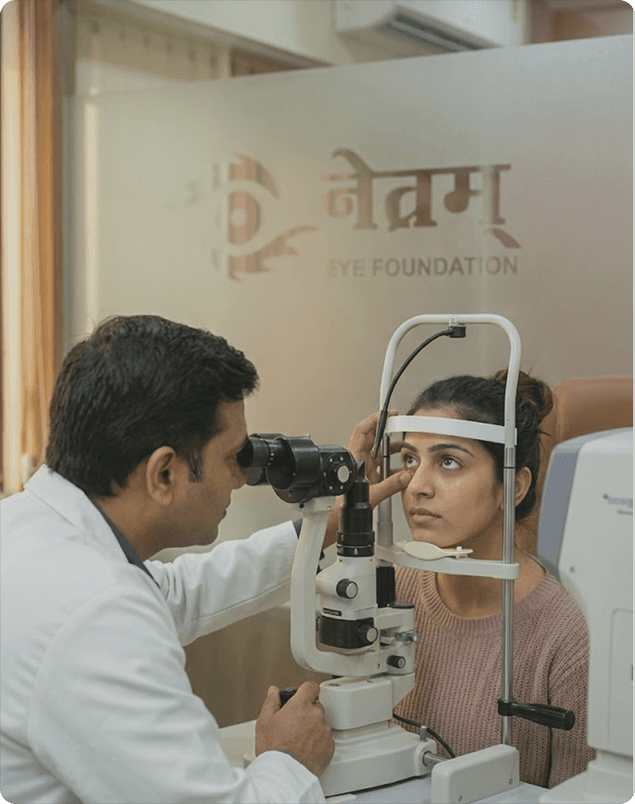
Your eye care specialist will conduct a comprehensive ocular surface examination to determine the type and severity of dry eye:
■MANAGEMENT & TREATMENT
Follow the 20-20-20 Rule
Every 20 minutes of screen use, look at something 20 feet away for 20 seconds to allow tears to redistribute and reduce evaporation.
Maintain Proper Hydration
Adequate fluid intake helps maintain tear production. Drinking sufficient water throughout the day supports overall tear volume.
Use Artificial Tears
Over-the-counter lubricating eye drops help relieve dryness and irritation by supplementing the natural tear film.
Improve Indoor Humidity
Using a humidifier in dry indoor environments helps slow tear evaporation and reduces ocular surface dryness.
Practice Eyelid Hygiene
Regular gentle cleaning of the eyelid margins helps maintain healthy meibomian glands and supports tear film quality.
Limit Continuous Screen Exposure
Reducing prolonged screen time and taking regular breaks helps maintain tear film stability and reduce digital eye strain.
MDS Therma Eye Plus Therapy
Advanced non-invasive treatmentA specialised thermal treatment that stimulates the meibomian glands to improve the oil layer of the tear film, providing long-term relief from chronic dry eye symptoms.
Prescription Anti-Inflammatory Drops
When ocular surface inflammation is presentMedicated eye drops reduce chronic inflammation of the ocular surface, addressing a key driver of persistent dry eye symptoms.
Punctal Plugs
For persistent moderate to severe dry eyeTiny plugs inserted into the tear drainage ducts reduce tear drainage and help retain moisture on the eye surface.
Meibomian Gland Therapy
For evaporative dry eyeTargeted treatment to unblock and restore function to the meibomian glands, improving the lipid layer of the tear film.

■SURGICAL INTERVENTION
The majority of dry eye cases resolve effectively with lifestyle modifications, lubricating drops, and medical therapies. Surgical or procedural interventions are reserved for patients whose symptoms persist despite conservative management.
When required, options may include punctal cauterisation to permanently reduce tear drainage, or advanced procedures to address meibomian gland dysfunction. At Netram Eye Foundation in Delhi, personalised diagnostic evaluation ensures that the most appropriate treatment pathway is identified for each patient's specific type and severity of dry eye.
■ALL YOUR QUESTIONS ANSWERED
Dry eye syndrome occurs when tear production decreases or tears evaporate too quickly, leading to an unstable tear film. Common causes include prolonged screen use, aging, hormonal changes, environmental factors, and underlying conditions such as Sjögren's syndrome or blepharitis.
Yes, it is one of the most common eye conditions worldwide. It is particularly prevalent among people who spend extended hours on digital devices, older adults, and those living in dry or air-conditioned environments.
Yes. Tear film instability can cause blurred or fluctuating vision, particularly during prolonged reading or screen use. Vision usually improves temporarily after blinking, which helps redistribute the tear film.
Treatments range from lubricating eye drops and lifestyle changes to advanced therapies such as MDS Therma Eye Plus, prescription anti-inflammatory drops, and punctal plugs. The right treatment depends on the underlying cause and severity.
Yes. Prolonged screen use significantly reduces blinking frequency, which causes the tear film to evaporate faster. Following the 20-20-20 rule and taking regular screen breaks can help manage symptoms.
Not necessarily. Many cases are directly linked to lifestyle factors and respond well to treatment. With proper management, symptoms can often be effectively controlled, though some chronic forms may require ongoing care.
Still have questions? Our team is here to help.
Schedule Consultation
REQUEST AN APPOINTMENT