Myopia Control in Delhi

Myopia Control in Delhi

Slowing the Progression. Protecting the Future. Starting Now.
The Complete Evidence-Based Myopia Control Spectrum — Under One Roof.

30–50%

Urban Delhi Children — Myopic

40–60%

Axial Progression Slowed by Ortho-K

40×

Higher Retinal Detachment Risk at High Myopia

4.9/5

(2k+ Reviews, Google)

WHY CHOOSE NETRAM

Advanced Myopia Control Rooted in Clinical Evidence

The Full Myopia Control Spectrum — Under One Roof

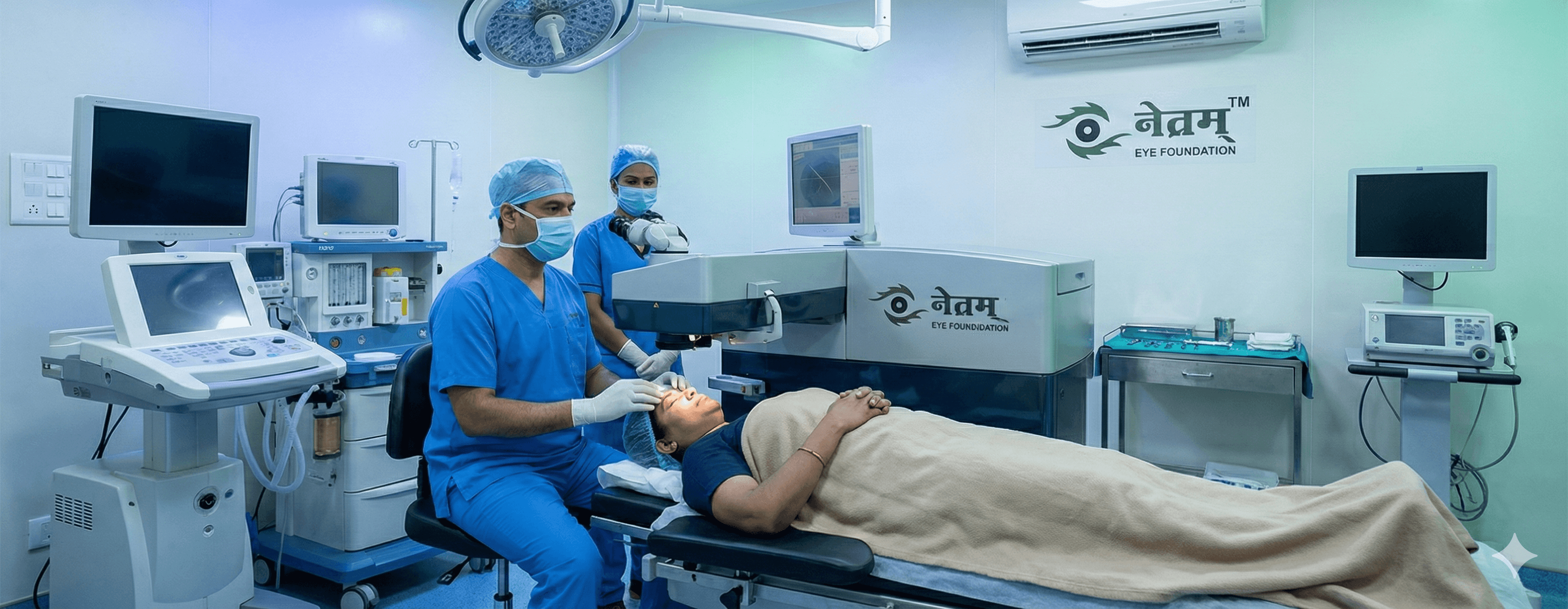
From low-dose atropine drops and defocus-incorporated soft lenses (DIMS/MiSight) to orthokeratology (Ortho-K) — we offer every evidence-based myopia control intervention at our Greater Kailash II centre. The right treatment is chosen for each child based on age, prescription, lifestyle, and progression rate — not on what is most convenient to prescribe.
Experienced Myopia Control Optometrists

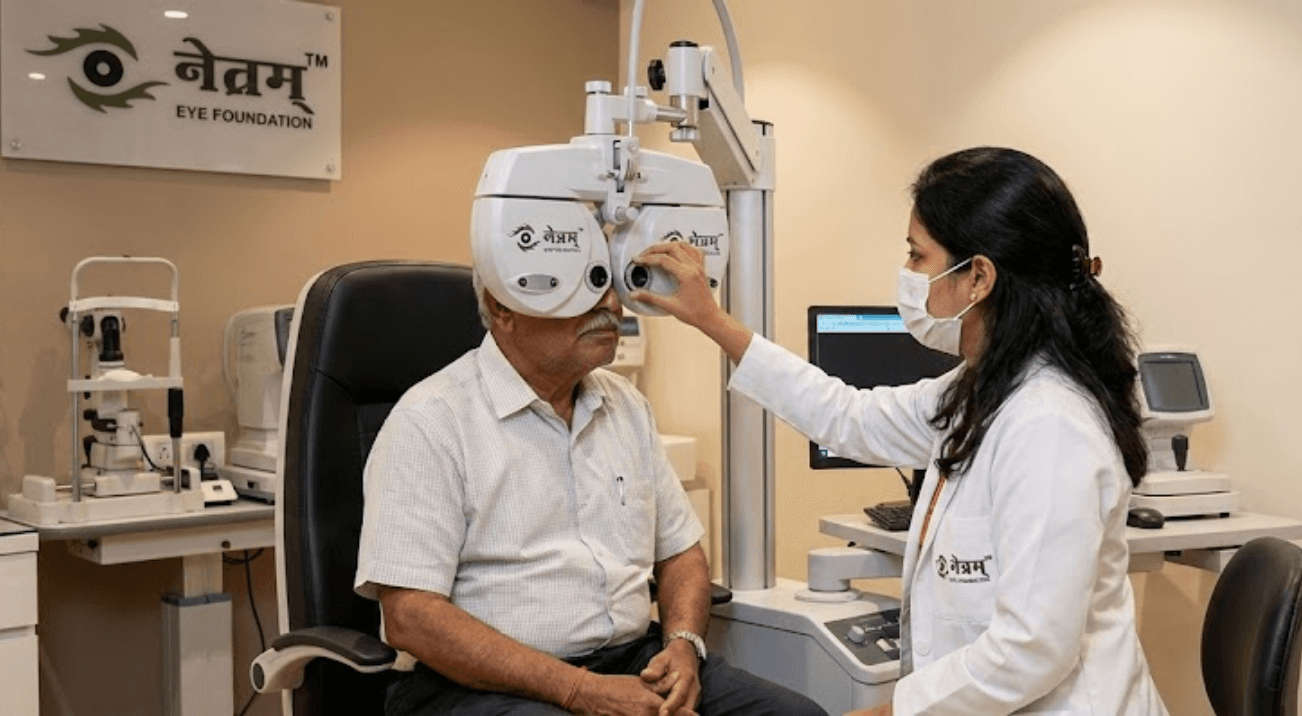
Our specialist optometrists have dedicated clinical experience in childhood myopia management — including the precise fitting, mapping, and ongoing monitoring that orthokeratology requires. Ortho-K is not a lens that can be fitted by any optician; it demands specialist expertise, corneal topography, and close follow-up.

Corneal Topography-Guided Ortho-K Fitting

Every Ortho-K patient at Netram undergoes corneal topography mapping before fitting. The lens design is derived from the precise curvature of your child's cornea — not from a generic fitting set. Post-fit topography maps confirm correct lens centration and the quality of the treatment zone.

Axial Length Monitoring — The True Measure of Control

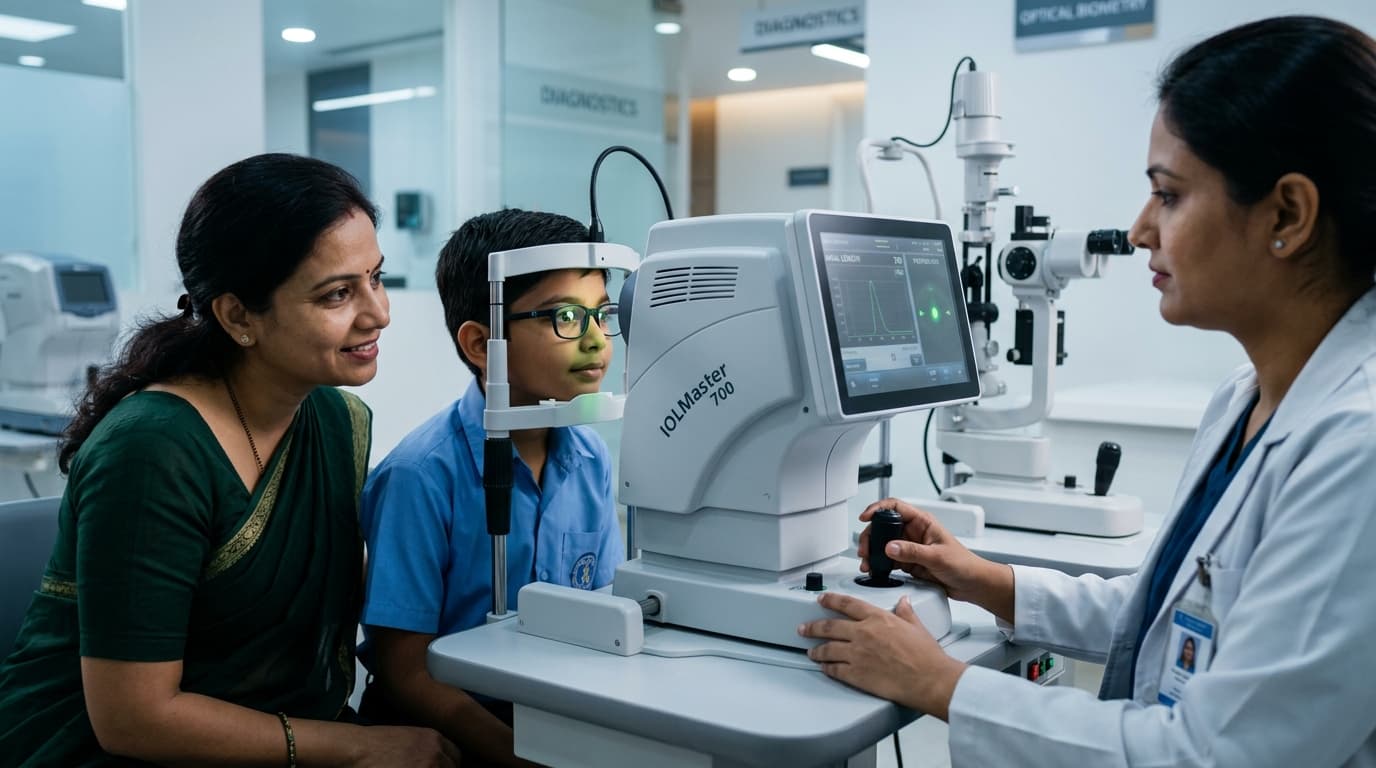
We monitor axial length (the physical length of the eyeball) at every myopia review — because that is the only way to confirm that progression is genuinely slowing. A stable spectacle number with continuing axial elongation is not control; it is false reassurance.

Early Intervention — Because Timing Matters Enormously

The earlier myopia control begins, the more years of progression are intercepted — and the lower the final myopia at adulthood. A child who starts control at −1.00D ends up with a substantially lower lifetime prescription than one who starts at −3.00D.

Transparent Pricing — Ortho-K at ₹25,000 Per Eye

Orthokeratology lenses at Netram are priced at ₹25,000 per eye — transparent, all-inclusive of the fitting, topography, and first-month review visits. Atropine therapy and spectacle-based myopia control options are priced separately — consult our team for your child's personalised plan.

Myopia Progresses Every Month. Control Starts With One Assessment.

Myopia Progresses Every Month. Control Starts With One Assessment.

Book a comprehensive myopia evaluation — axial length and corneal topography included.

Schedule Consultation

TREATMENT OVERVIEW

Understanding Myopia and Why Control Matters

What is myopia?

Myopia (short-sightedness) is a condition in which the eye grows too long — causing distant objects to appear blurred while near vision remains clear. In India, myopia prevalence among urban schoolchildren has reached epidemic proportions — studies estimate 30–50% of urban children in Delhi will be myopic by their teenage years, with numbers rising sharply due to reduced outdoor time and increased near-work demands from screens and academics.

Why myopia progression is dangerous — not just inconvenient

Each dioptre of myopia increases the risk of retinal detachment by approximately 30%, myopic macular degeneration by 40%, and glaucoma by 20%. High myopia (above −6.00D) is associated with a 40-fold increased risk of retinal detachment compared to emmetropia. These are not rare complications — they are the leading causes of irreversible blindness in working-age adults with untreated progressive myopia.

What myopia control does

Myopia control treatments — orthokeratology, low-dose atropine, multifocal contact lenses, and defocus-incorporated spectacle lenses — slow the elongation of the eyeball. They do not reverse myopia or eliminate the need for glasses. But by slowing axial elongation by 40–60%, they significantly reduce the final degree of myopia a child reaches at adulthood — and proportionally reduce the risk of every myopia-related complication.

When to start

Myopia control should begin as soon as progressive myopia is confirmed — ideally at the first sign of progression (0.50D or more per year, or any axial elongation). The earlier control begins, the more progression is intercepted. Starting at −1.00D is always better than waiting until −3.00D.

Myopia Risk Profiles — A Complete Clinical Guide

Early-Onset Myopia (Before Age 10) — High Priority

Myopia that begins before age 10 has the longest runway of potential progression — and therefore the highest risk of reaching high myopia by adulthood. Even a relatively low prescription at age 7 can become −6.00D or higher by age 18 without intervention. First prescription is often between −0.50D and −1.50D at age 6–9.

Recommended approach: Low-dose atropine (0.025–0.05%) from the outset, progressing to Ortho-K when the child is old enough and the prescription is within fitting range. Axial length monitoring every 6 months. Outdoor time increase as an adjunct.

Rapidly Progressing Myopia (More Than −0.75D per Year) — Urgent

A prescription increase of −0.75D or more in a year — or demonstrable axial elongation of more than 0.3mm per year — indicates rapid progression that single-vision correction is completely failing to address. These children are on track for high myopia and its associated risks.

Management: Immediate myopia control intervention — typically Ortho-K or combination atropine + multifocal lens. Quarterly axial length monitoring. Treatment response assessed at 6 months: if axial elongation continues above 0.2mm in 6 months, treatment is escalated.

Moderate / Stable Myopia (Less Than −0.50D per Year) — Monitor and Control

Progression of less than −0.50D per year with axial elongation below 0.2mm per year suggests a more stable trajectory — but this does not mean myopia control is unnecessary. Even slow progression accumulates over a decade of childhood. A child progressing at −0.50D per year between ages 8 and 16 adds −4.00D to their prescription.

Management: Lifestyle modification, DIMS spectacle lenses or low-dose atropine (0.01%), and 6-monthly axial length monitoring. Escalate to Ortho-K or higher-dose atropine if progression accelerates.

Pre-Myopia (Emmetropia or Low Hyperopia with Risk Factors)

A child who is not yet myopic but has one or more myopic parents, low hyperopic reserve (less than +0.75D at age 6–8), significant near-work exposure, and minimal outdoor time is at high risk of developing myopia. This is the pre-myopia window — when the most effective intervention is prevention, not correction.

Management: No optical myopia control is prescribed in pre-myopia. The intervention is 90+ minutes of outdoor time daily, near-work hygiene, and 6-monthly refractive monitoring to catch the onset of myopia as early as possible.

High Myopia (Above −6.00D) — Damage Limitation

At high myopia, the primary clinical concern shifts from controlling progression to monitoring and managing the complications of high myopia — myopic macular degeneration, peripheral retinal changes, glaucoma, and posterior staphyloma. Regular retinal examination is as important as myopia monitoring.

Management: Continued Ortho-K or contact lens correction for convenience and residual control benefit. Annual dilated retinal examination — retinal periphery and macula assessed. Referral to vitreoretinal surgeon if lattice degeneration, retinal holes, or early tractional changes are detected.

What the Evidence Shows

Meta-analyses of orthokeratology studies consistently show 45–55% reduction in axial length progression compared to single-vision spectacles. The MiYOSMART (DIMS) clinical trial showed 52% reduction in myopia progression and 62% reduction in axial elongation over 2 years. Low-dose atropine (ATOM2 study) reduced myopia progression by approximately 60% over 2 years. MiSight 1-day lenses demonstrated 59% reduction in myopia progression over 7 years. The IMI Clinical Management Guidelines classify these as high-efficacy interventions.

OUR APPROACH

How We Approach Myopia Management at Netram

Myopia management at Netram follows a structured, evidence-based approach. The right intervention depends on the child's age, prescription, rate of progression, lifestyle, and corneal profile. Here is how we think about each step.

  • Lifestyle Modification (Always First) — Minimum 90 minutes of outdoor time daily is the only environmental intervention with robust evidence for myopia prevention and slowing progression. Reducing continuous near-work sessions (20-20-20 rule) is recommended alongside all optical treatments.

  • Single-Vision Correction (Not Enough for Progressors) — Standard glasses or contact lenses correct blur but provide no myopia control signal. If a child is progressing, single-vision correction alone is not adequate management.

  • Low-Dose Atropine (First-Line Pharmacological) — 0.01–0.05% atropine eyedrops reduce axial elongation by 50–60%. Well-tolerated, no need for contact lenses, suitable from age 5 upwards. Requires nightly drop instillation and annual dose review.

  • Defocus Spectacle Lenses / MiSight Soft Lenses (Second Line) — DIMS lenses (Hoya MiYOSMART) and MiSight 1-day contact lenses deliver myopic defocus to the peripheral retina — the signal that tells the eye to slow its growth. Non-invasive and suitable for younger children or those not ready for Ortho-K.

  • Orthokeratology — Ortho-K (Most Effective Optical Option) — Specially designed rigid lenses worn overnight that reshape the cornea during sleep — providing clear unaided vision through the day AND delivering the strongest myopic defocus signal of any optical treatment. The most effective single optical myopia control intervention, with 45–55% axial control in meta-analyses.

  • Combination Therapy (For Rapid Progressors) — For children with fast progression despite single-modality treatment, combining atropine with Ortho-K or multifocal soft lenses can produce additive myopia control effects.

Have Questions About Myopia Control? We Respond in Under 10 Minutes.

Have Questions About Myopia Control?We Respond in Under 10 Minutes.

Free Myopia Counselling
Axial Length Monitoring Explained
Netram Eye Foundation profile

Netram Eye Foundation

TODAY

Hi there! Welcome to Netram Eye Foundation.

10:00 AM

Worried about your child's rising myopia? We can help slow it.

10:00 AM

MEET YOUR SURGEON

Your Child's Vision in the Hands of Expertise

Dr. Hardeep Singh

Dr. Hardeep Singh

MS Ophthalmology | Fellowship in Paediatric Ophthalmology & Strabismus

Achievements & Highlights

  • Expert in recession-resection surgery, adjustable suture strabismus, oblique muscle surgery, paralytic squint, and paediatric squint under GA.

  • Comprehensive orthoptic workup — cycloplegic refraction, prism cover testing, binocular vision assessment, stereoacuity, and amblyopia management at every evaluation.

  • 2.5 lakh+ successful surgical procedures over 19+ years.

  • Expert also in paediatric cataract, paediatric glaucoma, amblyopia management, retinopathy of prematurity (ROP) screening, and refractive errors in children.

  • Known for consistent alignment outcomes, evidence-based surgical timing, and exceptionally clear communication with parents and families.

19+

Years
Of Experience

2.5L+

Successful Procedures

7+

Areas of Surgical Expertise

"Squint surgery is not just about making the eyes look straight. It is about giving a child's visual system the best possible chance to develop normally — to build binocular vision, to overcome amblyopia, and to see the world with two eyes working together. When I operate early and precisely, I am not just correcting alignment — I am protecting a lifetime of vision."

UNDERSTANDING YOUR OPTIONS

Myopia Control Treatments — Complete Comparison

The right myopia control treatment depends on your child's age, prescription, lifestyle, and rate of progression. This comparison helps guide the decision.

TreatmentMechanismBest ForAxial ControlPrice at Netram
Orthokeratology (Ortho-K)
Overnight corneal reshaping — peripheral myopic defocus + spectacle-free daytime visionAge 7+, myopia up to −6.00D, motivated families, active children45–55% axial reduction₹25,000 per eye
Low-Dose Atropine (0.025–0.05%)
Pharmacological — nightly eyedrops; direct retinal/scleral growth inhibitionAge 5+, young children, rapid progressors, combination therapy50–60% progression reductionConsult our team
DIMS Spectacle Lenses (MiYOSMART / Stellest)
Peripheral myopic defocus delivered through spectacle lens — full-time wearAge 5+, not ready for contact lenses, spectacle preference52–67% axial reductionConsult our team
MiSight 1-Day Contact Lenses
Dual-focus daily disposable — peripheral myopic defocus during waking hoursAge 8+, active children, sports, Ortho-K not suitable52% axial reductionConsult our team
Atropine + Ortho-K Combination
Combined pharmacological and optical control for maximum effectRapid progressors, early-onset myopia, poor response to single treatment60–70% axial reduction (estimated)Consult our team
Comprehensive Myopia Assessment
Axial length measurement, corneal topography, refraction, risk stratificationAll new myopia control patients — mandatory before treatment startConsult our team

THE COMPLETE TREATMENT JOURNEY

Guiding You Through Every Stage

From your child's first myopia assessment to their annual axial length review — with complete transparency and objective outcome tracking at every visit.

ASSESSMENT step 1 of 3

First VisitStep 1

Comprehensive Myopia Evaluation

Unaided and best-corrected visual acuity, cycloplegic refraction (essential for children — non-cycloplegic significantly underestimates hyperopic reserve), axial length measurement (IOLMaster or Lenstar), corneal topography (for Ortho-K candidates), slit lamp examination, and fundus evaluation. Myopia risk profile determined and treatment options discussed.

Progression Review (If Records Available)Step 2

Historical Progression Analysis

Previous spectacle prescriptions and dates reviewed to calculate annual progression rate. Historical axial length data incorporated where available. A child who has progressed −1.25D in the last year is managed very differently from one who has progressed −0.25D.

Treatment PlanningStep 3

Personalised Treatment Plan

Based on assessment findings, the optometrist presents the recommended treatment with evidence, expected outcomes, monitoring schedule, and complete pricing. For Ortho-K, the topography data is reviewed with the family. Questions answered fully before any commitment.

TESTIMONIALS

Real Patients, Life-Changing Results

Sonu Kashyap avatar

I’m very thankful to Dr. Anchal Gupta for my successful eye operation. She explained the full process clearly, built my confidence, and made me feel genuinely cared for throughout....

Sonu Kashyap

Eye Surgery Review

Prakash Chetri

Cataract Surgery

Shafiya Meditrip avatar

One month after LASIK, my vision is much clearer at 6/4, beyond expectations. Thank you to Dr. Anchal and the team for such a smooth and reassuring experience....

Shafiya Meditrip

LASIK Review

Ritika Kaushal

LASIK Surgery

Akshita Yadav avatar

I had ICL surgery at Netram and felt supported from consultation to follow-up. Dr. Anchal Gupta and Dr. Neha Sharma explained everything patiently and made the whole journey comfortable and reassuring....

Akshita Yadav

ICL Surgery Review

Subhankar

LASIK Surgery

ALL YOUR QUESTIONS ANSWERED

Frequently Asked Questions About Myopia Control

What is myopia control and is it really necessary — can't my child just update their glasses?

Updating glasses corrects blur — it does nothing to slow the eye's growth. Myopia progresses because the eyeball is physically elongating, and that elongation is what creates lifetime risk of retinal detachment, macular degeneration, glaucoma, and cataract. Myopia control treatments — Ortho-K, atropine, DIMS lenses — slow that elongation by 40–60%. The International Myopia Institute now recommends that every progressing myopic child be offered myopia control. Simply updating the glasses is no longer considered adequate management for a progressing myope — the same way we would not simply prescribe painkillers for a condition that has a treatment targeting the underlying cause.

What exactly is Ortho-K and how does wearing lenses at night correct vision during the day?

Orthokeratology lenses have a reverse-geometry design — the central zone is flatter than the cornea, and the peripheral zone has a steeper curve. When worn during sleep, the lens gently redistributes the epithelial cells of the cornea — flattening the central cornea and steepening the periphery. This temporary reshaping corrects the refractive error (so the child sees clearly without glasses the next day) and creates a ring of myopic defocus on the peripheral retina, which signals the eye to slow its growth. The reshaping reverses without the lenses within 24–36 hours — which is why lenses must be worn every night to maintain the effect.

Is Ortho-K safe for children? What are the risks?

Ortho-K has been used in children since the early 2000s and has a strong safety record in compliant patients. The main risk is microbial keratitis (eye infection) — which is the same risk profile as any contact lens wear. The incidence of serious infection in paediatric Ortho-K is approximately 7.7 per 10,000 patient-years in Asian populations (the most studied group), which is comparable to overnight soft contact lens wear. The risk is dramatically reduced by strict lens hygiene: no tap water contact with lenses or lens case, proper cleaning and storage protocol, and prompt attendance if the eye becomes red, painful, or the vision changes. At Netram, hygiene training is a major part of the fitting process — and we are explicit about the fact that Ortho-K is only safe in compliant, hygiene-adherent patients.

What is the cost of Ortho-K at Netram and what does it include?

Orthokeratology lenses at Netram are priced at ₹25,000 per eye. This includes the comprehensive pre-fitting corneal topography assessment, the fitting consultation, trial lens fitting, Day 1 morning topography review, and 1-month follow-up visit. Lens replacement (typically needed every 12–18 months) and ongoing 3-monthly and 6-monthly monitoring visits are priced separately — consult our team for the full ongoing cost picture. Other myopia control options (atropine, DIMS lenses, MiSight) are priced differently — our team will provide a complete cost breakdown for the recommended programme at your child's assessment appointment.

At what age can myopia control begin?

It depends on the treatment. Low-dose atropine eyedrops can be used from age 5 onwards — there is no practical lower age limit given how simple the administration is (drops at bedtime). DIMS spectacle lenses can be fitted from age 5–6, as soon as the child can wear glasses reliably. Ortho-K and MiSight contact lenses typically require the child to be at least 7–8 years old and demonstrate the maturity and dexterity needed for contact lens handling. In motivated younger children with responsible parents, Ortho-K has been fitted successfully at age 6 — but this is assessed case by case. There is no upper age limit for myopia control benefit, though the urgency is greatest in younger, faster-progressing children.

Will my child still need glasses with Ortho-K?

For most children within the fitting range (up to −6.00D myopia, −2.00D astigmatism), Ortho-K provides functional unaided daytime vision of 6/6 or better — meaning no glasses are needed during the day. A backup pair of glasses with the current prescription is always recommended for nights when lenses are not worn (illness, travel, overnight stays). The glasses prescription may reduce over the first few months of Ortho-K wear as the corneal reshaping effect stabilises. Children with prescriptions above −6.00D may have residual myopia with Ortho-K — this is discussed at the assessment appointment.

What happens when myopia stops progressing — can we stop treatment?

Myopia typically stabilises in the late teens to early 20s. Once axial length has been stable for 12 or more consecutive months and there has been no refractive progression, treatment can be reviewed. Atropine is tapered gradually rather than stopped abruptly — sudden cessation can cause rebound progression. Ortho-K can be continued for daytime convenience even after myopia has stabilised — many adults choose to continue for this reason. Once myopia has been stable for 2 or more years, LASIK or other refractive surgery eligibility can be assessed — and the fact that a controlled prescription is likely to be lower than an uncontrolled one makes the refractive surgery outcome better too.

Does spending time outdoors actually slow myopia — and how much is enough?

Yes — this is one of the most robustly evidenced findings in myopia research. Outdoor time (not exercise per se, but exposure to bright natural light) is consistently associated with reduced myopia onset and slowed progression across large epidemiological studies. The SCORM, STARS, and Sydney Myopia Studies all confirm the protective effect. The mechanism is believed to involve bright light stimulating dopamine release in the retina, which inhibits axial elongation. The recommended minimum is 90 minutes of outdoor time per day in natural light — not just near a window, but actually outside. This is recommended as an adjunct to optical myopia control, not a replacement for it — but it is the only zero-cost, zero-risk intervention with genuine evidence behind it.

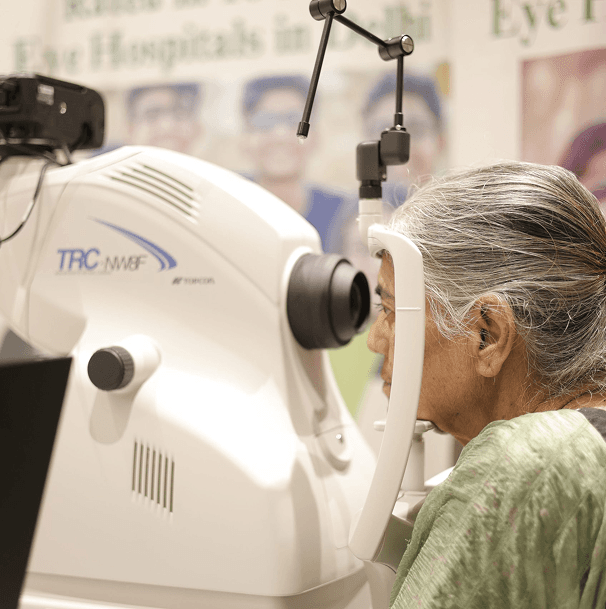
Patient receiving an eye examination

BOOK YOUR CONSULTATION

Myopia Progresses Every Month. Control Starts With One Assessment.