Intense Itching
Itching is the hallmark symptom of allergic conjunctivitis and is almost always present. It tends to worsen with allergen exposure, eye rubbing, or prolonged outdoor activity during high-pollen seasons.

■UNDERSTANDING THE CONDITION
Eye allergy occurs when the immune system overreacts to harmless environmental substances — known as allergens — that come into contact with the eye surface. Upon exposure, mast cells in the conjunctival tissue release histamine and other inflammatory mediators, triggering the characteristic cascade of redness, itching, watering, and swelling.
The conjunctiva, a thin transparent membrane covering the white of the eye and lining the inner eyelids, becomes inflamed in allergic reactions. In more severe forms such as vernal keratoconjunctivitis, the cornea may also become involved, posing a risk to visual acuity if not appropriately managed by an eye specialist in Delhi.
Allergic conjunctivitis is broadly classified into seasonal (triggered by pollen during specific times of year), perennial (triggered year-round by dust mites, pet dander, or mould), and vernal or atopic forms associated with more pronounced immune sensitivity. Identifying the specific trigger is key to long-term symptom control.
Allergic conjunctivitis primarily affects the conjunctiva — the transparent membrane lining the inner surface of the eyelids and covering the white of the eye. In severe cases, the surrounding eyelid tissues also become swollen. The corneal surface may be secondarily involved in advanced forms, as commonly assessed during examinations at an eye hospital in Delhi.
Allergic conjunctivitis is a recurrent, immune-mediated inflammatory condition. Its defining characteristics include:
■CLINICAL PRESENTATION
Symptoms of allergic conjunctivitis range from mild irritation to significant discomfort and typically affect both eyes simultaneously:
Intense Itching
Itching is the hallmark symptom of allergic conjunctivitis and is almost always present. It tends to worsen with allergen exposure, eye rubbing, or prolonged outdoor activity during high-pollen seasons.
Redness of the Eyes
Widespread conjunctival redness results from dilated superficial blood vessels caused by histamine-mediated inflammation. Redness is typically bilateral and diffuse.
Watery Eyes (Epiphora)
Excess tear production occurs as a protective reflex in response to conjunctival irritation, leading to persistent watering that may impair visual clarity.
Swelling of the Eyelids
Periorbital oedema and puffiness of the upper and lower eyelids develop due to local inflammatory mediator release and increased vascular permeability.
Burning or Stinging Sensation
Many patients describe a burning or stinging feeling in the eyes, often alongside a sensation of foreign body presence, particularly when blinking.
Sensitivity to Light
Mild photophobia may accompany conjunctival inflammation, making exposure to bright light or screens uncomfortable during active episodes.
These symptoms suggest advanced allergic involvement or secondary complications requiring prompt ophthalmological evaluation:
Severe Eyelid Swelling
Same day evaluationMarked periorbital swelling may indicate a severe systemic allergic response or secondary infection requiring urgent assessment and treatment.
Blurred or Reduced Vision
Immediate evaluationAny change in visual acuity alongside eye allergy symptoms warrants urgent evaluation to rule out corneal involvement or secondary complications.
Persistent Redness Beyond One Week
Within 1 weekRedness that does not improve with standard measures may indicate prolonged inflammation, secondary infection, or an alternative diagnosis requiring specialist review.
Thick or Purulent Discharge
Within 1 weekThick, yellow, or green discharge is not typical of pure allergic conjunctivitis and may suggest a concurrent bacterial or viral infection requiring specific treatment.
Severe Photophobia
Within 1 weekMarked light sensitivity may indicate corneal involvement or uveitis, conditions that require a thorough slit-lamp examination to exclude serious pathology.
Symptoms Not Responding to Treatment
Within 1 weekFailure to improve with antihistamine therapy may suggest a different underlying diagnosis, such as vernal keratoconjunctivitis or dry eye disease, requiring specialist reassessment.

Ask yourself these questions to determine if medical evaluation is needed:
If you answered "yes" to any of these questions, schedule a consultation with an eye allergy specialist in Delhi for a thorough evaluation and personalised treatment plan.
■TRIGGERS & ROOT CAUSES
Most cases of allergic conjunctivitis are directly influenced by modifiable lifestyle behaviours and environmental exposure patterns:
Continuous Exposure to Dust and Urban Pollution
HighLiving in polluted urban environments significantly increases the daily burden of airborne allergens including fine particulate matter, smoke, and dust. Repeated exposure triggers and sustains conjunctival inflammation, particularly in individuals with pre-existing allergic sensitivity.
Frequent Eye Rubbing
HighRubbing the eyes in response to itching provides momentary relief but actively worsens the condition. Mechanical stimulation of mast cells in the conjunctiva releases additional histamine, amplifying redness, swelling, and itching in a counterproductive cycle.
Poor Indoor Allergen Control
HighIndoor environments harbouring dust mites, pet dander, and mould spores are a leading source of perennial allergic conjunctivitis. Poor ventilation, infrequent cleaning, and carpeted surfaces significantly increase allergen load within the home or workplace.
Unprotected Outdoor Exposure During Pollen Season
ModerateSpending time outdoors without protective eyewear during spring and autumn, when pollen counts peak, directly exposes the conjunctiva to seasonal allergens. Wearing wraparound glasses or sunglasses significantly reduces ocular allergen contact.
Prolonged Screen Use and Reduced Blinking
ModerateExtended screen time reduces blink frequency, impairing tear film stability and leaving the ocular surface more vulnerable to allergen-induced irritation. Dry eyes further amplify the inflammatory response to allergen exposure.
Self-Medication Without Proper Diagnosis
LowUsing non-prescribed eye drops or antihistamines without identifying the specific allergen trigger may suppress symptoms temporarily while allowing the underlying sensitisation to persist or worsen over time.
Several ocular and environmental factors increase the susceptibility and severity of allergic conjunctivitis:
Allergen Exposure
Direct conjunctival contact with pollen, dust mites, pet dander, mould, or chemical irritants is the primary driver of immune activation and symptom onset.
Dry Eye Condition
A compromised tear film reduces the eye's natural barrier against allergens, increasing surface sensitivity and worsening the inflammatory response upon exposure.
Environmental Irritants
Smoke, chlorine in swimming pools, cosmetics, and air conditioning can independently irritate the conjunctiva and lower the threshold for allergic reactions.
Seasonal Pollen Changes
Elevated airborne pollen counts during spring and autumn directly correlate with increased incidence and severity of seasonal allergic conjunctivitis episodes.
Dry or Windy Weather
Arid conditions and wind increase airborne allergen dispersal and accelerate tear evaporation, collectively intensifying ocular surface inflammation.
Certain systemic and ocular conditions are closely associated with increased risk and severity of allergic conjunctivitis:
Allergic Rhinitis
Nasal allergy and eye allergy frequently coexist as part of the same systemic allergic response, with nasal symptoms often preceding or accompanying ocular symptoms.
Asthma
Individuals with asthma have heightened systemic immune reactivity and are at substantially increased risk of developing ocular allergic manifestations.
Atopic Dermatitis (Eczema)
Chronic skin inflammation associated with atopy often coexists with allergic eye disease, particularly in its more severe vernal and atopic keratoconjunctivitis forms.
Dry Eye Syndrome
Underlying dry eye disease amplifies discomfort and prolongs recovery from allergic episodes by compromising the protective ocular surface barrier.
Genetic Predisposition to Atopy
A family history of allergic conditions — including asthma, eczema, or rhinitis — significantly increases an individual's likelihood of developing allergic conjunctivitis.
■CLINICAL EVALUATION
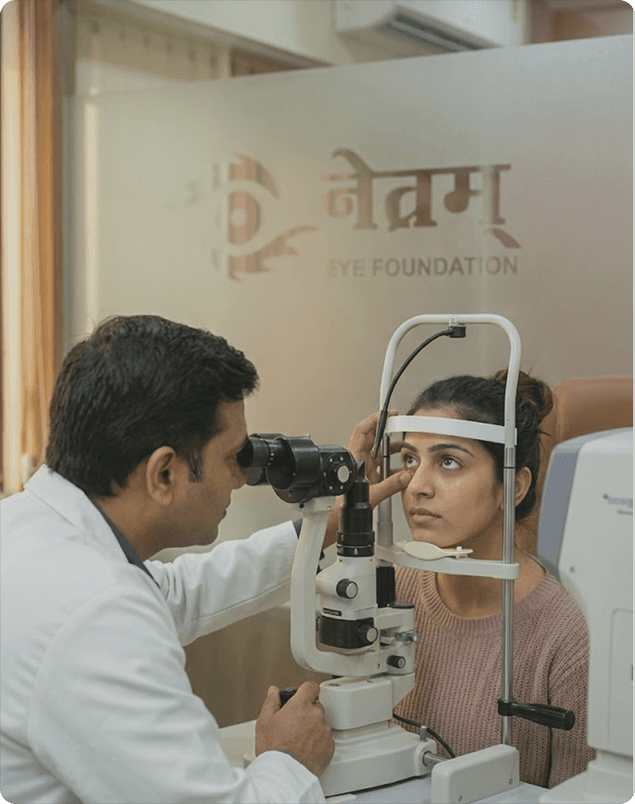
Diagnosis of allergic conjunctivitis is based on a detailed clinical history and comprehensive ocular examination. Your specialist will evaluate:
■MANAGEMENT & TREATMENT
Avoid Known Allergens
Identify and minimise contact with specific triggers such as pollen, dust, pet dander, or smoke. Keeping windows closed during high-pollen days significantly reduces exposure.
Apply Cold Compresses
Placing a clean cold compress over closed eyelids for 10–15 minutes helps constrict blood vessels, reduce histamine-driven swelling, and provide rapid relief from itching.
Avoid Eye Rubbing
Resist the urge to rub the eyes, as this releases additional histamine from mast cells and worsens redness, itching, and swelling — potentially causing corneal microtrauma.
Use Lubricating Eye Drops
Preservative-free artificial tears dilute and wash away surface allergens while restoring tear film stability and reducing ocular surface sensitivity between episodes.
Maintain a Clean Indoor Environment
Regular vacuuming, washing bedding in hot water, using air purifiers, and minimising carpeted surfaces help reduce indoor allergen load, particularly dust mites and pet dander.
Follow Prescribed Medication Schedule
Adhering consistently to antihistamine eye drops, mast cell stabilisers, or systemic antihistamines as prescribed ensures sustained inflammation control and reduces recurrence frequency.
Antihistamine Eye Drops
First-line treatment for acute symptomsTopical antihistamine drops provide rapid relief from itching and redness by blocking histamine H1 receptors at the conjunctival surface. Available in combination with mast cell stabilisers for dual action.
Mast Cell Stabiliser Drops
For prevention and long-term controlSodium cromoglicate and ketotifen-based drops prevent mast cell degranulation and histamine release, making them particularly effective when started before allergen season begins.
Topical Corticosteroid Drops
For moderate-to-severe or recalcitrant casesShort-course corticosteroid eye drops reduce intense conjunctival inflammation in severe episodes. Used under specialist supervision due to the risk of raised intraocular pressure with prolonged use.
Systemic Antihistamines
When nasal and ocular symptoms coexistOral antihistamines are prescribed when allergic conjunctivitis occurs alongside allergic rhinitis or other systemic allergic manifestations, providing broader multi-organ symptom relief.

■SURGICAL INTERVENTION
Allergic conjunctivitis is an immune-mediated inflammatory condition managed entirely through medical therapy and allergen avoidance strategies. Surgical intervention plays no role in the routine treatment of eye allergy in any of its clinical forms — seasonal, perennial, or severe vernal presentations.
In the very rare situation where chronic inflammation has caused structural complications such as conjunctival scarring or corneal involvement, additional procedures may be considered. However, these scenarios represent exceptional cases and are managed on an individual basis at Netram Eye Foundation in Delhi, where advanced diagnostic capabilities ensure the most appropriate and least invasive care pathway for each patient.
■ALL YOUR QUESTIONS ANSWERED
Eye allergy is caused by an overreaction of the immune system to harmless environmental substances called allergens. When allergens such as pollen, dust mites, pet dander, mould, or certain chemicals come into contact with the eye surface, sensitised mast cells in the conjunctiva release histamine and other inflammatory chemicals. This immune cascade causes the characteristic redness, itching, watering, and swelling. The specific allergens responsible vary between individuals and can be identified through a careful clinical history and, when needed, allergy testing.
No. Allergic conjunctivitis is an immune-mediated condition, not an infection, and cannot be transmitted from one person to another through touch, shared items, or respiratory contact. This is an important distinction from infective conjunctivitis, which can spread between individuals. If a family member develops similar eye symptoms, it is more likely because they share the same environmental allergen exposure rather than because of transmission from an affected individual.
Yes, recurrence is a defining characteristic of allergic conjunctivitis. Seasonal forms recur predictably each year during the relevant pollen season, while perennial forms may persist or recur year-round with fluctuating severity. The frequency and intensity of recurrence depend on the level of ongoing allergen exposure, the effectiveness of preventive measures, and how consistently medical treatment is maintained. Long-term management through allergen avoidance and appropriate medication significantly reduces the frequency and severity of recurrent episodes.
Yes. Extended screen use reduces blink frequency, leading to faster tear film evaporation and increased ocular surface dryness. A dry, compromised conjunctival surface is more vulnerable to allergen penetration and inflammatory activation. Additionally, digital eye strain may sensitise the ocular surface to irritants. Following the 20-20-20 rule — taking a 20-second break every 20 minutes to focus 20 feet away — and using lubricating drops during screen time helps maintain tear film stability and reduces allergy-related discomfort.
You should seek professional evaluation if symptoms persist beyond one week despite standard antihistamine measures, if vision becomes blurred or reduced, if there is thick or coloured discharge suggesting secondary infection, or if eyelid swelling is severe. Patients with known systemic allergies who develop new or worsening eye symptoms should also have a formal ophthalmological assessment. Early review allows accurate diagnosis, identification of specific triggers, and initiation of targeted treatment before symptoms escalate.
Most modern antihistamine and mast cell stabiliser eye drops are considered safe for ongoing use under specialist guidance. However, certain formulations containing preservatives may cause ocular surface toxicity with very prolonged use, particularly in patients with pre-existing dry eye. Corticosteroid eye drops, while highly effective for acute episodes, require careful monitoring due to the risk of raised intraocular pressure and cataract formation with extended use. Your ophthalmologist will recommend the safest and most appropriate treatment regimen based on your symptom severity and eye health profile.
Still have questions? Our team is here to help.
Schedule Consultation
REQUEST AN APPOINTMENT