Painless Eyelid Lump
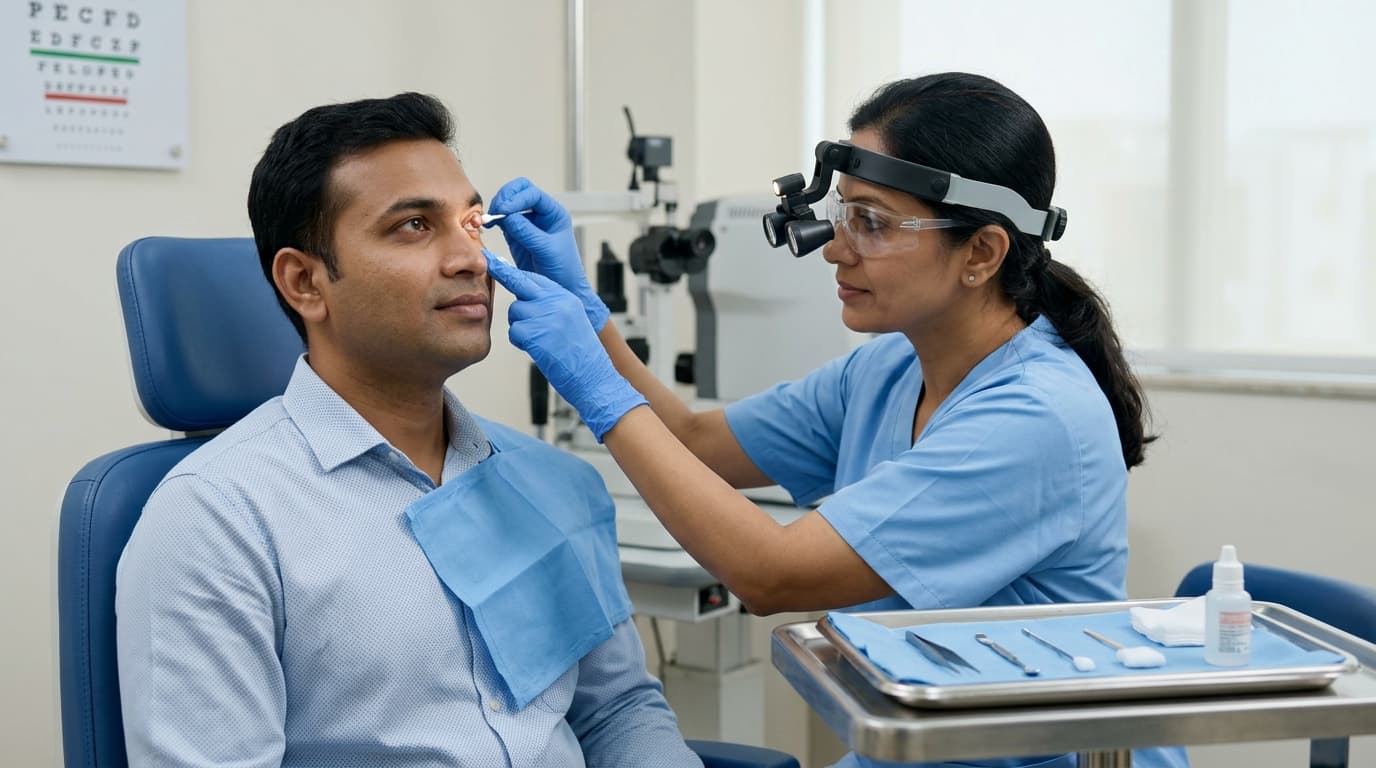
A firm, round, and well-circumscribed swelling appears within the eyelid without significant tenderness on palpation. This distinguishes chalazion from an acute stye, which is typically painful.
■UNDERSTANDING THE CONDITION
A chalazion forms when a meibomian gland — one of the roughly 30 oil-secreting glands embedded within each eyelid — becomes blocked, preventing normal lipid secretion from reaching the tear film. The retained secretions thicken and accumulate within the gland, triggering a localised chronic granulomatous inflammatory response that manifests as a firm, round lump within the eyelid tissue.
The condition most commonly develops in the upper eyelid, though lower eyelid involvement is also seen. The lump is typically non-tender and smooth on palpation, distinguishing it from a stye, which is acutely painful due to active infection. Chalazia may initially begin as a stye that fails to resolve completely, transitioning into a chronic inflammatory cyst as assessed by an eye specialist in Delhi.
Without appropriate management, a chalazion may persist for months or gradually enlarge, potentially pressing against the corneal surface and inducing astigmatism or blurred vision. Recurrent chalazia in the same location warrant investigation to rule out rare eyelid sebaceous cell carcinoma.
Chalazion involves the meibomian glands situated within the tarsal plate of the eyelid. These glands play a critical role in producing the lipid layer of the tear film that prevents tear evaporation. When blocked, the retained secretion causes a focal inflammatory reaction within the eyelid tissue, as routinely assessed at an eye hospital in Delhi.
A chalazion is a chronic granulomatous inflammatory lesion of the eyelid. Its distinguishing characteristics are:
■CLINICAL PRESENTATION
Chalazion typically presents insidiously with a slow-growing eyelid swelling. The following features are characteristic:
Painless Eyelid Lump
A firm, round, and well-circumscribed swelling appears within the eyelid without significant tenderness on palpation. This distinguishes chalazion from an acute stye, which is typically painful.
Gradual Increase in Size
The lump may slowly enlarge over several weeks. Larger chalazia can become cosmetically noticeable and may begin to press on the underlying eyeball.
Mild Eyelid Swelling
The surrounding eyelid tissue may appear subtly swollen or thickened due to local inflammatory changes within the tarsal plate.
Pressure or Heaviness of the Eyelid
As the chalazion enlarges, patients may experience a sensation of weight or pressure on the eyelid, which can become mildly uncomfortable.
Blurred Vision
Large chalazia can exert mechanical pressure on the corneal surface, inducing temporary astigmatism and blurred or distorted vision that resolves once the lump is treated.
Cosmetic Concern
A visible lump on the upper or lower eyelid may cause concern regarding appearance, particularly if it has been present for several weeks without resolution.
These features may indicate complications, secondary infection, or an alternative diagnosis requiring prompt specialist assessment:
Persistent Lump Not Resolving
Within 1 weekA chalazion persisting beyond 4–6 weeks without any signs of reduction should be formally evaluated to confirm diagnosis and determine the most appropriate treatment approach.
Blurred or Distorted Vision
Immediate evaluationVisual changes caused by corneal pressure from a large chalazion, or an associated intraocular condition, require urgent ophthalmic assessment to protect visual acuity.
Rapid or Unusual Growth
Within 1 weekAn unusually rapid increase in the size of the lump, or a change in its texture and borders, may warrant biopsy to exclude rare malignant eyelid lesions such as sebaceous cell carcinoma.
Pain or Acute Redness
Within 1 weekNew-onset pain or increasing redness around an existing chalazion may signal secondary bacterial infection (formation of a secondary stye) requiring antibiotic therapy.
Recurrent Chalazion in Same Site
Urgent assessmentRepeated formation of a chalazion at the identical eyelid location, particularly in older adults, should be evaluated histopathologically to rule out sebaceous gland carcinoma.

Ask yourself these questions to determine if medical evaluation is needed:
If you answered "yes" to any of these questions, an evaluation by an eyelid specialist in Delhi is recommended to confirm the diagnosis and discuss the most appropriate management.
■TRIGGERS & ROOT CAUSES
Chalazion formation is strongly influenced by eyelid hygiene habits and lifestyle factors that affect meibomian gland function:
Poor Eyelid Hygiene
HighFailure to clean the eyelid margins regularly allows the accumulation of oil, dead skin cells, and debris at the gland openings. This progressive buildup eventually obstructs the meibomian gland ducts, initiating the inflammatory process that leads to chalazion formation.
Chronic Blepharitis
HighPersistent eyelid margin inflammation alters the composition and viscosity of meibomian gland secretions, making them thicker and more prone to obstruction. Inadequate treatment of blepharitis is the most common reason for recurrent chalazia.
Frequent Eye Rubbing
HighHabitual rubbing of the eyelids, often driven by allergy, fatigue, or digital eye strain, disrupts gland duct openings and may introduce bacteria. This increases the risk of both gland blockage and secondary infection overlying a chalazion.
Improper Eye Makeup Use
ModerateApplying heavy cosmetics such as eyeliner and mascara to the inner lid margin, or failing to remove eye makeup thoroughly before sleep, can physically obstruct meibomian gland orifices and predispose to chalazion formation.
Poor Contact Lens Hygiene
ModerateHandling lenses with unwashed hands or wearing them beyond recommended durations can introduce irritants and micro-organisms to the eyelid margins, indirectly increasing the likelihood of meibomian gland obstruction.
Hormonal Imbalance and Poor General Health
LowHormonal fluctuations may alter sebaceous gland secretion quality and consistency, increasing the risk of blockage. Poor diet, dehydration, and high stress levels may also affect gland function and oil quality.
Specific ocular conditions and environmental exposures directly impair meibomian gland function and increase chalazion susceptibility:
Meibomian Gland Dysfunction (MGD)
Dysfunction of the meibomian glands, characterised by abnormal secretion quality or reduced output, is the primary ocular predisposing factor for chalazion, as it directly promotes gland obstruction.
Thickened or Abnormal Oil Secretions
Meibum that is too thick or waxy in consistency cannot flow freely through the gland orifices, predisposing to progressive blockage and subsequent inflammatory cyst formation.
Eyelid Margin Inflammation
Any chronic inflammatory process at the eyelid margins — including seborrhoeic blepharitis or rosacea-related eyelid changes — promotes gland obstruction and reduces the threshold for chalazion formation.
Environmental Dust and Pollution
Airborne particulate matter deposits on eyelid margins and can physically block gland openings, particularly in urban environments with high levels of vehicle and industrial pollution.
Dry Eye Syndrome
Meibomian gland dysfunction and dry eye are closely interrelated; impaired gland function reduces tear film stability, while persistent dry eye further stresses gland physiology, creating a self-perpetuating cycle.
Certain systemic and dermatological conditions are associated with increased risk of chalazion formation:
Blepharitis
Chronic anterior or posterior eyelid margin inflammation is the most consistently associated condition, directly increasing meibomian gland obstruction risk and chalazion recurrence rates.
Rosacea
Ocular rosacea causes meibomian gland inflammation and abnormal secretion quality, making affected individuals highly susceptible to recurrent chalazia.
Diabetes Mellitus
Diabetic patients have altered immune responses and impaired tissue healing, which may increase susceptibility to glandular obstruction and inflammatory eyelid conditions.
Hormonal Disorders
Conditions affecting androgen levels — which regulate meibomian gland secretory activity — may alter gland function and increase the likelihood of chalazion formation.
Seborrhoeic Dermatitis
Overactive sebaceous glands associated with this skin condition increase oily secretion load at the eyelid margins, directly contributing to gland obstruction and chalazion development.
■CLINICAL EVALUATION
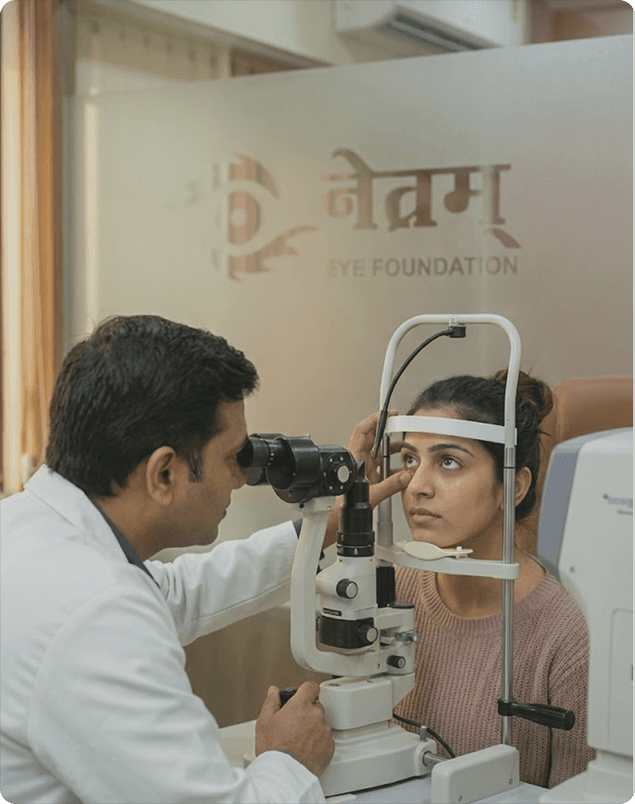
Chalazion diagnosis is primarily clinical, based on careful eyelid examination. Your specialist will assess:
■MANAGEMENT & TREATMENT
Apply Warm Compresses
Applying a clean warm compress (40–45°C) to the affected eyelid for 5–10 minutes, four times daily, softens the retained secretion, promoting spontaneous drainage and resolution of small chalazia.
Maintain Regular Eyelid Hygiene
Gently cleaning eyelid margins daily with diluted baby shampoo or prescribed eyelid wipes removes accumulated oil and debris, reducing the risk of gland blockage and recurrence.
Avoid Eye Rubbing
Refraining from rubbing the eyelids prevents further mechanical disruption of gland openings and reduces the risk of introducing bacteria that could convert a chalazion into an acute stye.
Remove Eye Makeup Thoroughly
Using gentle makeup removers to completely cleanse eyelid margins before sleep prevents cosmetic products from obstructing meibomian gland orifices and contributing to new chalazion formation.
Use Prescribed Medications
Antibiotic-steroid ointments prescribed by your ophthalmologist can reduce inflammation and accelerate resolution of chalazion, particularly when commenced early in the course of the condition.
Attend Regular Follow-Up Appointments
Scheduled follow-up visits allow your specialist to monitor chalazion resolution, assess response to treatment, and plan further intervention if the lump fails to resolve within the expected timeframe.
Intralesional Corticosteroid Injection
For persistent or moderate-sized chalaziaInjection of triamcinolone acetonide directly into the chalazion reduces granulomatous inflammation and promotes resolution without incision. Effective in 70–80% of cases and may be repeated if the first injection provides partial response.
Incision and Curettage
For large or non-resolving chalaziaA minor surgical procedure performed under local anaesthesia in which the chalazion is incised from the inner surface of the eyelid and the retained contents are curetted. Highly effective with a low recurrence rate when combined with eyelid hygiene.
Antibiotic-Steroid Topical Therapy
For early or mildly inflamed lesionsCombination antibiotic-corticosteroid ointment applied to the eyelid margin reduces local inflammation and bacterial load, particularly useful in the early stages or when blepharitis coexists.

■SURGICAL INTERVENTION
Surgery for chalazion — incision and curettage — is a straightforward minor eyelid procedure performed under local anaesthesia as a day case. It is typically recommended when a chalazion fails to resolve after 4–6 weeks of warm compresses and eyelid hygiene, when the lesion is causing visual disturbance, or when it is cosmetically unacceptable to the patient.
The procedure involves a small internal incision on the conjunctival surface of the eyelid, leaving no visible external scar. Recovery is rapid and most patients return to normal activities within 24–48 hours. At Netram Eye Foundation in Delhi, chalazion surgery is performed with precision and care, with comprehensive post-operative support to minimise recurrence and ensure optimal eyelid health.
■ALL YOUR QUESTIONS ANSWERED
A chalazion forms when a meibomian gland in the eyelid becomes blocked, preventing its normal oily secretion from draining onto the tear film. The retained, thickened oil triggers a localised granulomatous inflammatory reaction, forming a firm, painless cyst within the eyelid tissue. Contributing factors include poor eyelid hygiene, chronic blepharitis, rosacea, and frequent eye rubbing. Unlike a stye, which results from acute bacterial infection, a chalazion is a chronic inflammatory lesion without active infection.
A typical chalazion is painless or causes only mild pressure discomfort as it enlarges. This is one of the features that distinguishes it from an acute stye (hordeolum), which is acutely tender due to active bacterial infection. However, if a chalazion becomes secondarily infected, it may develop into a painful, red, and swollen lesion resembling a stye. In such cases, antibiotic treatment is required in addition to standard chalazion management.
Small chalazia may spontaneously resolve over several weeks, particularly with consistent application of warm compresses and regular eyelid hygiene. However, larger or longer-standing lesions are less likely to resolve without intervention. A chalazion that has been present for more than 4–6 weeks without any reduction in size should be evaluated by an ophthalmologist to determine whether medical treatment or a minor surgical procedure is appropriate.
No. Although they both involve eyelid swelling, a chalazion and a stye are distinct conditions. A stye (hordeolum) is an acute, painful infection of either the Zeis glands at the eyelid margin (external stye) or the meibomian glands (internal stye), usually caused by Staphylococcus aureus. A chalazion, by contrast, is a chronic, painless, non-infectious inflammatory cyst caused by blocked meibomian gland secretions. A stye may precede or transition into a chalazion if it fails to resolve completely.
Recurrent chalazion typically indicates an underlying predisposing condition such as chronic blepharitis, meibomian gland dysfunction, rosacea, or seborrhoeic dermatitis. Inadequate eyelid hygiene, continued use of eye makeup that blocks gland openings, or failure to treat underlying skin conditions allow the same glands to repeatedly become obstructed. A recurrent chalazion at the same eyelid site in an older adult warrants biopsy to exclude sebaceous cell carcinoma.
You should consult an ophthalmologist if the eyelid lump persists beyond 4–6 weeks despite warm compresses, if it is growing rapidly, if you notice blurred or distorted vision, if the lesion becomes painful or red suggesting secondary infection, or if you have had recurrent chalazia at the same location. Early specialist review ensures an accurate diagnosis, appropriate treatment selection, and guidance on long-term eyelid hygiene to reduce the likelihood of recurrence.
Still have questions? Our team is here to help.
Schedule Consultation
REQUEST AN APPOINTMENT