White or Grey Spot in the Pupil
One of the most noticeable signs is a white or grey opacity in the pupil. Normally the pupil appears black, but a cloudy lens may cause it to look white or reflective when light falls on the eye.

■UNDERSTANDING THE CONDITION
Congenital cataract is a condition in which the natural lens of the eye becomes cloudy during fetal development, at birth, or during early childhood. The crystalline lens normally focuses light precisely onto the retina, enabling the brain to interpret clear images. When the lens becomes opaque, light entering the eye is scattered or blocked.
In infants and young children, this prevents normal visual stimulation of the brain and may lead to amblyopia (lazy eye) or other vision development problems if left untreated. The first few years of life are critical for visual development, as the brain relies on clear visual input to establish and strengthen neural connections. As highlighted by specialists at a pediatric eye clinic in Delhi, early intervention is therefore essential.
The severity of congenital cataracts varies widely. Some children may have very small lens opacities that do not significantly affect vision and only require monitoring, while others may have dense cataracts that obstruct the visual axis and require prompt surgical treatment followed by visual rehabilitation.
The crystalline lens, located behind the iris and pupil, focuses light onto the retina so that images appear clear. In congenital cataract, this lens becomes partially or completely cloudy, preventing light from reaching the retina properly and interfering with the development of clear vision during infancy.
Congenital cataract is a developmental eye condition affecting vision during infancy and childhood. Key characteristics include:
■CLINICAL PRESENTATION
Congenital cataracts may be detected during newborn screening or noticed by parents as the child grows and begins interacting with the visual environment:
White or Grey Spot in the Pupil
One of the most noticeable signs is a white or grey opacity in the pupil. Normally the pupil appears black, but a cloudy lens may cause it to look white or reflective when light falls on the eye.
Poor Visual Tracking
Infants with congenital cataracts may have difficulty following objects, faces, or lights with their eyes because the cloudy lens prevents clear visual signals from reaching the brain.
Nystagmus (Involuntary Eye Movements)
Some children develop repetitive, uncontrolled eye movements called nystagmus when the brain does not receive adequate clear visual input during development.
Strabismus (Eye Misalignment)
Misalignment of the eyes may develop when one eye receives weaker visual signals due to cataract, causing the affected eye to drift inward, outward, or in another direction.
Reduced Visual Response
Parents may notice that the child does not respond normally to visual stimuli such as bright toys, moving objects, or familiar faces.
Sensitivity to Bright Light
Some children with congenital cataracts may squint or close their eyes in bright light because the cloudy lens scatters incoming light and causes discomfort.
These signs require immediate pediatric ophthalmological evaluation, as delayed treatment can permanently affect visual development:
White Reflex in the Pupil (Leukocoria)
Immediate evaluationA white reflection in the pupil — instead of the normal red reflex in photographs — is a critical warning sign requiring urgent ophthalmic evaluation.
Rapid Involuntary Eye Movements (Nystagmus)
Immediate evaluationPersistent uncontrolled eye movements may occur when the brain does not receive adequate visual stimulation and indicate significant visual impairment.
Persistent Eye Misalignment
Same day evaluationIf a child's eyes remain misaligned beyond early infancy, it may indicate that one eye is not receiving clear visual signals due to cataract.
Lack of Eye Contact with Caregivers
Within 1 weekInfants usually begin making eye contact within the first few months. Lack of visual engagement may indicate impaired vision requiring evaluation.
Poor Visual Attention or Response
Within 1 weekIf a child does not respond to bright toys, faces, or visual stimulation according to developmental milestones, visual impairment should be assessed.

Ask yourself these questions about your child to determine if pediatric eye evaluation is needed:
If you answered "yes" to any of these questions, seek an immediate evaluation at a pediatric eye hospital in Delhi — early treatment is critical for protecting your child's vision.
■TRIGGERS & ROOT CAUSES
Congenital cataracts may develop due to genetic factors, infections during pregnancy, metabolic disorders, or developmental abnormalities of the lens:
Genetic Factors
HighMany congenital cataracts occur due to inherited genetic mutations affecting lens development. These mutations can alter lens proteins and cause them to become cloudy during fetal growth.
Infections During Pregnancy
HighMaternal infections such as rubella, cytomegalovirus, or toxoplasmosis may interfere with normal eye development in the fetus and lead to cataract formation.
Metabolic Disorders
HighConditions such as galactosemia affect how the body processes sugars and nutrients, leading to accumulation of harmful substances in the lens and early clouding.
Premature Birth
ModeratePremature infants may have a higher risk of developmental eye problems affecting lens clarity due to incomplete ocular development at the time of birth.
Developmental Abnormalities
ModerateAbnormal formation of the lens during fetal development can result in congenital cataract even in the absence of infection or metabolic disease.
Unknown or Idiopathic Causes
LowIn some cases, congenital cataracts occur without any identifiable genetic, infectious, or metabolic cause.
Several ocular and prenatal environmental factors contribute to the risk of congenital cataract:
Genetic Syndromes
Certain genetic syndromes affecting overall development, such as Down syndrome, may also involve abnormalities of the eye lens.
Maternal Illness During Pregnancy
Maternal health conditions beyond infections — including uncontrolled diabetes or autoimmune diseases — may influence fetal eye development.
Nutritional Deficiencies During Pregnancy
Poor maternal nutrition may affect fetal growth and development, including the developing structures of the eye.
Exposure to Certain Medications
Some medications taken during pregnancy, including certain steroids or anti-epileptics, may interfere with normal lens development.
Environmental Toxins
Rare exposure to certain environmental toxins during pregnancy may affect the development of the baby's eyes and contribute to lens clouding.
Certain systemic and genetic conditions are associated with an increased risk of congenital cataract:
Galactosemia
This metabolic disorder affects galactose metabolism and can cause early, severe lens clouding if not detected and treated promptly after birth.
Chromosomal Abnormalities
Some chromosomal disorders, including trisomy 21 (Down syndrome), may include cataracts as part of broader developmental eye abnormalities.
Intrauterine Infections
Infections acquired in utero (TORCH infections) including rubella, cytomegalovirus, herpes, and toxoplasmosis are well-established causes of congenital cataract.
Systemic Developmental Disorders
Some congenital conditions affecting multiple organs may also involve abnormalities in the eye lens as part of a broader syndrome.
■CLINICAL EVALUATION
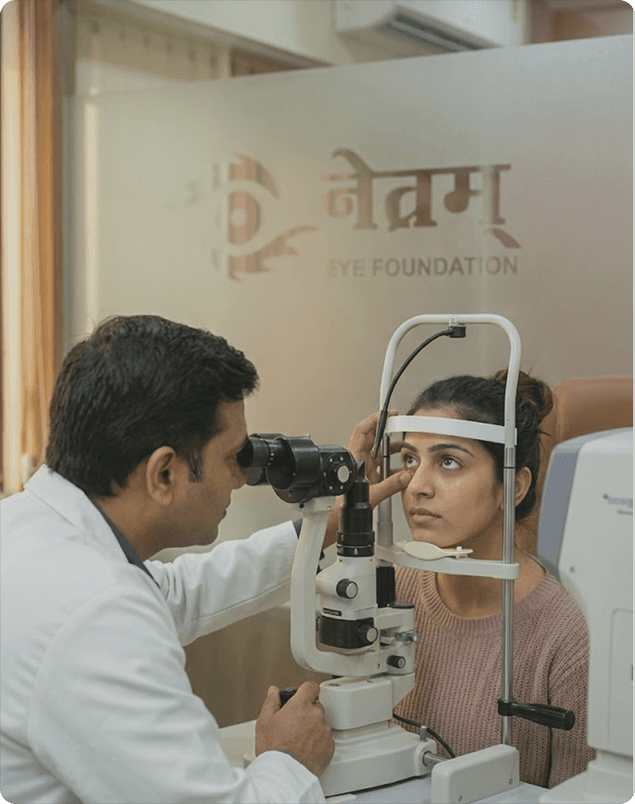
Congenital cataracts are diagnosed through a comprehensive pediatric eye examination by a specialised ophthalmologist:
■MANAGEMENT & TREATMENT
Regular Pediatric Eye Examinations
Routine eye examinations allow doctors to monitor visual development, detect abnormalities early, and adjust treatment as the child grows.
Early Visual Stimulation
Encouraging babies to visually engage with brightly coloured toys, faces, and movement supports the development of visual brain pathways.
Corrective Eyewear
Glasses or contact lenses may be recommended after surgery to help the treated eye achieve proper focus and support visual development.
Amblyopia Therapy (Patching)
If one eye develops weaker vision, patching the stronger eye encourages the brain to use and strengthen the treated eye's visual pathways.
Parental Observation and Reporting
Parents play a vital role in noticing changes in their child's visual behaviour and reporting them promptly to the treating ophthalmologist.
Regular Follow-Up Care
Consistent follow-up visits ensure proper visual development is monitored and any secondary complications such as glaucoma are detected early.
Observation and Monitoring
For small, non-visually significant cataractsSmall cataracts that do not obstruct the visual axis may only require regular monitoring with serial eye examinations.
Pediatric Cataract Surgery
For visually significant cataractsSurgical removal of the cloudy lens is required when the cataract blocks the visual axis. Surgery is typically performed in the first weeks to months of life for dense cataracts.
Optical Rehabilitation
Post-surgical visual correctionFollowing surgery, optical correction with glasses or contact lenses is essential to enable the eye to focus properly and support visual development.
Intraocular Lens Implantation
Selected cases in older childrenIn older children, an intraocular lens may be implanted during surgery to correct focus, particularly when contact lens wear is impractical.

■SURGICAL INTERVENTION
When a congenital cataract significantly obstructs the visual axis, prompt surgical removal is essential to allow light to reach the retina and prevent permanent amblyopia. The timing of surgery is critical — dense unilateral cataracts typically require surgery within the first 6–10 weeks of life to maximise the potential for normal visual development. Following surgery, optical rehabilitation and amblyopia treatment must continue diligently for several years.
Not every congenital cataract requires immediate surgery — small, partial, or peripheral opacities may be monitored. However, visually significant cataracts must be treated urgently. At Netram Eye Foundation in Delhi, pediatric cataract surgery is performed using specialised microsurgical techniques designed for infant and child eyes, with a comprehensive rehabilitation programme to support the best possible visual outcomes.
■ALL YOUR QUESTIONS ANSWERED
Yes. Congenital cataracts are present at birth or develop during early infancy. They may occur due to genetic factors, infections during pregnancy, metabolic disorders, or developmental abnormalities of the lens. In some cases, the cause cannot be identified. Newborn eye screening is designed to detect conditions such as cataracts early, as timely identification is critical for protecting a child's visual development.
Yes. With early diagnosis and appropriate treatment, the outcomes for children with congenital cataracts can be very positive. Visually significant cataracts are treated surgically, followed by optical rehabilitation with glasses or contact lenses and amblyopia therapy. The earlier treatment begins — particularly for dense unilateral cataracts — the greater the chance of achieving good functional vision. Regular follow-up and compliance with rehabilitation are essential components of treatment.
Not always. Small cataracts that do not obstruct the visual axis may only require regular monitoring to ensure they are not affecting vision development. Surgery is recommended when the cataract is dense, centrally located, and visually significant — meaning it prevents adequate light from reaching the retina. The decision is based on the size, location, and density of the opacity, as well as the impact on the child's visual behaviour.
For visually significant unilateral cataracts, surgery is ideally performed within the first 6–10 weeks of life to prevent irreversible amblyopia. Bilateral cataracts may be approached slightly differently. The decision on timing must balance the risks of general anaesthesia in young infants against the risks of delaying treatment. Your pediatric ophthalmologist will advise on the optimal timing based on the nature and severity of the cataract.
With early treatment and consistent rehabilitation, many children achieve good functional vision. However, outcomes depend on several factors including the severity of the cataract, the timing of surgery, adherence to optical correction and amblyopia therapy, and the presence of any associated eye conditions. Children with bilateral cataracts treated early and followed up diligently generally have better visual outcomes than those with untreated or late-treated unilateral cataracts.
Congenital cataracts are often detected during routine newborn eye screening by checking the red reflex — the normal reddish-orange reflection seen when light is shone into the eye. Absence or asymmetry of the red reflex (leukocoria) is a warning sign that should prompt referral to an ophthalmologist. Parents may also notice signs such as a white or cloudy pupil, poor visual tracking, eye misalignment, or lack of response to visual stimuli.
Still have questions? Our team is here to help.
Schedule Consultation
REQUEST AN APPOINTMENT