Forward displacement of the eyeball is one of the most recognisable signs of an orbital mass. The growing tumor pushes the eye anteriorly out of the socket, creating a visible difference in eye prominence between the two sides.

Orbital Tumor
■UNDERSTANDING THE CONDITION
What Is an Orbital Tumor?
An orbital tumor is any abnormal growth or mass that develops within the orbit — the bony cavity housing the eyeball, muscles, nerves, blood vessels, and connective tissues. Because the orbit is a confined, rigid space, even a small tumor can exert significant pressure on surrounding structures, causing symptoms such as forward displacement of the eye (proptosis), double vision, restricted eye movement, and progressive vision changes.
Orbital tumors may arise from the tissues native to the orbit itself — including fat, muscle, lacrimal gland, or nerves — or they may spread secondarily from adjacent regions such as the paranasal sinuses, brain, or distant organs via metastasis. This diversity in origin means orbital tumors encompass a wide range of pathological entities, from slowly growing benign dermoid cysts and cavernous hemangiomas in children to aggressive malignancies such as rhabdomyosarcoma, lymphoma, and metastatic carcinoma in adults.
The clinical approach to orbital tumors requires a combination of thorough clinical examination, high-resolution imaging (CT and MRI), and often tissue biopsy to determine the exact nature of the lesion before treatment is planned. At Netram Eye Foundation, Greater Kailash II, New Delhi, our multidisciplinary team of orbital specialists and oncologists uses state-of-the-art diagnostics to accurately classify orbital tumors and guide timely, vision-preserving treatment.
Part of Eye Affected
Orbital tumors affect the orbit (eye socket) and its surrounding structures — the extraocular muscles, optic nerve, lacrimal gland, and periorbital connective tissues that together control eye movement, alignment, and visual function. The confined bony space of the orbit means that any mass, however small, can alter the position and function of the eye.
Nature of Condition
Orbital tumors are space-occupying lesions within the orbit that displace or compress critical structures. Their clinical behaviour depends on their tissue of origin, growth rate, and malignant potential. Key characteristics include:
- Growth within the confined bony eye socket causing progressive pressure
- Possible anterior displacement of the eyeball (proptosis or exophthalmos)
- Restriction of extraocular muscle function leading to double vision
- Potential optic nerve compression with risk of irreversible vision loss
- May be benign (slow-growing, non-invasive) or malignant (aggressive, invasive)
■CLINICAL PRESENTATION
Symptoms & Early Warning Signs
Typical Symptoms
Symptoms of orbital tumors develop gradually or rapidly depending on the type and growth rate of the lesion. The orbit's rigid walls mean that even moderate enlargement of a mass quickly translates into noticeable physical and functional changes.
Forward displacement of the eyeball is one of the most recognisable signs of an orbital mass. The growing tumor pushes the eye anteriorly out of the socket, creating a visible difference in eye prominence between the two sides.
Tumors that involve or displace the extraocular muscles interfere with coordinated eye movement, causing the two eyes to point in slightly different directions and resulting in overlapping or doubled images.
Patients frequently describe a dull ache, a sensation of fullness, or frank pain behind or around the eye. This discomfort arises from the tumor stretching orbital periosteum or compressing sensory nerves within the confined space.
Blurred, distorted, or reduced vision may develop when the expanding mass compresses the optic nerve or distorts the posterior globe, impairing the transmission of visual signals to the brain.
Enlargement of the tumor or associated inflammatory response can produce visible puffiness or fullness of the upper or lower eyelid and the tissues surrounding the eye socket.
Involvement or mechanical restriction of the extraocular muscles limits the eye's range of motion in one or more directions, causing the patient difficulty looking up, down, or to the sides.
Red Flag Symptoms
The following symptoms indicate significant tumor progression or optic nerve compromise. Do not delay seeking specialist evaluation if any of these warning signs appear.
Immediate evaluation
Sudden or rapidly increasing proptosis suggests aggressive tumor growth, haemorrhage within the orbit, or the rapid expansion of a malignant lesion that demands urgent orbital imaging and specialist review.
Immediate evaluation
Abrupt loss of vision in one eye may indicate acute compression of the optic nerve by the expanding mass. This is a sight-threatening emergency that requires immediate assessment and intervention.
Within 1 week
Continuous or worsening pain around the eye that does not resolve with simple analgesics may reflect tumor progression, nerve involvement, or inflammatory changes requiring prompt specialist evaluation.
Within 1 week
The combination of diplopia and limited ocular duction indicates direct muscle involvement or significant mechanical displacement by the orbital mass, warranting timely imaging and specialist consultation.
Within 1 week
Swelling accompanied by erythema of the eyelids or conjunctiva may indicate an inflammatory or rapidly growing vascular tumor, and should be evaluated to exclude malignancy or orbital cellulitis.
Immediate evaluation
Any steady progression of proptosis, pain, or visual dysfunction over days to weeks suggests uncontrolled tumor growth and should not be attributed to benign causes without specialist confirmation.

Self-Assessment Guide
Ask yourself these questions to determine if medical evaluation is needed:
- Have you noticed one eye appearing more prominent or protruding forward compared to the other?
- Are you experiencing double vision or difficulty moving your eye fully in any direction?
- Do you feel persistent pressure, aching, or pain behind or around one eye?
- Have you noticed any blurring or reduction in vision in one eye over recent weeks?
- Is there visible swelling, puffiness, or a change in the contour of your eyelid or the area around your eye socket?
If you answered yes to any of these questions, early specialist assessment is strongly recommended. Contact Netram Eye Foundation in Delhi for a comprehensive orbital evaluation and personalised care plan.
■TRIGGERS & ROOT CAUSES
Causes & Risk Factors
Primary Lifestyle Triggers
While orbital tumors are primarily driven by cellular and biological factors, certain behavioural patterns and lifestyle choices can delay diagnosis, accelerate progression, or worsen outcomes for affected individuals.
High
Early symptoms such as mild periorbital swelling, a slight feeling of eye heaviness, or barely perceptible proptosis are frequently dismissed as fatigue or seasonal allergy. Because the orbit is a rigid enclosed space, even small tumors can progressively compromise vision if not evaluated promptly. Individuals who defer specialist consultation allow the mass additional time to grow and encroach on critical structures.
High
Gradual changes in eye position, eyelid contour, or facial symmetry may be overlooked or rationalised as normal ageing. These subtle, slowly evolving signs often represent the earliest manifestation of an underlying orbital pathology. Failure to recognise and act on such asymmetry can allow tumors to reach an advanced stage before diagnosis.
Moderate
General public awareness of orbital tumors is very limited. Symptoms such as double vision, pressure sensation, or periorbital fullness are commonly attributed to stress, sinus congestion, or eyestrain, leading individuals to seek non-specialist care or self-treat, significantly delaying accurate diagnosis and appropriate management.
High
Eye discomfort, intermittent diplopia, and mild swelling are sometimes managed with over-the-counter remedies or ignored for extended periods. Each week of delay can allow the tumor to grow, potentially involving the optic nerve or extraocular muscles and making treatment more complex and outcomes less favourable.
Moderate
Chronic or repeated exposure to industrial chemicals, ionising radiation, or environmental pollutants has been associated with abnormal cellular proliferation in various tissues. While not a direct or sole cause of orbital tumors, cumulative environmental exposure may incrementally raise overall risk, particularly in individuals with other predisposing factors.
Moderate
Conditions such as thyroid disease, lymphoma, systemic cancer, and immunodeficiency are linked to orbital involvement. Inadequate monitoring or delayed diagnosis of these systemic disorders may increase the risk of secondary orbital complications, and patients with known malignancies should be alert to any new orbital symptoms.
Ocular & Environmental Factors
Orbital tumors can originate from a range of tissues within and adjacent to the orbit, and various local and environmental factors influence their development and behaviour.
Masses may arise from the orbital fat, lacrimal gland, extraocular muscles, optic nerve sheath, or periorbital connective tissues. Common examples include dermoid cysts, cavernous hemangiomas, optic nerve gliomas, and lacrimal gland tumors, each presenting with distinct clinical and imaging characteristics.
Tumors originating in the paranasal sinuses, intracranial compartment, or skin of the eyelid may directly invade the orbit through bony walls or anatomical foramina. Recognising this mechanism is important because treatment must address both the orbital extension and the primary site.
Non-infectious orbital inflammatory conditions such as idiopathic orbital inflammation (orbital pseudotumor) or IgG4-related orbital disease can closely mimic true neoplasia. In some cases, persistent inflammation may predispose orbital tissues to neoplastic transformation over time.
Significant orbital trauma may lead to structural changes within the orbit, including scar tissue formation or displaced bony fragments that alter the orbital environment and, in rare cases, create conditions conducive to abnormal tissue growth.
Previous therapeutic radiation to the head, neck, or orbit — used for treating other malignancies — is a recognised risk factor for subsequent radiation-induced orbital tumors, particularly sarcomas, which may present years to decades after the original treatment.
Certain orbital tumors show a strong age-related predilection. Dermoid cysts and capillary hemangiomas are more common in children, while cavernous hemangiomas, lymphomas, and metastatic lesions predominate in middle-aged and older adults, reflecting changes in orbital tissue biology across the lifespan.
Underlying Medical Conditions
Several systemic and oncological conditions are directly associated with orbital tumor development or secondary orbital involvement, and patients with these diagnoses require heightened vigilance for orbital symptoms.
Autoimmune inflammation of the orbital tissues in thyroid eye disease causes enlargement of extraocular muscles and orbital fat expansion, producing proptosis and restricted eye movement that may mimic or coexist with orbital neoplasia.
Lymphoma is one of the most common malignant orbital tumors in adults. It typically presents as a painless, salmon-coloured subconjunctival or orbital mass and requires systemic oncological staging alongside local orbital management.
Cancers of the breast, lung, prostate, and gastrointestinal tract are among the most frequent sources of orbital metastases. The orbit may be the first site where systemic malignancy becomes symptomatic, making thorough systemic work-up essential.
Squamous cell carcinoma and other malignant tumors of the ethmoid, maxillary, or frontal sinuses may erode through the orbital walls and invade the orbital space, presenting with proptosis, orbital pain, and displaced vision.
Conditions such as cavernous hemangioma (the most common benign orbital tumor in adults), capillary hemangioma, lymphangioma, and arteriovenous malformations involve abnormal vascular proliferation within the orbit and may enlarge progressively, particularly with hormonal changes or haemorrhagic episodes.
■CLINICAL EVALUATION
How Is an Orbital Tumor Diagnosed?
Initial Consultation
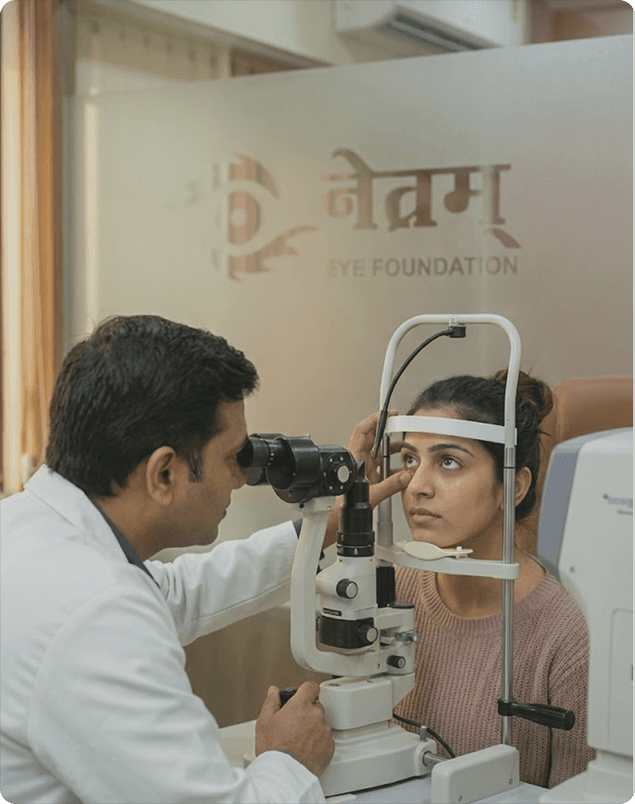
A thorough initial evaluation establishes the baseline clinical picture and guides subsequent imaging and biopsy decisions. At Netram Eye Foundation, the orbital assessment protocol includes:
- Visual acuity testing to document current and baseline visual function in both eyes
- Hertel exophthalmometry to objectively measure the degree of proptosis and track changes over time
- Ocular motility assessment to identify restricted or painful eye movements indicating muscle involvement
- Dilated fundus examination to evaluate the optic disc for swelling, pallor, or compression-related changes
- Neurological assessment including pupillary reflexes, colour vision, and visual field testing to detect early optic nerve compromise
Diagnostic Timeframe
Initial Consultation20–30 min
Comprehensive Eye Examination30–45 min
Advanced Testing (if required)20 min
Treatment PlanningSame day
■MANAGEMENT & TREATMENT
Treatment Options for Orbital Tumor
Self-Care & Lifestyle Modifications
Monitor Early Symptoms
Keep a simple daily log of any changes in eye position, vision, or comfort. Tracking subtle changes — such as increasing eyelid fullness or minor visual blurring — helps you detect progression and provides your specialist with valuable clinical history to guide treatment decisions.
Seek Timely Medical Advice
Do not wait for symptoms to become severe before consulting an orbital specialist. Early evaluation allows smaller, more accessible lesions to be diagnosed and treated before they involve the optic nerve or extraocular muscles, offering the best chance of preserving full vision and function.
Maintain Overall Health
Good general health supports both treatment response and post-operative recovery. A nutritious diet, adequate sleep, regular gentle exercise, and avoidance of smoking contribute to stronger immune function and better wound healing for patients undergoing orbital surgery or radiation.
Avoid Delay in Treatment
Once an orbital tumor is diagnosed, adhere closely to your specialist's recommended treatment timeline. Delays in initiating surgery, radiation, or chemotherapy — particularly for malignant lesions — can allow significant tumor growth, increasing procedural complexity and reducing the probability of a favourable visual outcome.
Follow Specialist Recommendations
Comply fully with prescribed medications, pre-operative preparations, and post-treatment care instructions. For patients receiving systemic therapy such as chemotherapy, adherence to the treatment schedule and prompt reporting of side effects ensures the regimen remains effective and safe.
Attend Regular Follow-Up Appointments
Orbital tumors — even those successfully treated — require long-term monitoring for recurrence, treatment-related changes, or new orbital symptoms. Scheduled follow-up visits with repeat imaging allow early detection of any changes before they affect vision or orbital integrity.
Medical Treatments
First-line for select benign lesions
For small, slow-growing benign tumors (such as cavernous hemangiomas) that are not affecting vision or comfort, watchful waiting with periodic clinical examination and interval imaging may be the most appropriate management strategy, avoiding unnecessary intervention while remaining alert to progression.
Medical management
For inflammatory orbital pseudotumors and certain lymphoproliferative conditions, systemic corticosteroids can produce rapid and dramatic reduction in orbital inflammation and mass effect. The response to steroids also serves a diagnostic function, helping differentiate inflammatory from true neoplastic lesions.
Selected cases
External beam radiotherapy or stereotactic radiosurgery is used for orbital lymphomas, certain benign tumors not amenable to surgery, and as adjuvant treatment after surgical excision of malignant lesions. Radiation precisely targets tumor cells while aiming to minimise dose to adjacent critical structures including the lens and optic nerve.
Malignant tumors
Malignant orbital tumors — particularly lymphoma, rhabdomyosarcoma, and metastatic disease — require systemic treatment with chemotherapy and, where applicable, targeted biological agents. Treatment is coordinated with oncologists and tailored to the tumor's histological type and molecular profile.

■SURGICAL INTERVENTION
Is Surgery Required?
Surgical Management of Orbital Tumors
Surgery is indicated when an orbital tumor is causing progressive proptosis, restriction of eye movement, vision impairment from optic nerve compression, or when biopsy is required for definitive histological diagnosis. The surgical approach depends on tumor location within the orbit: anterior lesions may be accessed through a transconjunctival or eyelid incision, while deeper posterior tumors may require a lateral orbitotomy — a procedure involving temporary removal of part of the lateral orbital wall to provide access. Orbital decompression is performed when the tumor's mass effect on the optic nerve demands urgent relief to prevent irreversible vision loss. For malignant tumors with extensive orbital destruction, orbital exenteration — removal of the entire orbital contents — may be necessary as a life-saving measure, followed by prosthetic rehabilitation.
Not every orbital tumor requires surgery, and the decision is always made based on the tumor's nature, growth behaviour, and impact on visual function. Many benign lesions can be safely observed, and some malignancies respond well to non-surgical treatments such as radiation or chemotherapy. At Netram Eye Foundation in Delhi, our orbital surgery team brings specialised expertise in orbital anatomy and advanced instrumentation to every procedure, ensuring the safest possible approach to preserving both vision and the structural integrity of the eye socket for every patient we care for.
■ALL YOUR QUESTIONS ANSWERED
Frequently Asked Questions About Orbital Tumor
What exactly is an orbital tumor?
An orbital tumor is any abnormal growth or mass that develops within the orbit — the bony cavity housing the eyeball, muscles, nerves, and blood vessels. Orbital tumors can originate from the tissues within the orbit itself (such as fat, muscle, or nerves) or spread from nearby structures like the sinuses, brain, or distant organs. They may be benign (non-cancerous) or malignant (cancerous), and range from slowly growing cysts to aggressive malignancies requiring urgent treatment.
Are all orbital tumors dangerous or life-threatening?
No. Many orbital tumors are benign and, if small and non-progressive, may be safely observed without immediate treatment. However, even benign tumors can threaten vision if they compress the optic nerve or restrict eye movement, so all orbital masses require specialist assessment. Malignant orbital tumors — such as lymphoma, rhabdomyosarcoma, or metastatic lesions — are more serious and require prompt, often multidisciplinary treatment. The prognosis depends heavily on the tumor type, size, location, and how early it is diagnosed.
What are the most common symptoms of an orbital tumor?
The hallmark symptom is proptosis — forward protrusion of one eye — which occurs because the growing mass pushes the eyeball anteriorly within the confined orbit. Other common symptoms include double vision (diplopia), restricted eye movement, aching or pressure around the eye, blurred or reduced vision, and visible swelling of the eyelid or periorbital tissues. Symptoms may develop gradually over months or suddenly over days, depending on the tumor type and growth rate.
How is an orbital tumor diagnosed?
Diagnosis begins with a comprehensive clinical examination including visual acuity testing, Hertel exophthalmometry to measure proptosis, ocular motility assessment, and dilated fundus examination to evaluate the optic nerve. High-resolution imaging — typically a CT scan of the orbit and MRI — is essential to define the size, location, boundaries, and relationship of the tumor to adjacent structures. If imaging does not provide a definitive diagnosis, an orbital biopsy is performed to obtain tissue for histopathological analysis and guide treatment planning.
What are the available treatment options for orbital tumors?
Treatment depends on the tumor's type, size, location, and malignant potential. Options include active observation with interval imaging (for small benign lesions), corticosteroid therapy (for inflammatory orbital conditions), surgical excision via orbitotomy, orbital decompression surgery (when optic nerve compression is present), external beam radiotherapy or stereotactic radiosurgery (for lymphomas and some benign tumors), and chemotherapy with or without targeted therapy (for malignant tumors). Most patients benefit from a multidisciplinary approach combining the expertise of orbital surgeons, oncologists, and radiation specialists.
Why is early diagnosis of an orbital tumor so important?
The orbit's rigid bony walls mean that even modest tumor growth quickly translates into pressure on the eye, optic nerve, and extraocular muscles. When the optic nerve is compressed for a prolonged period, the resulting vision loss may become permanent even after the tumor is successfully removed. Early diagnosis allows treatment at a stage when the tumor is smaller, surgical access is less complex, and the likelihood of preserving full vision and eye function is greatest. If you notice any eye bulging, persistent double vision, or unexplained orbital discomfort, contact <strong>Netram Eye Foundation in Delhi</strong> promptly for specialist evaluation.
Still have questions? Our team is here to help.
Schedule Consultation
REQUEST AN APPOINTMENT