Excessive Tearing
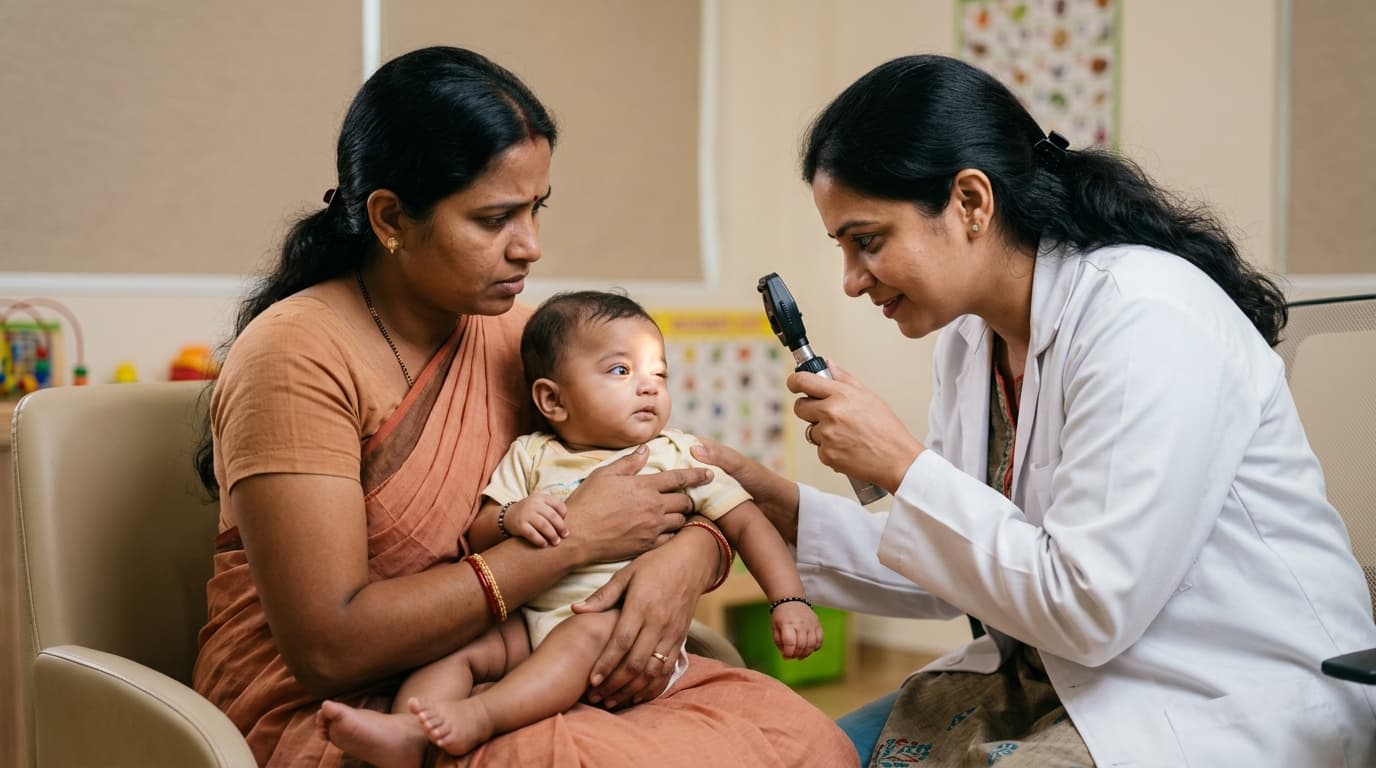
Babies with congenital glaucoma often have persistent tearing even when not crying. Increased eye pressure irritates the ocular surface and stimulates excess tear production.
■UNDERSTANDING THE CONDITION
Congenital glaucoma occurs when the drainage structures responsible for removing fluid from the eye fail to develop normally before birth. The aqueous humor, which normally circulates through the eye and drains through the trabecular meshwork and drainage angle, begins to accumulate when this system does not function properly.
As fluid builds up, intraocular pressure rises and places stress on delicate eye structures. In infants, the flexible tissues of the eye may stretch under this pressure, causing enlargement of the cornea and eyeball — a condition known as buphthalmos. The increased pressure may simultaneously damage the optic nerve, which is responsible for transmitting visual information to the brain, as explained by specialists at a glaucoma clinic in Delhi.
Congenital glaucoma may affect one or both eyes and is typically detected during infancy or early childhood. Unlike adult glaucoma which is often silent, congenital glaucoma usually presents with distinctive signs including tearing, light sensitivity, and corneal haziness. Prompt treatment is essential to preserve vision and support healthy eye development.
Congenital glaucoma primarily affects the drainage angle of the eye and the optic nerve — both critical structures for regulating intraocular pressure and maintaining vision. Elevated pressure from impaired drainage also causes secondary effects including corneal oedema and, in severe cases, enlargement of the entire eyeball.
Congenital glaucoma is a developmental eye disorder associated with increased intraocular pressure in infants and young children. Key characteristics include:
■CLINICAL PRESENTATION
Symptoms of congenital glaucoma often appear during infancy and are usually first noticed by parents or caregivers:
Excessive Tearing
Babies with congenital glaucoma often have persistent tearing even when not crying. Increased eye pressure irritates the ocular surface and stimulates excess tear production.
Sensitivity to Light (Photophobia)
Infants may show marked discomfort in bright environments, squinting, closing their eyes, or becoming irritable when exposed to light.
Cloudy or Hazy Cornea
The cornea may appear cloudy or hazy due to swelling (oedema) caused by the elevated intraocular pressure affecting corneal hydration.
Enlarged Eyes (Buphthalmos)
Because infant eye tissues are still flexible, increased pressure may cause the eyeball to enlarge beyond its normal size — a condition called buphthalmos.
Frequent Eye Rubbing
Infants may rub their eyes repeatedly due to discomfort and irritation caused by the elevated intraocular pressure.
Excessive Blinking
Children with congenital glaucoma may blink excessively as a reflex response to irritation, light sensitivity, or corneal discomfort.
These signs require urgent pediatric ophthalmological evaluation to prevent irreversible optic nerve damage:
Enlarged or Visibly Bulging Eyes
Immediate evaluationNoticeable enlargement of the eyeball may indicate significantly elevated intraocular pressure and requires urgent assessment to prevent optic nerve damage.
Persistent Cloudy Cornea
Immediate evaluationA cloudy or hazy cornea in an infant may indicate corneal oedema caused by elevated eye pressure requiring prompt intervention.
Poor Visual Response
Same day evaluationIf a child does not respond normally to visual stimuli, it may indicate that intraocular pressure has already affected optic nerve function.
Extreme Light Sensitivity
Within 1 weekSevere discomfort in any light condition causing significant distress in the infant may indicate glaucoma-related corneal or optic nerve irritation.
Continuous Unexplained Tearing
Within 1 weekPersistent tearing unrelated to crying and not improving with time may signal elevated eye pressure and warrants ophthalmological assessment.

Ask yourself these questions about your child to determine if pediatric eye evaluation is needed:
If you answered "yes" to any of these questions, seek immediate evaluation at a pediatric eye hospital in Delhi — early diagnosis and treatment of congenital glaucoma can prevent permanent vision loss.
■TRIGGERS & ROOT CAUSES
While the root cause is developmental, several awareness and healthcare access factors determine whether timely treatment is received:
Lack of Early Pediatric Eye Screening
HighMany newborns and infants do not undergo routine eye examinations unless symptoms are obvious. Early screening during infancy helps detect abnormal eye pressure or corneal clarity before optic nerve damage occurs.
Delayed Medical Consultation for Eye Symptoms
HighParents may initially assume that symptoms such as excessive tearing or light sensitivity are minor. These early signs may indicate elevated eye pressure and should prompt immediate specialist review.
Poor Awareness of Pediatric Eye Health
HighMany families are unaware that serious eye diseases can affect infants. Lack of awareness may delay diagnosis, especially when early symptoms appear mild or are attributed to other causes.
Ignoring Persistent Eye Irritation in Infants
ModeratePersistent tearing, blinking, or eye rubbing in infants should not be dismissed as normal behaviour. These symptoms may indicate discomfort caused by increased eye pressure.
Limited Access to Pediatric Eye Specialists
ModerateDelayed access to specialised pediatric ophthalmology care may postpone diagnosis and treatment, allowing disease progression and increased risk of permanent vision loss.
Lack of Routine Pediatric Health Monitoring
LowRegular pediatric health checkups and newborn screening programs provide opportunities to detect developmental eye abnormalities early in the disease course.
Specific ocular developmental factors contribute to the pathophysiology of congenital glaucoma:
Abnormal Trabecular Meshwork Development
Improper formation of the drainage trabecular meshwork prevents aqueous humor from leaving the eye, causing pressure to rise.
Dysgenesis of the Anterior Segment
Abnormal development of the anterior segment structures including the iris, cornea, and drainage angle can obstruct fluid outflow.
Optic Nerve Vulnerability in Infancy
The developing optic nerve in infants is particularly vulnerable to pressure-related damage, making early intervention critical.
Corneal Stretching from Elevated Pressure
The elastic infant cornea may stretch under sustained elevated pressure, leading to breaks in Descemet's membrane and corneal scarring.
Structural Eye Abnormalities
Certain anatomical abnormalities of the anterior segment may be associated with or predispose to congenital glaucoma.
Several genetic and systemic conditions are associated with congenital glaucoma:
Familial / Genetic Predisposition
Some cases of primary congenital glaucoma are inherited in an autosomal recessive pattern, with mutations in genes such as CYP1B1 identified as causative.
Aniridia
A condition characterised by partial or complete absence of the iris, often associated with elevated intraocular pressure and glaucoma.
Sturge-Weber Syndrome
A neurocutaneous syndrome associated with episcleral venous pressure elevation that can cause glaucoma in affected eyes.
Axenfeld-Rieger Syndrome
A spectrum of anterior segment dysgenesis associated with elevated intraocular pressure and glaucoma from early childhood.
■CLINICAL EVALUATION
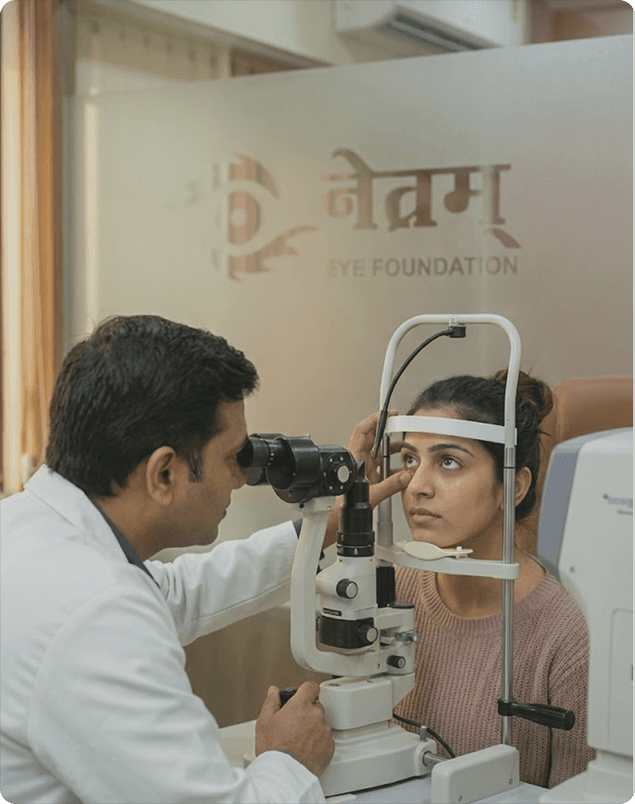
Congenital glaucoma is diagnosed through a specialised pediatric eye examination, often requiring examination under anaesthesia for complete assessment:
■MANAGEMENT & TREATMENT
Regular Pediatric Eye Examinations
Routine monitoring helps track intraocular pressure, optic nerve health, and visual development throughout childhood and beyond.
Follow Prescribed Treatments
Adhering to prescribed pressure-lowering eye drops or medications helps maintain adequate control of intraocular pressure between surgical procedures.
Monitor Child's Visual Development
Parents should observe how the child responds to visual stimuli, tracking objects, and achieving developmental visual milestones.
Protect Eyes from Injury
Children with glaucoma are advised to use protective eyewear during sports and activities to prevent trauma to already vulnerable eye structures.
Amblyopia Treatment if Required
If one eye develops weaker vision due to pressure-related damage, amblyopia therapy may be recommended alongside glaucoma management.
Attend All Follow-Up Visits
Regular follow-up appointments are essential to ensure that intraocular pressure remains controlled and that optic nerve health is maintained long-term.
Topical Pressure-Lowering Medications
Adjunctive therapyBeta-blockers and carbonic anhydrase inhibitors may be used to temporise intraocular pressure while awaiting surgery or to supplement surgical treatment.
Goniotomy
Primary surgical procedureA surgical incision through the trabecular meshwork under direct visualisation to create a new drainage pathway, typically performed when the cornea is clear.
Trabeculotomy
Alternative to goniotomyAn external surgical approach that opens the Schlemm's canal to improve aqueous drainage, used when the cornea is too cloudy for goniotomy.
Glaucoma Drainage Surgery
For refractory casesTrabeculectomy or glaucoma drainage device implantation is reserved for cases where initial procedures fail to achieve adequate pressure control.

■SURGICAL INTERVENTION
Unlike adult glaucoma which is managed primarily with medications, congenital glaucoma typically requires surgical intervention to restore normal drainage and reduce intraocular pressure. Goniotomy and trabeculotomy are the most commonly performed procedures and have high success rates when performed by experienced pediatric glaucoma surgeons. Medical therapy is used as a temporising measure while awaiting surgery or as an adjunct to surgical treatment.
Early surgery significantly improves the chance of preserving optic nerve function and supporting normal visual development. Post-surgical monitoring is essential as multiple procedures may be needed over time. At Netram Eye Foundation in Delhi, specialised pediatric glaucoma management combines advanced surgical techniques with comprehensive follow-up care to give children the best possible chance of good visual outcomes.
■ALL YOUR QUESTIONS ANSWERED
Congenital glaucoma occurs when the eye's drainage system — specifically the trabecular meshwork and drainage angle — does not develop properly before birth. This prevents the normal outflow of aqueous humor, causing fluid to accumulate and intraocular pressure to rise. In many cases, genetic mutations are responsible, particularly mutations in the CYP1B1 gene. It may also occur as part of broader developmental syndromes affecting the anterior segment of the eye.
Some cases of primary congenital glaucoma are inherited. The most common form follows an autosomal recessive inheritance pattern, meaning both parents carry the gene mutation but may not be affected themselves. Families with a known history of congenital glaucoma should be aware of the increased risk and ensure that newborns receive early eye screening. Genetic counselling may be beneficial for affected families.
Yes. Congenital glaucoma may affect one eye (unilateral) or both eyes (bilateral). Bilateral involvement is present in approximately 70–80% of cases. When both eyes are affected, the degree of severity may differ between the two eyes. Early detection and prompt treatment of both eyes are important to optimise visual outcomes.
Yes. Surgical procedures such as goniotomy and trabeculotomy are effective in controlling intraocular pressure in a significant proportion of children with congenital glaucoma. Success rates for initial surgery range from approximately 70–90% depending on the severity and type of the condition. Some children may require more than one procedure over time. Early surgical intervention combined with long-term follow-up offers the best chance of preserving vision.
Early treatment significantly improves visual outcomes. However, the final visual prognosis depends on several factors including how early the diagnosis is made, the degree of optic nerve damage at presentation, the success of pressure control, and the management of any associated amblyopia. Children who receive prompt diagnosis, successful surgery, and consistent visual rehabilitation have the best chances of achieving good functional vision.
Parents should seek immediate medical evaluation if they notice persistent tearing unrelated to crying, excessive sensitivity to light, cloudy or hazy appearance of the cornea, visible enlargement of the eyes, or a child who does not respond normally to visual stimuli. These signs in a newborn or young infant should always be taken seriously and evaluated by a pediatric ophthalmologist promptly, as delayed treatment may result in permanent vision loss.
Still have questions? Our team is here to help.
Schedule Consultation
REQUEST AN APPOINTMENT