One of the most common symptoms is sudden blurring of vision in one eye. Patients may notice that objects appear less clear or hazy, particularly when focusing on detailed tasks such as reading.

Retinal Vein Occlusion
Types
Central (CRVO) and Branch (BRVO)
Primary Risk Factor
Hypertension and Diabetes
■UNDERSTANDING THE CONDITION
What Is Retinal Vein Occlusion?
Retinal vein occlusion occurs when a retinal vein becomes partially or completely blocked, preventing blood from draining properly from the retina. This blockage increases pressure within the affected blood vessels and causes leakage of blood and fluid into the surrounding retinal tissue, leading to macular edema and visual disturbances.
There are two main types of retinal vein occlusion. Central retinal vein occlusion (CRVO) involves blockage of the main retinal vein and typically affects a larger portion of the retina, causing more widespread visual impairment. Branch retinal vein occlusion (BRVO) affects a smaller branch vein and may cause localised vision changes. The severity of symptoms depends on the location and extent of the blockage.
The retina requires a continuous, uninterrupted blood supply to maintain its function. When venous drainage is obstructed, retinal cells are deprived of adequate circulation, which can result in swelling, bleeding, and progressive retinal damage. Early diagnosis and treatment are critical for preserving vision.
Part of Eye Affected
Nature of Condition
■CLINICAL PRESENTATION
Symptoms & Early Warning Signs
Typical Symptoms
One of the most common symptoms is sudden blurring of vision in one eye. Patients may notice that objects appear less clear or hazy, particularly when focusing on detailed tasks such as reading.
Some individuals experience distortion of images, where straight lines appear bent or irregular. This occurs when fluid accumulates in the central retina (macula).
Small dark spots or areas of blurred vision may appear due to bleeding within the retinal tissue.
Vision may appear less sharp, especially when focusing on fine details or performing close work.
In some cases, vision may deteriorate gradually as retinal swelling and macular edema develop over time.
Retinal swelling may affect contrast sensitivity, making it harder to see clearly in dim lighting conditions.
Red Flag Symptoms
Immediate evaluation
A sudden and significant drop in vision may indicate a severe retinal vein blockage and requires urgent medical evaluation.
Same day evaluation
Dark patches or blind spots in vision may indicate retinal bleeding and require prompt assessment.
Urgent assessment
In advanced cases, retinal damage may affect side vision, indicating significant vascular compromise.
Within 1 week
Blurred vision that does not improve may indicate ongoing retinal swelling or macular edema.
Within 1 week
If objects appear warped or distorted, it may indicate swelling in the macula requiring specialist evaluation.
Within 1 week
Floaters may appear when small amounts of blood leak into the vitreous cavity, warranting prompt examination.

- Have you noticed sudden blurring of vision in one eye?
- Do straight lines appear bent, wavy, or distorted when you look at them?
- Have you noticed dark spots or blank areas in your central vision?
- Do you have difficulty seeing clearly in dim or low-light conditions?
- Have you been diagnosed with high blood pressure, diabetes, or cardiovascular disease?
If you answered yes to any of the above, prompt evaluation by a retinal specialist in Delhi is recommended to rule out retinal vein occlusion.
■TRIGGERS & ROOT CAUSES
High
Hypertension is one of the most common risk factors for retinal vein occlusion. High blood pressure places extra strain on blood vessel walls, leading to narrowing or blockage of retinal veins over time.
High
Smoking damages blood vessels throughout the body and increases the risk of vascular disease. In the retina, smoking may contribute to narrowing or clotting of retinal veins.
Moderate
Limited physical activity may contribute to poor circulation and increased risk of vascular disorders that affect retinal blood flow.
Moderate
Diets high in saturated fats, refined sugars, and processed foods may increase cholesterol levels and contribute to vascular blockage in retinal vessels.
High
Inadequate management of hypertension, diabetes, or high cholesterol significantly increases the risk of retinal vascular complications.
Moderate
Without regular health monitoring, systemic conditions affecting blood vessels may remain uncontrolled and increase the likelihood of retinal vascular problems.
Ocular & Environmental Factors
Retinal vein occlusion is more common in individuals over the age of 50, as blood vessel walls become less flexible with age.
Increased intraocular pressure may affect blood flow in retinal vessels and increase the risk of venous blockage.
Structural changes in retinal blood vessels, including arteriosclerosis, may increase the risk of venous compression and blockage.
Inflammatory eye diseases may affect retinal circulation and predispose to vascular occlusion.
Certain medical conditions increase the tendency of blood to clot within retinal vessels.
Lifestyle stress and poor sleep patterns may indirectly affect vascular health and blood pressure regulation.
Underlying Medical Conditions
High blood pressure is one of the strongest risk factors for retinal vein occlusion and should be carefully managed.
Diabetes can damage retinal blood vessels and increase the risk of vascular blockage and macular edema.
Elevated cholesterol may contribute to narrowing of retinal blood vessels and increase occlusion risk.
Heart and vascular diseases may affect circulation throughout the body, including retinal blood vessels.
Conditions such as thrombophilia increase the likelihood of vascular blockages in the retina.
Metabolic disorders affecting blood vessels and lipid metabolism may increase the risk of retinal vein occlusion.
■CLINICAL EVALUATION
How Is Retinal Vein Occlusion Diagnosed?
Initial Consultation
- Detailed visual and medical history including cardiovascular risk factors
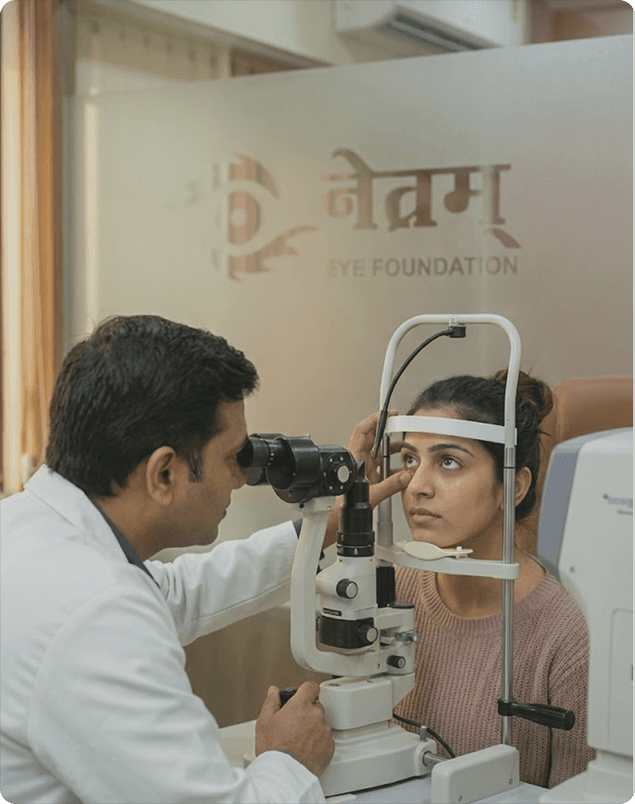
- Dilated retinal examination to assess extent of venous blockage
- Optical coherence tomography (OCT) to evaluate macular edema
- Retinal photography to document vascular changes
- Fluorescein angiography to assess retinal circulation and identify areas of non-perfusion
Diagnostic Timeframe
Initial Consultation20–30 minutes
Comprehensive Retinal Examination30–45 minutes
Advanced Imaging (if required)20 minutes
Treatment PlanningSame day
■MANAGEMENT & TREATMENT
Treatment Options for Retinal Vein Occlusion
Self Care & Lifestyle Adjustments
Control Blood Pressure
Maintaining healthy blood pressure reduces stress on retinal blood vessels and lowers the risk of further vascular complications.
Manage Blood Sugar Levels
For individuals with diabetes, proper blood sugar control through diet, exercise, and medication helps protect retinal health.
Maintain Healthy Cholesterol Levels
A balanced diet low in saturated fats, combined with medical treatment where needed, helps manage cholesterol and reduce vascular risk.
Stay Physically Active
Regular moderate exercise supports healthy circulation, helps control blood pressure, and promotes overall vascular health.
Avoid Smoking
Quitting smoking reduces vascular damage and significantly lowers the risk of retinal and systemic vascular complications.
Attend Regular Eye Examinations
Routine retinal monitoring at intervals recommended by your specialist helps detect complications such as macular edema early.
Medical & Clinical Treatments
Anti-VEGF Intravitreal Injections
First-line TreatmentAnti-VEGF medications (such as ranibizumab or bevacizumab) are injected directly into the vitreous cavity to reduce macular edema and suppress abnormal vessel growth caused by retinal vein occlusion. Multiple treatment sessions may be required.
Intravitreal Corticosteroid Injections
Secondary OptionSteroid injections such as triamcinolone acetonide or dexamethasone implants may be used to reduce retinal inflammation and macular swelling in selected cases.
Laser Photocoagulation
Adjunct TreatmentFocal or grid laser treatment may be used to reduce macular edema in branch retinal vein occlusion, or pan-retinal photocoagulation may be applied to treat areas of retinal non-perfusion and prevent neovascularisation.
Systemic Disease Management
Ongoing ManagementCoordinated management of underlying conditions such as hypertension, diabetes, and hyperlipidaemia with relevant medical specialists is essential to reduce the risk of recurrence.

■SURGICAL INTERVENTION
Surgical & Advanced Treatment Options
Most cases of retinal vein occlusion are managed through intravitreal injections and laser therapy. However, in complicated cases where vitreous haemorrhage or tractional retinal detachment develops as a result of neovascularisation, vitrectomy surgery may be required. Vitrectomy involves removal of the vitreous gel and any blood or fibrous tissue from inside the eye, followed by treatment of the underlying retinal pathology. The timing and approach to surgery depend on the extent of retinal involvement and the patient's visual requirements.
At Netram Eye Foundation in Delhi, specialised retinal surgeons perform advanced microsurgical procedures using the latest vitreoretinal technology. A comprehensive pre-operative evaluation ensures personalised treatment planning, and follow-up care is structured to optimise visual recovery and prevent recurrence.
■ALL YOUR QUESTIONS ANSWERED
What causes retinal vein occlusion?
Retinal vein occlusion occurs when a retinal vein becomes blocked, usually due to atherosclerosis, compression from a crossing retinal artery, or blood clotting disorders. Hypertension, diabetes, high cholesterol, and glaucoma are among the most common risk factors.
Is retinal vein occlusion serious?
Yes, retinal vein occlusion can significantly affect vision if not treated promptly. Macular edema, retinal bleeding, and abnormal new vessel growth (neovascularisation) are common complications. Early evaluation and treatment help preserve vision.
What is the difference between CRVO and BRVO?
Central retinal vein occlusion (CRVO) involves blockage of the main retinal vein and affects a larger area of the retina. Branch retinal vein occlusion (BRVO) affects a smaller branch vein and typically causes more localised vision changes. BRVO generally has a better prognosis than CRVO.
Can vision improve after treatment?
Many patients experience meaningful improvement in vision with appropriate treatment, particularly anti-VEGF injections for macular edema. However, the degree of recovery depends on the severity of the occlusion and how promptly treatment is initiated.
How many injections are needed for treatment?
The number of intravitreal injections required varies by individual. Some patients may need monthly injections initially, followed by a maintenance regimen as determined by retinal imaging. Your retinal specialist will guide treatment frequency based on your response.
How can retinal vein occlusion be prevented?
Controlling systemic risk factors is the most effective preventive strategy. Maintaining healthy blood pressure, managing diabetes and cholesterol, avoiding smoking, staying physically active, and attending regular eye examinations all help reduce the risk of retinal vascular disorders.
If you have experienced sudden vision changes, distortion, or dark areas in your vision, early evaluation is essential.
Schedule Consultation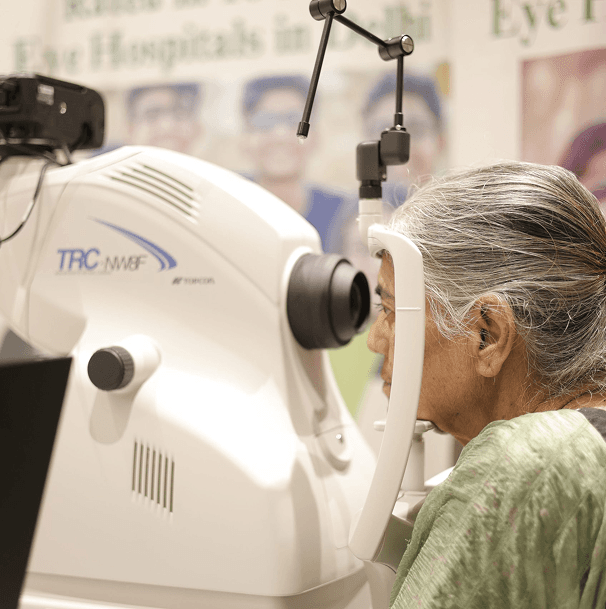
REQUEST AN APPOINTMENT