Blurred Central Vision
One of the earliest symptoms is mild blurring in the centre of vision. Reading small text, viewing screens, or recognising faces may become more difficult over time.

■UNDERSTANDING THE CONDITION
Macular degeneration occurs when the macula gradually deteriorates due to aging or damage to retinal cells. The macula is located at the centre of the retina and plays a crucial role in providing sharp, detailed central vision needed for everyday tasks.
As the condition progresses, the cells of the macula begin to lose their normal function. This can cause blurred vision, distortion of objects, or difficulty seeing fine details. There are two main types: Dry Macular Degeneration, involving gradual thinning of macular tissue, and Wet Macular Degeneration, where abnormal blood vessels grow beneath the retina and leak fluid or blood.
Early detection and regular monitoring are essential for protecting vision. Peripheral vision generally remains intact, but loss of central vision can significantly impact independence and quality of life if not managed promptly at an eye hospital in Delhi.
Macular degeneration affects the macula, the central portion of the retina responsible for high-resolution vision. Damage to this area interferes with activities that require precise visual focus, such as reading small print, recognising faces, and performing detailed tasks.
Macular degeneration is a progressive retinal condition affecting central vision. Key characteristics include:
■CLINICAL PRESENTATION
Macular degeneration usually develops gradually. Many individuals initially notice only subtle changes in their central vision:
Blurred Central Vision
One of the earliest symptoms is mild blurring in the centre of vision. Reading small text, viewing screens, or recognising faces may become more difficult over time.
Distorted Vision
Straight lines such as door frames, window edges, or lines of text may appear wavy or bent when viewed directly.
Difficulty Recognising Faces
Because macular degeneration affects central vision, recognising familiar faces may become increasingly challenging.
Reduced Contrast Sensitivity
Colours and contrast may appear less vivid. Objects may seem less distinct, especially in low-light conditions.
Difficulty Reading
Patients may find it harder to read books, newspapers, or digital screens due to blurred or missing central vision.
Need for Brighter Light
Individuals with macular degeneration often require brighter lighting to perform tasks such as reading, sewing, or detailed work.
These symptoms suggest significant macular involvement or rapid progression and require prompt ophthalmological evaluation:
Rapid Central Vision Loss
Same day evaluationA sudden decrease in central vision may indicate wet macular degeneration, which requires urgent treatment to prevent permanent loss.
Dark Spot in Central Vision
Immediate evaluationA dark or empty area in the centre of vision may interfere with reading and recognising faces, and requires prompt assessment.
Sudden Vision Changes
Urgent assessmentAny sudden change in central vision should be examined immediately by a retina specialist.
Sudden Distortion of Vision
Within 1 weekIf straight lines suddenly appear bent or distorted, it may indicate progression of macular degeneration requiring evaluation.
Difficulty Performing Daily Tasks
Within 1 weekIf activities such as reading, writing, or recognising faces become significantly difficult, medical evaluation is recommended.
Persistent Visual Distortion
Within 1 weekOngoing distortion of objects may indicate worsening macular disease requiring monitoring or treatment adjustment.

Ask yourself these questions to determine if a retinal examination is needed:
If you answered "yes" to any of these questions, a retinal examination at an eye hospital in Delhi can detect macular changes early and guide appropriate management.
■TRIGGERS & ROOT CAUSES
Macular degeneration develops due to a combination of aging, genetic factors, and lifestyle influences that affect retinal health. These modifiable factors play a significant role:
Smoking
HighSmoking is one of the strongest lifestyle risk factors for macular degeneration. Tobacco toxins damage blood vessels and reduce oxygen supply to retinal tissues, accelerating macular degeneration.
Poor Dietary Habits
HighDiets lacking antioxidants, vitamins, and omega-3 fatty acids may affect retinal health. High consumption of processed foods may contribute to oxidative stress within retinal cells.
Excessive Sunlight Exposure
ModerateLong-term exposure to ultraviolet and blue light without protective eyewear may increase oxidative damage in retinal tissues over time.
Sedentary Lifestyle
ModerateLimited physical activity may negatively affect blood circulation and overall vascular health, reducing oxygen supply to retinal tissues.
Oxidative Stress
ModerateTobacco smoke and environmental toxins introduce harmful free radicals that can damage retinal cells and accelerate macular deterioration.
Lack of Regular Eye Checkups
ModerateWithout routine retinal examinations, early signs of macular degeneration may remain undetected until vision changes become significant.
Several structural and environmental factors can increase the risk of macular degeneration:
Aging
The risk of macular degeneration increases significantly after the age of 50, making regular retinal screening important for older adults.
Genetic Predisposition
Individuals with a family history of macular degeneration may have a higher likelihood of developing the condition.
High Blood Pressure
Hypertension can affect blood vessels supplying the retina and increase the risk of retinal damage.
High Cholesterol
Elevated cholesterol may contribute to deposits beneath the retinal pigment epithelium, a feature of early AMD.
Long-Term Light Exposure
Cumulative exposure to sunlight without UV-protective eyewear may increase oxidative stress within retinal tissues over time.
Environmental Stress Factors
Lifestyle stress and poor sleep patterns may indirectly influence retinal health through their effects on systemic inflammation.
Certain systemic conditions can increase the risk or accelerate the progression of macular degeneration:
Cardiovascular Disease
Conditions affecting blood circulation may influence retinal blood supply and contribute to macular damage.
Hypertension
High blood pressure can accelerate damage to retinal blood vessels and increase macular degeneration risk.
Diabetes
Diabetes may increase the risk of retinal complications that can affect the macula.
Obesity
Excess body weight may contribute to metabolic and vascular changes that affect retinal health.
Metabolic Syndrome
Metabolic disorders can influence vascular health and retinal function, increasing susceptibility to macular damage.
■CLINICAL EVALUATION
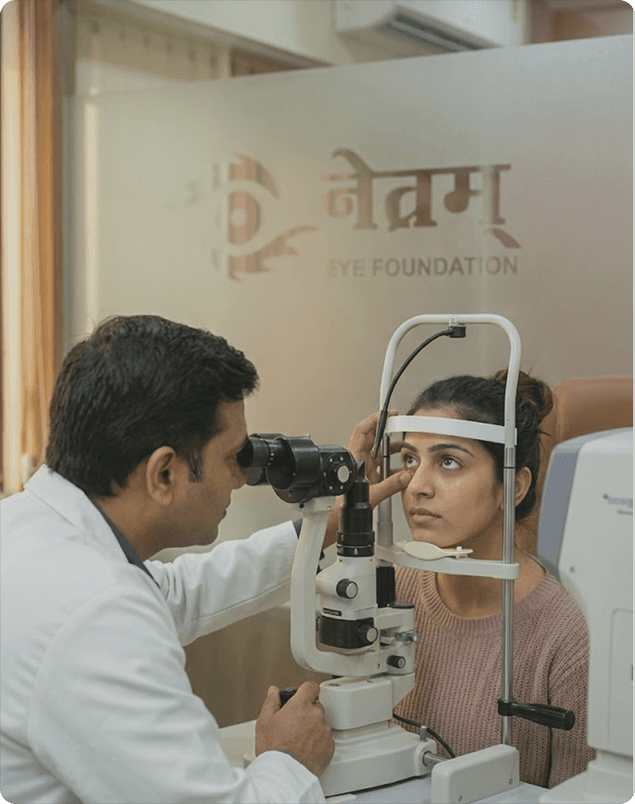
Macular degeneration is diagnosed through a detailed retinal examination. Your specialist will evaluate:
■MANAGEMENT & TREATMENT
Maintain a Healthy Diet
Nutrient-rich foods containing antioxidants, vitamins C and E, zinc, and omega-3 fatty acids support retinal health and may slow dry AMD progression.
Quit Smoking
Stopping smoking significantly reduces the risk of disease progression. Smokers have a substantially higher risk of advanced AMD than non-smokers.
Protect Eyes from Sunlight
UV-protective sunglasses help shield retinal tissues from light-induced oxidative damage during outdoor activities.
Maintain Healthy Blood Pressure
Managing blood pressure helps support retinal circulation and reduces vascular risk to the macula.
Stay Physically Active
Regular exercise supports overall vascular health and may help maintain adequate blood supply to retinal tissues.
Schedule Regular Eye Exams
Routine retinal examinations help detect early progression and allow timely treatment before significant vision loss occurs.
Anti-VEGF Injections
Primary treatment for wet AMDIntravitreal injections prevent abnormal blood vessel growth and reduce fluid accumulation beneath the retina, helping preserve or improve central vision.
Laser Photocoagulation
For selected wet AMD casesTargeted laser treatment to seal abnormal leaking blood vessels beneath the retina in specific types of wet AMD.
AREDS Nutritional Supplements
For intermediate dry AMDA specific combination of antioxidant vitamins and minerals shown in clinical trials to reduce the risk of progression to advanced AMD.
Low Vision Aids
For advanced vision lossOptical and electronic magnification devices help individuals with advanced AMD maintain independence in daily activities.

■SURGICAL INTERVENTION
For wet macular degeneration, intravitreal anti-VEGF injections are the primary treatment to prevent abnormal blood vessel growth and reduce fluid accumulation beneath the retina. These injections help slow or stop vision loss and in some cases can partially restore central vision. Treatment is recommended when abnormal vessels develop, fluid accumulates in the macula, or vision begins to decline rapidly.
Dry AMD does not currently have a surgical treatment, but nutritional supplements and regular monitoring are used to manage progression. At Netram Eye Foundation in Delhi, advanced retinal imaging and specialist care ensure that the most appropriate and timely treatment is provided for each type and stage of macular degeneration.
■ALL YOUR QUESTIONS ANSWERED
It occurs primarily due to age-related deterioration of the macula. Contributing factors include genetics, smoking, poor diet, cardiovascular disease, and long-term light exposure.
It can severely affect central vision but usually does not cause complete blindness, as peripheral vision generally remains intact. However, advanced AMD can make many daily activities very difficult.
Genetics can increase risk. Individuals with a family history of AMD should begin regular retinal screenings earlier, as they are at higher risk of developing the condition.
Yes, significantly. Smoking is the strongest modifiable risk factor. A healthy diet rich in antioxidants, regular exercise, UV protection, and blood pressure management can all help reduce risk.
Certain treatments can slow disease progression. Anti-VEGF injections are highly effective for wet AMD. Nutritional supplements are used for intermediate dry AMD. No treatment currently reverses existing macular damage.
Through a dilated retinal examination, optical coherence tomography (OCT), retinal photography, and Amsler grid testing. Early detection is key to preventing significant vision loss.
Still have questions? Our team is here to help.
Schedule Consultation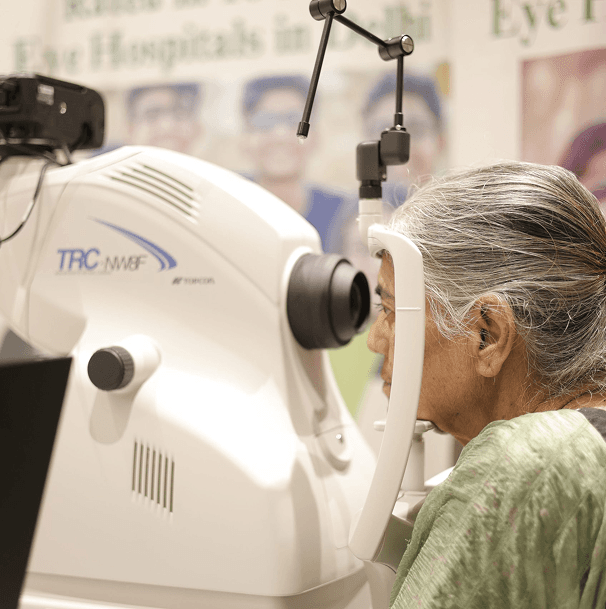
REQUEST AN APPOINTMENT