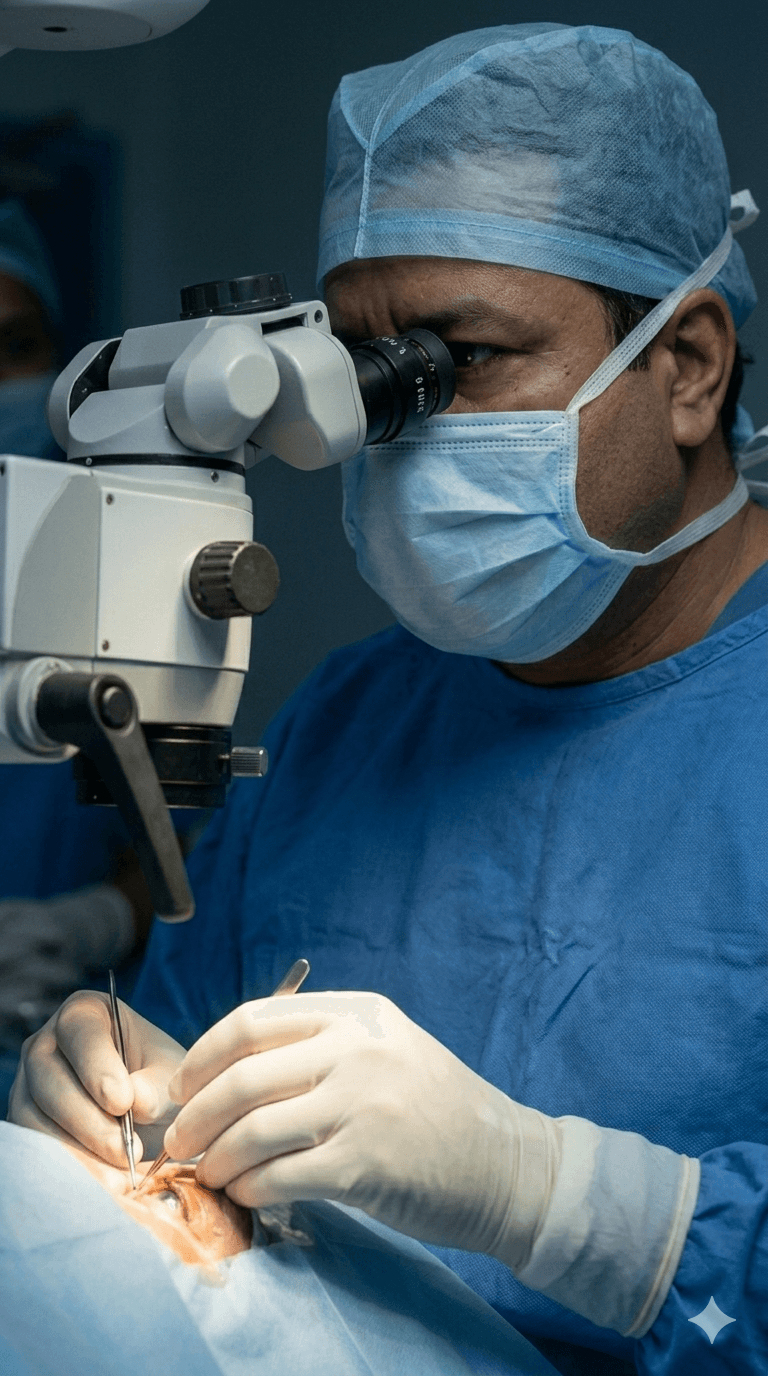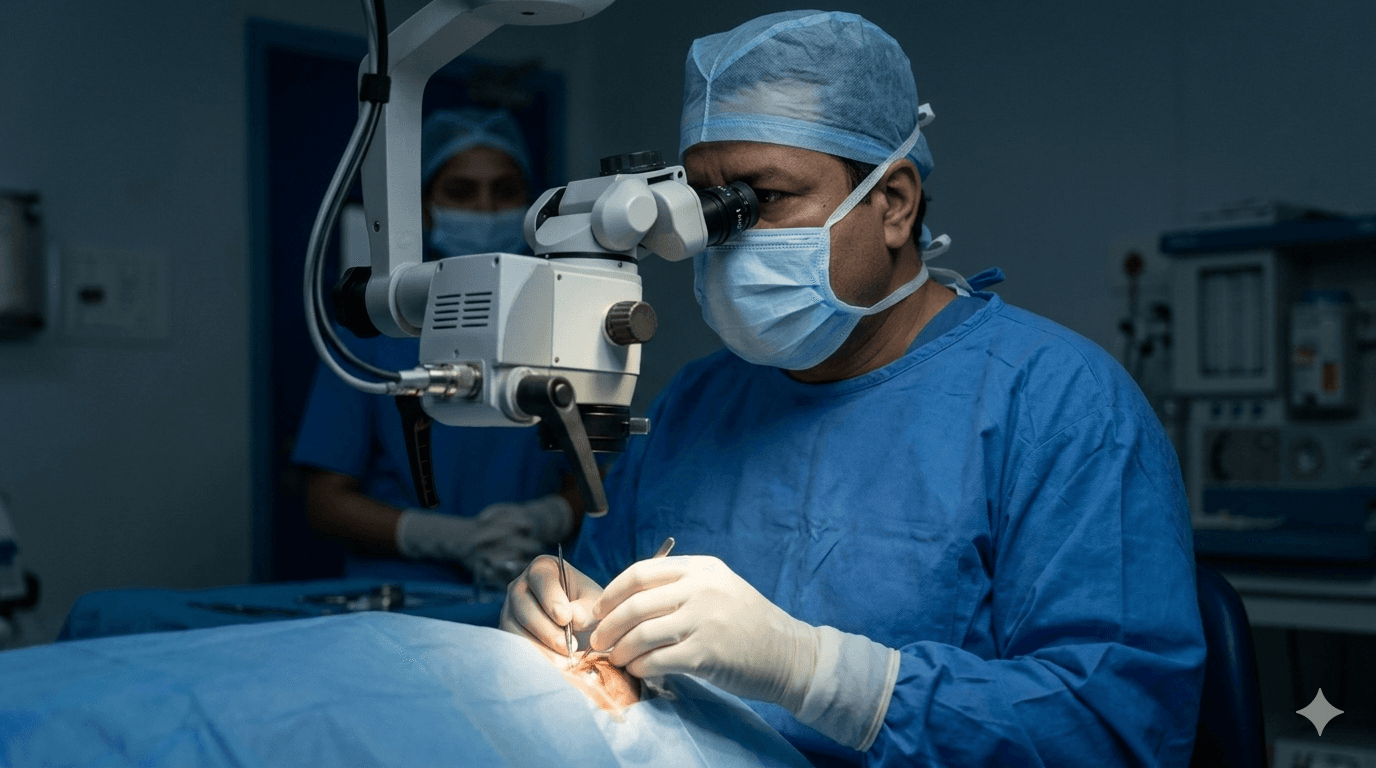
Glaucoma Surgery in Delhi

Glaucoma Surgery in Delhi

Protecting Vision. Controlling Pressure. For Life.
Full Surgical Spectrum — Trabeculectomy to Ahmed Glaucoma Valve.

12M+

Indians Affected by Glaucoma

50%

Remain Undiagnosed

>90%

Surgery Halts Progression

4.9/5

(2k+ Reviews, Google)

WHY CHOOSE NETRAM

Advanced Glaucoma Care Rooted in Trust and Excellence

Full Glaucoma Surgical Spectrum

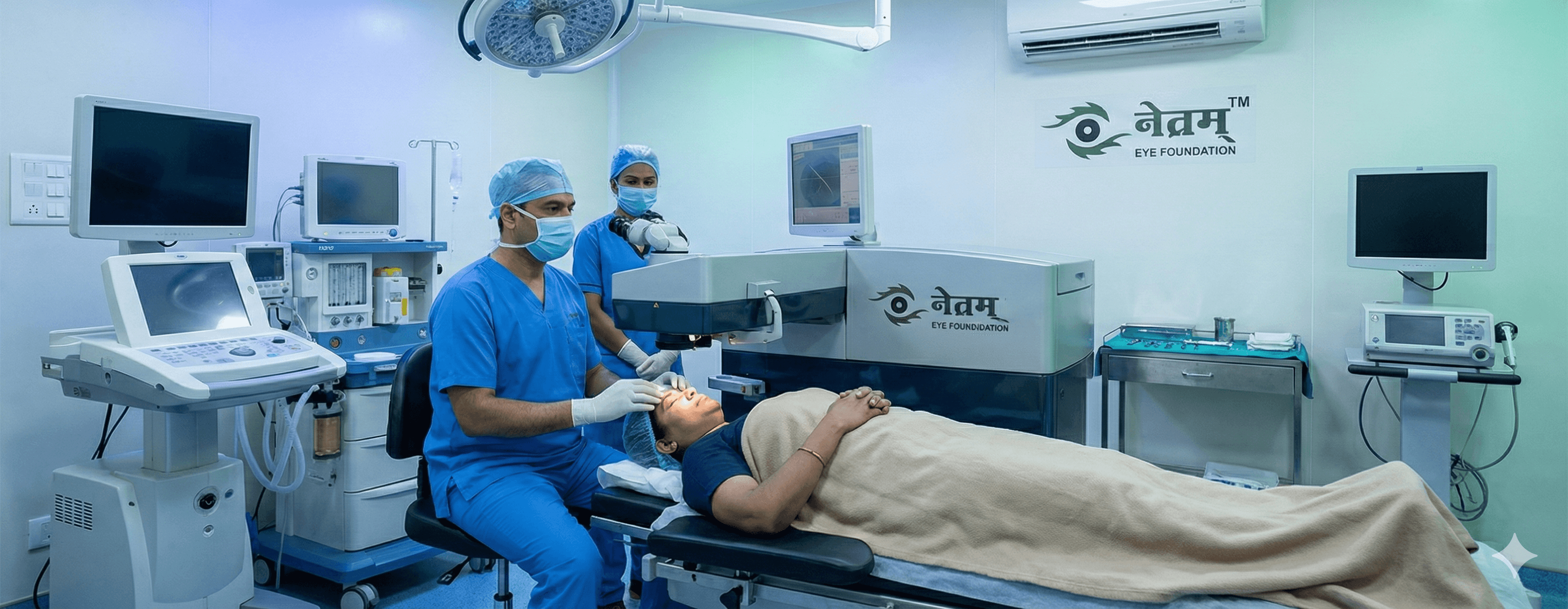
From trabeculectomy with antimetabolites (MMC) for primary open-angle glaucoma, to Ahmed Glaucoma Valve implantation for complex and refractory cases — we offer the complete range of filtration and drainage surgeries at our Greater Kailash II centre.
Integrated Medical & Surgical Care

Surgery is the last step in a carefully monitored treatment journey. Every surgical patient at Netram has undergone thorough medical management — including combination eye drops and selective laser trabeculoplasty (SLT) where appropriate — before surgical escalation is recommended.

Visual Field and OCT-RNFL Guided Decisions

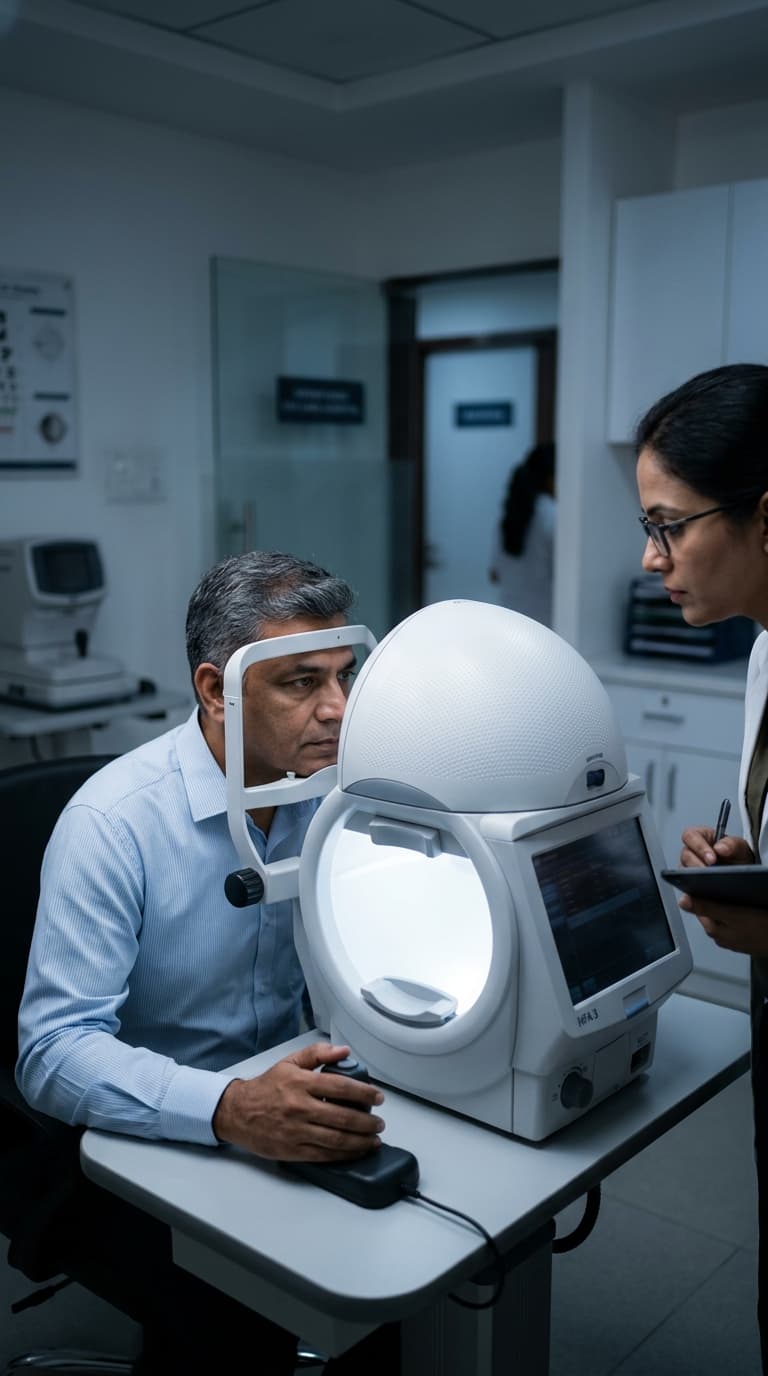
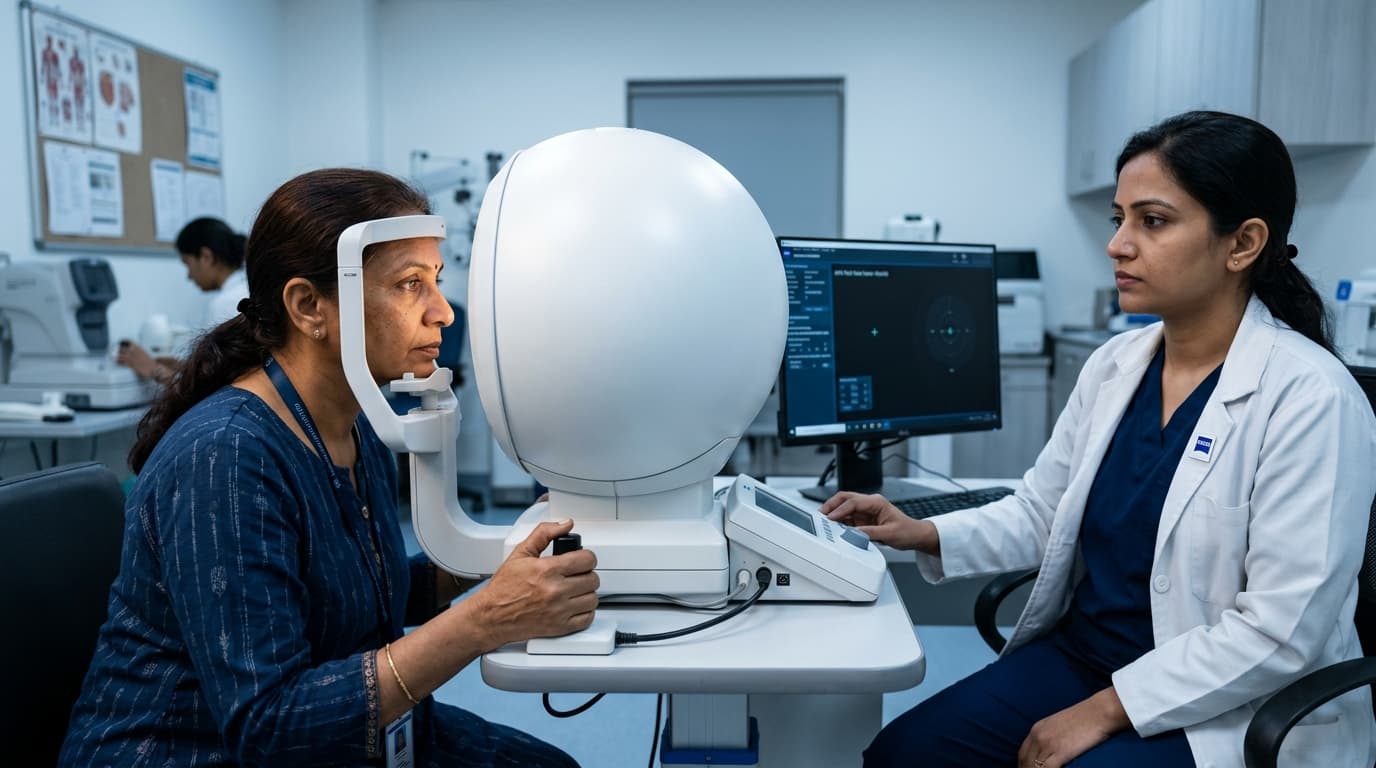
We base surgical decisions on objective evidence — not just IOP numbers. Serial Humphrey Visual Field analysis and OCT-RNFL (retinal nerve fibre layer) imaging guide our surgical timing, targets, and follow-up intervals. We treat the optic nerve, not just the tonometer reading.

Antimetabolite-Augmented Trabeculectomy

Mitomycin-C (MMC) is used intra-operatively with trabeculectomy to reduce bleb scarring and improve long-term IOP control. Our careful MMC application protocol maximises efficacy while minimising risks of hypotony and bleb-related complications.

Ahmed Glaucoma Valve — For Complex & Refractory Cases

For patients with neovascular glaucoma, uveitic glaucoma, post-traumatic glaucoma, or failed trabeculectomy — the Ahmed Glaucoma Valve provides a reliable, valved drainage pathway with a lower risk of early hypotony compared to non-valved devices.

Cashless Insurance and EMI Available

Glaucoma surgery is covered under most health insurance policies. We are empanelled with major TPAs and government schemes. EMI options ensure that no patient delays sight-saving surgery for financial reasons.

Glaucoma Doesn't Wait. Neither Should You.

Glaucoma Doesn't Wait. Neither Should You.

Schedule your comprehensive glaucoma surgical consultation today.

Schedule Consultation

TREATMENT OVERVIEW

Understanding Glaucoma and When Surgery is Needed

What is Glaucoma and Why Does it Need Surgery?

Glaucoma is a group of progressive optic neuropathies characterised by damage to the optic nerve — most commonly caused by elevated intraocular pressure (IOP). It is the second leading cause of irreversible blindness worldwide. In India, an estimated 12 million people are affected — and over half remain undiagnosed due to its silent, symptom-free early progression.

Why Vision Loss is Permanent — and When Surgery is Indicated

Unlike cataract, the vision lost to glaucoma cannot be restored — ever. The optic nerve fibres destroyed by elevated IOP do not regenerate. This is why early diagnosis, consistent treatment, and surgical intervention when needed are critical. Glaucoma surgery is indicated when IOP cannot be controlled adequately despite maximum tolerated medical therapy (eye drops), or when progressive optic nerve damage and visual field loss continue despite apparently controlled IOP, or when medical adherence is a significant barrier to treatment.

The Glaucoma Treatment Ladder — Where Surgery Fits

Glaucoma management follows a stepwise escalation. Surgery is recommended when earlier steps are insufficient to prevent optic nerve progression. Here is how the treatment journey typically unfolds: Eye Drops (First Line) — Prostaglandin analogues, beta-blockers, alpha-agonists, carbonic anhydrase inhibitors, or combination drops lower IOP for most patients, but lifelong daily compliance is required. Laser Treatment (Second Line) — Selective Laser Trabeculoplasty (SLT) for open-angle glaucoma and Laser Peripheral Iridotomy (LPI) for angle-closure glaucoma can be effective, though results are often temporary and may last 1–5 years. Glaucoma Surgery (Definitive IOP Control) — When drops and laser are insufficient to prevent optic nerve progression, surgery creates a permanent drainage pathway for sustained IOP control, often with reduced or eliminated need for drops.

Types of Glaucoma We Treat

Primary Open-Angle Glaucoma (POAG) — Most Common

The most common form of glaucoma worldwide, POAG occurs when the drainage angle stays open but the trabecular meshwork gradually becomes less efficient, causing a silent rise in IOP and progressive optic nerve damage over years; symptoms are usually absent until significant peripheral visual field loss has already occurred, and trabeculectomy with MMC remains the gold-standard surgery to create a new drainage pathway.

Primary Angle-Closure Glaucoma (PACG) — Common in India

PACG develops when the drainage angle between the iris and cornea is anatomically narrow or closed, blocking aqueous outflow; it is especially common in India, and acute angle closure can cause severe eye pain, headache, nausea, blurred vision, and halos as a same-day emergency, with treatment ranging from Laser Peripheral Iridotomy (LPI) to cataract extraction or trabeculectomy when trabecular damage is already established.

Neovascular Glaucoma (NVG) — Diabetic & Vascular

NVG occurs when abnormal new blood vessels grow on the iris and in the drainage angle due to ischaemic retinal disease such as diabetic retinopathy, CRVO, or CRAO, blocking drainage and causing severely elevated, often refractory IOP; the Ahmed Glaucoma Valve is usually preferred because trabeculectomy fails more often in these eyes, and intravitreal anti-VEGF before surgery helps improve outcomes.

Uveitic Glaucoma — Inflammation-Related

Uveitic glaucoma results from chronic intraocular inflammation damaging the trabecular meshwork and causing peripheral anterior synechiae that obstruct aqueous outflow, making treatment more complex because both inflammation and IOP must be controlled together; surgery may involve an Ahmed Glaucoma Valve or trabeculectomy with MMC, with meticulous perioperative uveitis control being essential.

Traumatic Glaucoma

Traumatic glaucoma can follow blunt or penetrating ocular injury that damages the trabecular meshwork, causes angle recession, or leads to haemorrhage and scarring that obstruct drainage, and it may present either immediately after trauma or years later; surgical treatment is tailored to the extent of angle damage and conjunctival scarring, usually with trabeculectomy or an Ahmed Valve.

Paediatric & Congenital Glaucoma

Paediatric and congenital glaucoma presents at birth or during childhood due to abnormal drainage angle development or secondary conditions such as Sturge-Weber syndrome, aniridia, or trauma, and is often marked by buphthalmos, photophobia, and tearing in infants; primary surgery is usually goniotomy or trabeculotomy, with trabeculectomy or an Ahmed Valve reserved for refractory cases under general anaesthesia.

What Surgery Achieves

Glaucoma surgery lowers IOP by creating a new pathway for aqueous humour to drain from the eye — reducing the pressure that is damaging the optic nerve. Surgery does not restore lost vision, but it stops or significantly slows further progression.

OUR APPROACH

Evidence-Based Glaucoma Surgical Techniques

Every glaucoma surgical decision at Netram is guided by objective evidence — OCT-RNFL, Humphrey Visual Field, gonioscopy, and pachymetry — not IOP numbers alone.

  • MMC-Augmented Trabeculectomy — Mitomycin-C applied intra-operatively reduces bleb scarring, improving long-term filtration and IOP control.

  • Ahmed Glaucoma Valve (New World Medical, USA) — built-in pressure-sensitive valve prevents dangerous early hypotony in complex cases.

  • Adjustable Suture Trabeculectomy — releasable sutures and laser suture lysis allow bleb modulation in the post-operative period for optimal IOP control.

  • 5-FU Sub-Conjunctival Injections — post-operative antimetabolite management for at-risk blebs, reducing scarring and extending bleb survival.

  • Combined Phaco-Trabeculectomy — single surgical session for patients with both visually significant cataract and glaucoma requiring IOP control.

  • Selective Laser Trabeculoplasty (SLT) and Laser Peripheral Iridotomy (LPI) — for appropriate cases where incisional surgery can be deferred.

Have Questions About Glaucoma Surgery? We Respond in Under 10 Minutes.

Have Questions About Glaucoma Surgery?We Respond in Under 10 Minutes.

Expert Advice
Urgent Concerns Welcome
Netram Eye Foundation profile

Netram Eye Foundation

TODAY

Hi there! Welcome to Netram Eye Foundation.

10:00 AM

Concerned about glaucoma progression? Let us help you find answers.

10:00 AM

MEET YOUR SURGEON

Your Vision in the Hands of Excellence

Dr. Deven Tuli

Dr. Deven Tuli

MS Ophthalmology

Achievements & Highlights

  • Expert in trabeculectomy (MMC-augmented), Ahmed Glaucoma Valve, combined phaco-trabeculectomy, SLT, and LPI.

  • Comprehensive glaucoma clinic with OCT-RNFL, Humphrey VF, gonioscopy, pachymetry, and disc photography at every evaluation.

  • 2.5 lakh+ successful surgical procedures over 19+ years.

  • Known for evidence-based decision making, transparent patient communication, and ethical surgical recommendations.

19+

Years
Of Experience

2.5L+

Successful Procedures

7+

Areas of Surgical Expertise

"Glaucoma surgery is not something I take lightly — and I do not recommend it until I am certain the evidence demands it. But when it is needed, there is no point in waiting. Every month of uncontrolled pressure is another month of optic nerve fibres that cannot be replaced. We operate to protect what remains — and we do it as precisely and safely as we can."

UNDERSTANDING YOUR OPTIONS

Glaucoma Surgery Options — Complete Comparison

Each glaucoma surgical technique has specific indications and advantages. The recommended procedure is selected after thorough evaluation of your glaucoma type, severity, and ocular history.

ProcedureMechanismIOP ReductionRecoveryBest ForAt Netram
Trabeculectomy + MMC
Creates a new drainage opening (fistula) through the sclera into the subconjunctival space; forms a filtering bleb50-55% IOP reduction; often drop-free4–8 weeksPrimary POAG, PACG with trabecular damage, moderate-to-advanced glaucomaGold Standard
Ahmed Glaucoma Valve (AGV)
Implantable valved tube shunt drains aqueous from anterior chamber to an external plate under the conjunctiva40-50% IOP reduction4–8 weeksNeovascular, uveitic, traumatic, paediatric, refractory glaucoma, post-trabeculectomy failureAvailable
Combined Phaco-Trabeculectomy
Simultaneous cataract extraction + trabeculectomy in a single surgical sessionSimilar to trabeculectomy alone4–8 weeksPOAG with significant cataract - avoids two separate surgeriesAvailable
Laser SLT (Non-Surgical)
Selective laser energy targets trabecular meshwork pigment - restores drainage without incision15-30% IOP reduction; lasts 1-5 yearsImmediate — no recoveryEarly-to-moderate POAG as supplement to drops; phobia of surgeryAvailable
Laser LPI (Non-Surgical)
YAG laser creates a small hole in the peripheral iris - relieves pupillary block in narrow-angle glaucomaPrevents acute attacks; variable IOP effectImmediateNarrow angle, angle-closure suspect, acute angle closureAvailable
Cyclodiode Laser (CPC)
Laser destroys ciliary body cells that produce aqueous - reduces production rather than improving drainageVariable - 30-50%1–2 weeksEnd-stage glaucoma, painful blind eye, failed all other surgeriesSelected cases

Netram Glaucoma Surgery — Complete Pricing Summary

ProcedureIndicationPrice at Netram
Trabeculectomy + MMCPrimary POAG, PACG with trabecular damage, moderate-to-advanced glaucoma₹25,000 per eye
Ahmed Glaucoma Valve (AGV)Neovascular, uveitic, traumatic, paediatric, refractory glaucoma₹25,000 per eye (+ device cost)
Combined Phaco-TrabeculectomyGlaucoma + visually significant cataract - single combined session₹25,000 (trabeculectomy) + phaco cost
Selective Laser Trabeculoplasty (SLT)Early-moderate POAG; adjunct to drops; avoiding surgeryConsult our team
Laser Peripheral Iridotomy (LPI)Narrow angle, angle-closure, acute attack preventionConsult our team
Cyclodiode Laser (CPC)End-stage refractory glaucoma, painful blind eyeConsult our team

THE COMPLETE TREATMENT JOURNEY

Guiding You Through Every Stage

From your first IOP check to your 6-month visual field assessment — with complete transparency at every step.

PRE-OP step 1 of 4

First VisitStep 1

Comprehensive Glaucoma Evaluation

IOP measurement (Goldmann applanation), gonioscopy, optic disc assessment, OCT-RNFL, corneal pachymetry, Humphrey Visual Field (24-2 SITA Standard), and fundus photography. Glaucoma type and severity staged.

Serial ReviewStep 2

Documenting Progression

Surgery is recommended based on documented progression — worsening OCT-RNFL, visual field, or inadequate IOP control on maximum tolerated drops. At least 2 reliable VF tests and 2 OCT scans showing change are typically required before surgical escalation.

InvestigationsStep 3

Systemic Evaluation

Complete blood count, blood sugar, blood pressure, ECG (age 50+ or as required). Anaesthesia assessment. Any active ocular surface disease treated before proceeding. Current drops continued until surgery day.

Day PriorStep 4

Preparation

Continue all prescribed glaucoma drops until the morning of surgery. No food or water for 6 hours if peribulbar block or sedation is planned. Arrange a companion. No eye makeup.

TESTIMONIALS

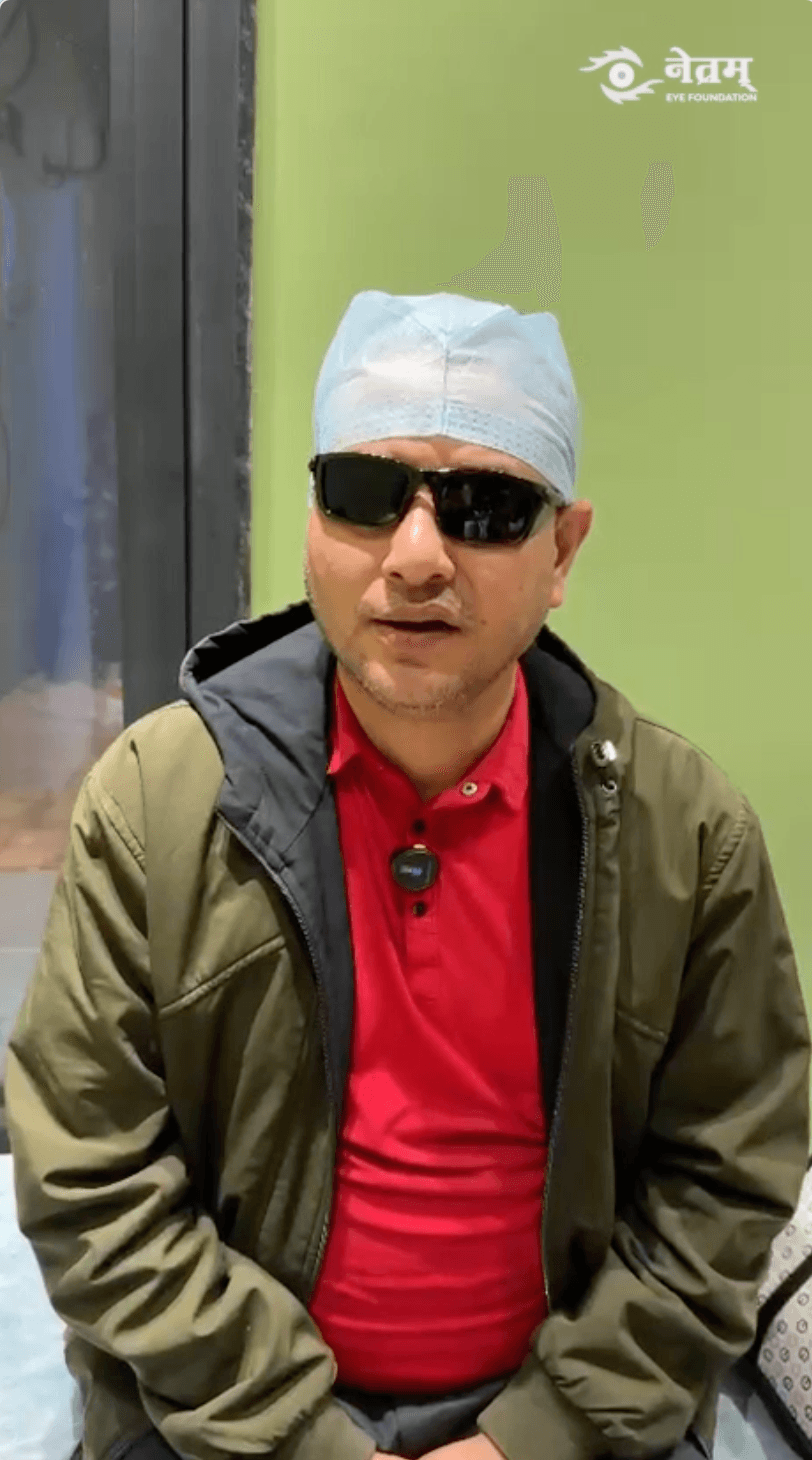
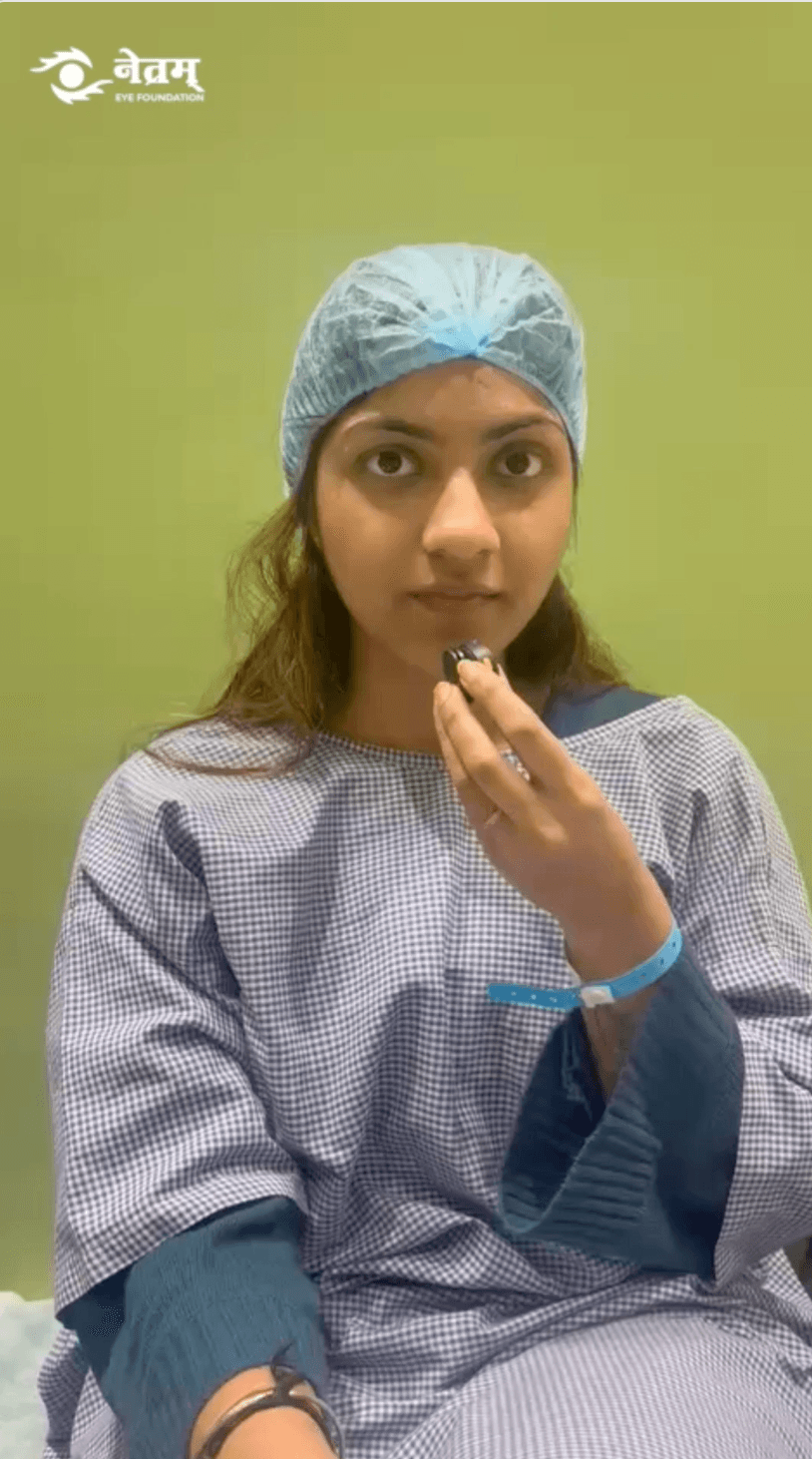
Real Patients, Life-Changing Results

Sonu Kashyap avatar

I’m very thankful to Dr. Anchal Gupta for my successful eye operation. She explained the full process clearly, built my confidence, and made me feel genuinely cared for throughout....

Sonu Kashyap

Eye Surgery Review

Prakash Chetri

Cataract Surgery

Shafiya Meditrip avatar

One month after LASIK, my vision is much clearer at 6/4, beyond expectations. Thank you to Dr. Anchal and the team for such a smooth and reassuring experience....

Shafiya Meditrip

LASIK Review

Ritika Kaushal

LASIK Surgery

Akshita Yadav avatar

I had ICL surgery at Netram and felt supported from consultation to follow-up. Dr. Anchal Gupta and Dr. Neha Sharma explained everything patiently and made the whole journey comfortable and reassuring....

Akshita Yadav

ICL Surgery Review

Subhankar

LASIK Surgery

ALL YOUR QUESTIONS ANSWERED

Frequently Asked Questions About Glaucoma Surgery

What is glaucoma surgery and is it safe?

Glaucoma surgery creates a new drainage pathway for aqueous humour, lowering intraocular pressure and preventing further optic nerve damage. The two main types performed at Netram are trabeculectomy (gold standard) and Ahmed Glaucoma Valve implantation (for complex cases). Both are well-established, widely performed procedures. Trabeculectomy has a 50+ year track record. Serious complications (endophthalmitis, vision loss) occur in less than 1% of cases at experienced centres.

Will glaucoma surgery restore my lost vision?

No — this is one of the most important things to understand about glaucoma surgery. Vision already lost to glaucoma is permanent and cannot be recovered. The optic nerve fibres destroyed by elevated IOP do not regenerate. The purpose of glaucoma surgery is to stop or slow further vision loss — protecting the vision that remains. This is why early diagnosis and timely surgery are so critical.

What is the difference between trabeculectomy and the Ahmed Glaucoma Valve?

Trabeculectomy is an incisional filtration surgery that creates a new drainage opening through the sclera, allowing aqueous to drain into a subconjunctival bleb. It is the gold standard for primary glaucoma. The Ahmed Glaucoma Valve is a drainage implant — a silicone tube connected to an external plate that drains aqueous into a posterior bleb. It is preferred for complex, secondary, or refractory glaucoma where trabeculectomy is high-risk or likely to fail. Trabeculectomy generally achieves lower IOP; the Ahmed valve carries lower risk of early hypotony due to its built-in pressure-sensitive valve.

How long does the effect of glaucoma surgery last?

Trabeculectomy with MMC has a 70–80% complete success rate at 5 years — meaning IOP controlled without any drops. Qualified success (IOP controlled with fewer drops than before) exceeds 90%. Some blebs fail over years due to progressive scarring — revision surgery or additional procedures may be needed. The Ahmed Glaucoma Valve has a similar long-term profile in complex glaucoma cases. Regular monitoring is essential regardless of the procedure.

Will I still need eye drops after glaucoma surgery?

Many patients achieve IOP control without any drops after successful trabeculectomy. However, some patients require one or two drops to supplement surgical IOP control — particularly as the bleb matures and possibly scars over the years. Ahmed Valve patients are more likely to need supplemental drops at some stage. The goal is to reduce drop burden significantly, protect the optic nerve, and preserve vision — not necessarily to eliminate drops entirely.

What is the cost of glaucoma surgery at Netram Eye Foundation?

Trabeculectomy with MMC is priced at ₹25,000 per eye. Ahmed Glaucoma Valve implantation is ₹25,000 per eye plus the cost of the AGV device (consult our team for total package). Combined phaco-trabeculectomy is ₹25,000 for the trabeculectomy component plus the phaco/IOL cost depending on your lens choice. Glaucoma surgery is covered under most insurance policies — our team assists with cashless claim processing. EMI options are also available.

What happens immediately after glaucoma surgery?

You go home the same day in most cases, with an eye shield and antibiotic-steroid drops. The most critical period is the first 2 weeks — your surgeon will review you on Day 1, then at Day 3–7 for bleb assessment and suture adjustment, then weekly for the first month. The bleb (or the Ahmed plate bleb) matures over 4–8 weeks. Vision may be blurry during this period — this is expected and resolves as healing progresses.

What is 'bleb management' and why is it important after trabeculectomy?

The filtering bleb is the elevated area of conjunctiva that forms over the sclerostomy — it is the site through which aqueous drains. Bleb morphology determines long-term IOP control. In the first 2–4 weeks, the surgeon manages the bleb by releasing releasable sutures, performing laser suture lysis, giving 5-FU injections, or applying digital pressure — all to optimise bleb height, size, and function. This active post-operative management is what separates expert trabeculectomy care from average — and it is why the first month of follow-up is intensive and non-negotiable.

Can I have cataract surgery and glaucoma surgery at the same time?

Yes — combined phaco-trabeculectomy is a well-established procedure performed at Netram. It is recommended when both cataracts are visually significant AND glaucoma requires surgical IOP control. The advantages are: one anaesthesia, one recovery, and cataract removal itself lowers IOP by deepening the anterior chamber. The IOP-lowering effect may be slightly less aggressive than standalone trabeculectomy in some cases — your surgeon will discuss whether combined or staged surgery is more appropriate for your specific situation.

Is glaucoma surgery covered by insurance in India?

Yes — glaucoma surgery (trabeculectomy and glaucoma drainage device implantation) is covered under most health insurance policies and government schemes in India including CGHS, ECHS, and most TPA-empanelled policies. At Netram, we are empanelled with major insurance providers and assist patients with pre-authorisation, cashless claims, and reimbursement documentation. Contact our front desk before your appointment to confirm coverage for your specific policy.

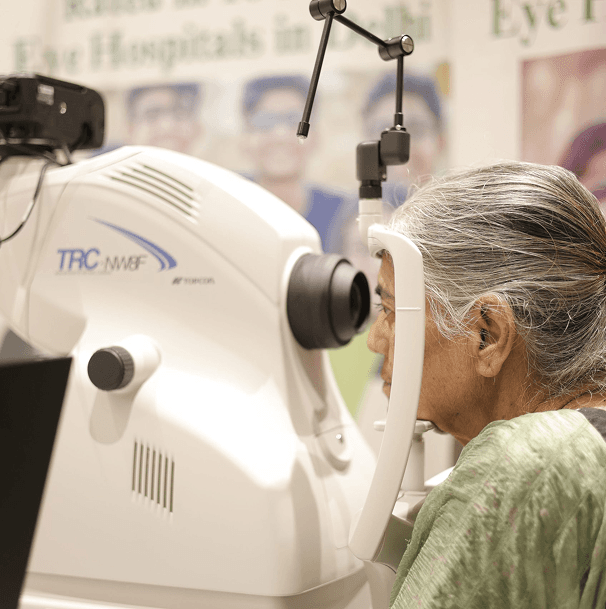
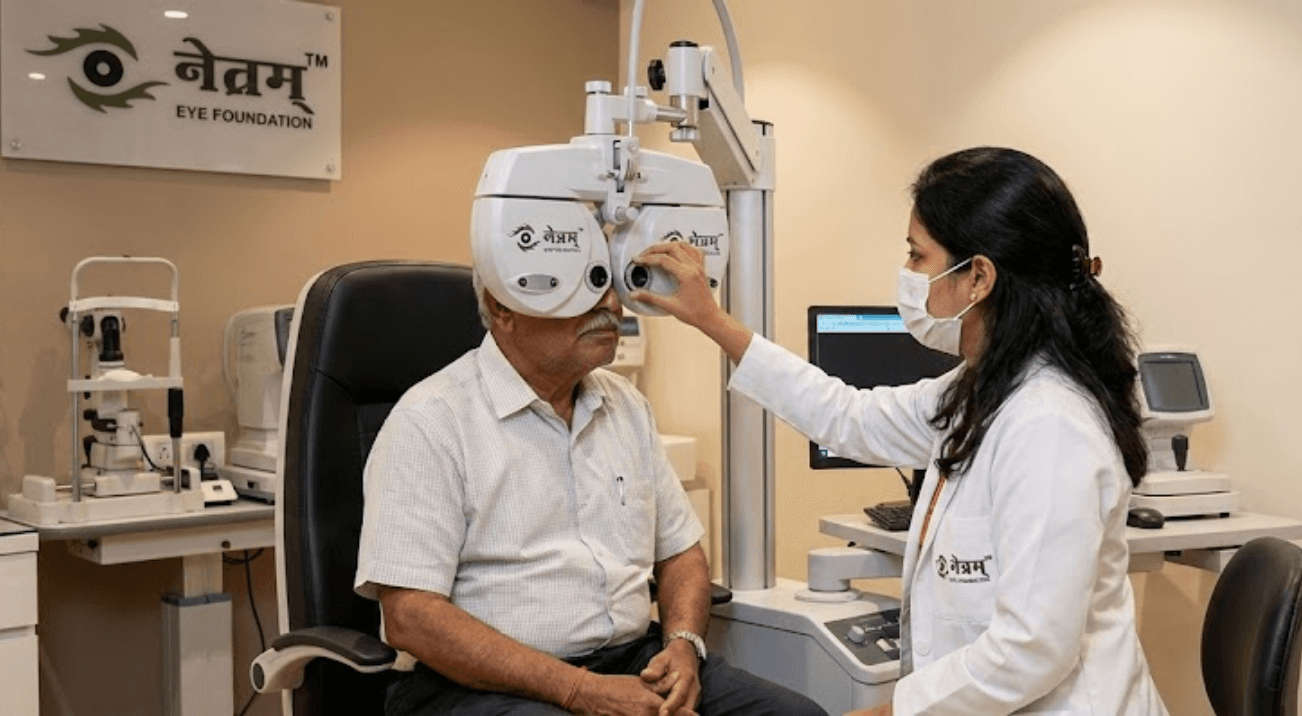
Patient receiving an eye examination

BOOK YOUR CONSULTATION

Glaucoma Doesn't Wait. Neither Should You.