Sudden Eye Pain
Many individuals experiencing an acute angle closure attack develop severe eye pain due to the rapid increase in intraocular pressure.

■UNDERSTANDING THE CONDITION
Angle closure glaucoma occurs when the drainage angle between the iris and cornea becomes narrow or blocked, preventing the aqueous humor from draining properly. Under normal conditions, this fluid circulates through the eye and exits through the drainage angle. When the angle becomes blocked, fluid builds up and causes a sudden increase in intraocular pressure.
This increased pressure can damage the optic nerve, which is responsible for transmitting visual signals to the brain. Angle closure glaucoma can occur suddenly as an acute attack or develop gradually over time. Acute attacks require immediate medical treatment to prevent permanent vision damage, as frequently emphasised by an ophthalmologist in Delhi.
Unlike open angle glaucoma — which is typically silent and progressive — angle closure glaucoma may present with dramatic, unmistakable symptoms. Both forms, however, share the critical endpoint of optic nerve damage and potentially irreversible vision loss if left unmanaged.
Angle closure glaucoma primarily affects the drainage angle of the eye and the optic nerve. The drainage angle, located where the cornea meets the iris, is responsible for regulating fluid outflow and maintaining normal intraocular pressure. When blocked, pressure rises and damages the optic nerve, compromising the transmission of visual signals to the brain.
Angle closure glaucoma is a pressure-related optic nerve disorder caused by blockage of the eye's drainage angle. Key characteristics include:
■CLINICAL PRESENTATION
Symptoms may vary depending on whether the condition develops gradually or presents as an acute attack:
Sudden Eye Pain
Many individuals experiencing an acute angle closure attack develop severe eye pain due to the rapid increase in intraocular pressure.
Blurred Vision
Vision may become blurred when the cornea becomes swollen due to elevated eye pressure, causing a misty or foggy appearance.
Halos Around Lights
Patients may see rainbow-coloured halos around lights, especially at night, due to corneal oedema caused by elevated pressure.
Headache Around the Eyes
The increased pressure inside the eye may cause intense headaches, particularly around the forehead and eye region.
Nausea or Vomiting
Severe eye pressure during an acute attack may trigger nausea or vomiting, sometimes misleading patients into thinking they have a gastrointestinal problem.
Redness of the Eye
The affected eye may appear markedly red and inflamed during an acute episode due to ciliary congestion.
These symptoms indicate a potentially vision-threatening situation requiring urgent ophthalmological evaluation:
Severe Eye Pain with Vision Loss
Immediate evaluationSudden severe eye pain combined with vision loss may indicate an acute glaucoma attack requiring emergency treatment within hours.
Sudden Blurred Vision
Immediate evaluationRapid decline in vision requires immediate medical attention as the optic nerve may be at risk of irreversible damage.
Nausea with Eye Pain
Immediate evaluationNausea or vomiting combined with eye pain during an acute angle closure attack requires emergency treatment.
Halos Around Lights with Headache
Same day evaluationSeeing coloured halos accompanied by headache may indicate rising eye pressure that requires prompt assessment.
Red Painful Eye
Same day evaluationA painful red eye with visual disturbance may indicate increased intraocular pressure requiring urgent evaluation.
Sudden Light Sensitivity
Within 1 weekIncreased sensitivity to light may occur due to corneal swelling from elevated eye pressure and warrants specialist review.

Ask yourself these questions to determine if urgent medical evaluation is needed:
If you answered "yes" to any of these questions, seek immediate evaluation at an eye hospital in Delhi, as acute angle closure glaucoma is a medical emergency.
■TRIGGERS & ROOT CAUSES
While anatomical factors are the primary underlying cause, certain lifestyle behaviours and habits can trigger or worsen angle closure:
Delayed Eye Examinations
HighIndividuals with narrow drainage angles may not be aware of the condition until symptoms develop. Without regular eye examinations, early anatomical risk factors may remain undetected until an acute attack occurs.
Ignoring Early Symptoms
HighEarly symptoms such as mild headaches, eye discomfort, or halos around lights may be dismissed. Delaying medical evaluation may allow pressure to increase and trigger a full acute attack.
Certain Medications
HighSome medications including cold medicines, antihistamines, and certain antidepressants may trigger angle closure in susceptible individuals by causing pupil dilation.
Prolonged Stay in Dark Environments
ModerateExtended time in dark environments causes the pupil to dilate. In susceptible individuals, this dilation may narrow the drainage angle further and precipitate an acute attack.
Poor Awareness of Glaucoma Risk
ModerateIndividuals with family history or anatomical predisposition may not seek preventive screening, allowing the condition to progress undetected.
Delayed Medical Consultation
ModerateWaiting too long after experiencing symptoms such as eye pain or blurred vision may worsen optic nerve damage and reduce the chance of full visual recovery.
Specific anatomical and environmental factors significantly contribute to angle closure risk:
Naturally Narrow Drainage Angle
Some individuals have anatomically narrow angles that make them inherently susceptible to angle closure glaucoma.
Increasing Age (Over 40)
The risk of angle closure glaucoma increases with age, partly due to age-related lens thickening that gradually narrows the drainage angle.
Hyperopia (Farsightedness)
Individuals with smaller eyes and farsightedness often have shallower anterior chambers and narrower drainage angles.
Age-Related Lens Thickening
Progressive thickening of the crystalline lens with age may physically narrow the drainage angle and increase the risk of closure.
Sudden Exposure to Dim Lighting
Rapid pupil dilation in dim lighting can precipitate an acute angle closure attack in anatomically predisposed individuals.
Certain systemic and ocular conditions increase the risk of angle closure glaucoma:
Family History of Glaucoma
Genetic predisposition to narrow drainage angles increases the risk of angle closure, particularly in first-degree relatives of affected individuals.
Cataracts
Lens enlargement due to cataract development may narrow the drainage angle and precipitate angle closure, particularly in eyes already predisposed.
Diabetes
Metabolic conditions such as diabetes may affect ocular structures and circulation, contributing to elevated intraocular pressure risk.
Hypertension
Blood pressure changes may influence ocular circulation and potentially exacerbate intraocular pressure fluctuations.
■CLINICAL EVALUATION
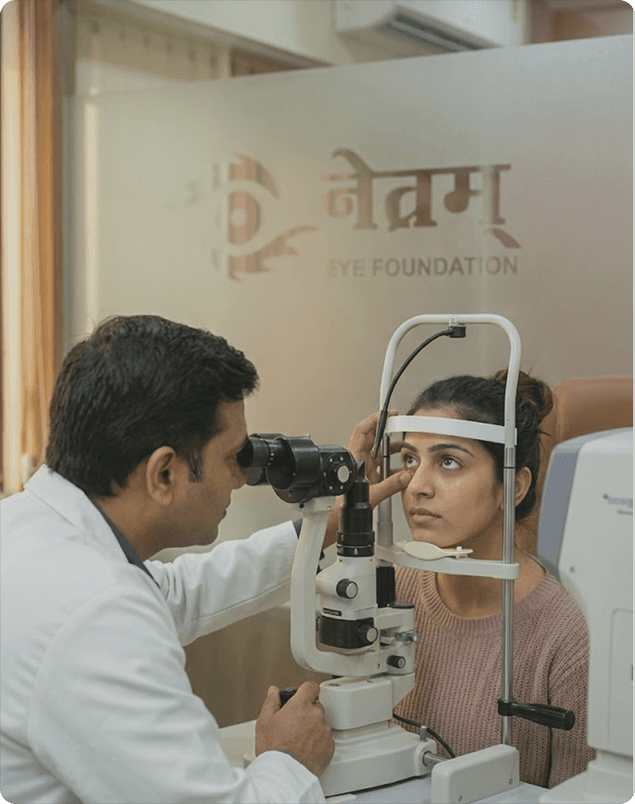
Angle closure glaucoma is diagnosed through a comprehensive glaucoma examination using specialised diagnostic tools:
■MANAGEMENT & TREATMENT
Attend Regular Eye Examinations
Routine glaucoma screening helps detect narrow angles early, allowing preventive treatment before an acute attack occurs.
Follow Prescribed Medications
Glaucoma medications including eye drops help reduce intraocular pressure and must be used as prescribed without interruption.
Avoid Self-Medication
Certain over-the-counter medications may trigger pupil dilation and worsen angle closure in susceptible individuals. Always consult your doctor before taking new medications.
Manage Systemic Health Conditions
Maintaining overall health including blood pressure and blood sugar supports ocular circulation and reduces additional risk factors.
Seek Immediate Care for Symptoms
Sudden eye pain, blurred vision, or halos require urgent medical evaluation as acute angle closure is an ophthalmic emergency.
Follow Specialist Advice Strictly
Adhering to prescribed treatment plans, attending follow-up appointments, and monitoring symptoms diligently helps protect optic nerve health.
Topical and Systemic Pressure-Lowering Medications
For acute pressure reductionBeta-blockers, carbonic anhydrase inhibitors, and prostaglandin analogues are used to rapidly lower intraocular pressure during and after an acute attack.
Laser Peripheral Iridotomy (LPI)
Preventive and therapeuticA small laser opening is made in the iris to allow fluid to bypass the blocked drainage angle, equalising pressure between the anterior and posterior chambers.
Laser Iridoplasty
For plateau iris configurationLaser energy is applied to the peripheral iris to physically pull it away from the drainage angle, improving aqueous outflow.
Glaucoma Filtration Surgery or Cataract Surgery
For refractory or advanced casesIn selected cases, surgical intervention including trabeculectomy or lens extraction may be required to achieve sustained pressure control.

■SURGICAL INTERVENTION
Laser peripheral iridotomy is the primary treatment for angle closure glaucoma and is recommended preventively in eyes with narrow angles, even before symptoms develop. For acute attacks, medications are first used to rapidly lower pressure, followed by laser or surgical intervention. In cases where the lens is contributing to angle narrowing, cataract surgery may simultaneously treat both conditions. Filtration surgery is reserved for cases where adequate pressure control cannot be achieved with laser or medical therapy alone.
Not every patient with narrow angles requires immediate surgical intervention — risk stratification and individualised treatment planning are essential. At Netram Eye Foundation in Delhi, advanced glaucoma diagnostics including gonioscopy and OCT help determine the most appropriate treatment strategy to protect optic nerve health and preserve long-term vision.
■ALL YOUR QUESTIONS ANSWERED
It occurs when the drainage angle between the iris and the cornea becomes narrow or completely blocked, preventing the normal outflow of aqueous humor. This causes a buildup of fluid and a rise in intraocular pressure. Anatomical factors such as a naturally shallow anterior chamber, a thick or forward-positioned lens, and a narrow drainage angle are the primary predisposing causes. Triggers such as pupil dilation in dim lighting or certain medications can precipitate an acute attack in susceptible individuals.
Yes. Acute angle closure glaucoma is a true ophthalmic emergency. The sudden, dramatic rise in intraocular pressure can cause irreversible damage to the optic nerve within hours if left untreated. Symptoms include severe eye pain, headache, nausea, blurred vision, and halos around lights. Anyone experiencing these symptoms should seek emergency eye care immediately, as timely treatment is critical to preventing permanent vision loss.
Yes, if an acute attack is not treated promptly, the resulting damage to the optic nerve can lead to permanent and severe vision loss, potentially including blindness in the affected eye. Even in the chronic form, progressive optic nerve damage can occur silently over time. This is why both preventive screening for narrow angles and prompt treatment of acute episodes are essential for protecting long-term vision.
Treatment typically involves a combination of approaches. In acute attacks, pressure-lowering medications are administered immediately to reduce intraocular pressure. This is usually followed by laser peripheral iridotomy — a procedure that creates a small opening in the iris to allow normal fluid circulation. In some cases, particularly when lens enlargement is contributing to the angle narrowing, cataract surgery may also be recommended. The other eye is often treated preventively, as the condition is frequently bilateral.
Yes, in many cases it can be prevented or the risk significantly reduced. Regular glaucoma screening — particularly for individuals over 40, those with farsightedness, or those with a family history of glaucoma — allows detection of narrow angles before an acute attack occurs. Preventive laser peripheral iridotomy can be performed in eyes identified as high risk. Avoiding medications that cause pupil dilation in susceptible individuals also reduces the risk of precipitating an attack.
Individuals at highest risk include those with farsightedness (hyperopia), naturally narrow drainage angles, increasing age (over 40), a family history of glaucoma, and those of East Asian, South Asian, or Inuit descent. Women appear to be affected more commonly than men. Regular eye examinations are particularly important for these high-risk groups to identify narrow angles early and initiate preventive treatment before any acute episode occurs.
Still have questions? Our team is here to help.
Schedule Consultation
REQUEST AN APPOINTMENT