Gradual Loss of Peripheral Vision
One of the earliest signs is a gradual loss of side vision, developing so slowly that it usually goes unnoticed during everyday activities until significant damage has occurred.

■UNDERSTANDING THE CONDITION
Open angle glaucoma occurs when the drainage channels of the eye — the trabecular meshwork — gradually become less efficient at removing aqueous humor. The eye constantly produces this clear fluid, which normally drains through a mesh-like structure in the drainage angle. When this drainage system becomes partially blocked or inefficient, fluid accumulates and increases intraocular pressure.
Over time, the increased pressure damages the optic nerve fibres, particularly those serving peripheral vision. Unlike acute angle closure glaucoma, open angle glaucoma usually develops slowly and painlessly. Vision loss often begins in the peripheral (side) field and may go unnoticed until the disease has progressed significantly — a characteristic that makes regular screening essential, as emphasised by specialists at a glaucoma clinic in Delhi.
Although elevated intraocular pressure is the primary risk factor, some individuals develop glaucomatous optic nerve damage at normal pressures (normal tension glaucoma). Once optic nerve damage occurs, it is irreversible — making early detection and treatment focused on preventing further progression rather than restoring lost vision.
Open angle glaucoma primarily affects the optic nerve — the cable-like structure carrying approximately 1.2 million nerve fibres that transmit visual signals from the retina to the brain. Progressive damage to these fibres causes characteristic visual field defects, beginning in the peripheral field and gradually encroaching on central vision in advanced disease.
Open angle glaucoma is a chronic, progressive optic nerve disease associated with elevated intraocular pressure. Key characteristics include:
■CLINICAL PRESENTATION
Open angle glaucoma often develops silently — early symptoms may be subtle or completely absent:
Gradual Loss of Peripheral Vision
One of the earliest signs is a gradual loss of side vision, developing so slowly that it usually goes unnoticed during everyday activities until significant damage has occurred.
Difficulty Noticing Objects from the Side
Individuals may begin to miss objects approaching from the sides or have difficulty noticing things in their peripheral visual field.
Tunnel Vision in Advanced Stages
As the disease progresses, the visual field narrows significantly, creating a tunnel-like effect where only central vision remains intact.
Difficulty Navigating in Dim Light
Reduced peripheral awareness combined with contrast sensitivity loss may make it difficult to move safely in low-light environments.
Frequent Changes in Glasses Prescription
Some patients notice gradual visual changes that require more frequent updates to their spectacle prescription.
Reduced Contrast Sensitivity
Objects may appear less distinct, particularly in dim lighting or low-contrast environments, as optic nerve function declines.
These symptoms indicate significant glaucoma progression and require urgent specialist evaluation:
Sudden Vision Decline
Immediate evaluationA noticeable and acute decline in vision may indicate significant optic nerve damage or an associated vascular event requiring urgent assessment.
Tunnel Vision
Immediate evaluationLoss of peripheral vision leading to a severely constricted visual field indicates advanced disease with extensive optic nerve damage.
Sudden Visual Disturbances
Same day evaluationUnexpected and sudden changes in vision should be evaluated immediately to rule out acute decompensation or associated vascular complications.
Difficulty Seeing in Peripheral Field
Within 1 weekNoticeable difficulty noticing objects from the sides or frequent collisions with objects may indicate early to moderate glaucoma progression.
Persistent Progressive Vision Changes
Within 1 weekGradual worsening of vision that is noticeable over months should not be ignored and warrants a comprehensive glaucoma evaluation.

Ask yourself these questions to determine if glaucoma screening is needed:
If you answered "yes" to any of these questions, schedule a comprehensive glaucoma screening at an eye hospital in Delhi — early detection is the only way to prevent irreversible vision loss from this silent condition.
■TRIGGERS & ROOT CAUSES
While the root cause is impaired drainage, several lifestyle and awareness factors determine whether the condition is detected before irreversible damage occurs:
Delayed Eye Examinations
HighOpen angle glaucoma develops without early symptoms. Without regular eye examinations including intraocular pressure measurement and optic nerve assessment, elevated pressure may go undetected for years.
Ignoring Family History of Glaucoma
HighFirst-degree relatives of glaucoma patients have a 4–9 times higher risk of developing the condition. Lack of awareness or failure to act on this family history delays preventive screening.
Poor Awareness of Silent Disease Progression
HighMany individuals do not undergo routine eye check-ups unless they experience obvious symptoms. Because glaucoma progresses silently, this lack of preventive care often results in late-stage diagnosis.
Chronic Stress and Lifestyle Imbalance
ModerateChronic stress may contribute to fluctuations in systemic blood pressure and ocular perfusion, which can influence optic nerve health and circulation.
Excessive Screen Time Without Breaks
LowProlonged screen use may lead to eye fatigue and delayed recognition of peripheral vision changes in individuals with early glaucoma.
Ignoring Subtle Early Vision Changes
ModerateSubtle changes in peripheral vision are easily overlooked in everyday life. Delaying medical evaluation when these changes are noticed may allow further optic nerve damage.
Specific ocular characteristics significantly influence glaucoma risk:
Elevated Intraocular Pressure
High eye pressure remains the most important modifiable risk factor for optic nerve damage in open angle glaucoma.
Thin Central Cornea
Individuals with thinner corneas are at higher risk of developing glaucoma and may have artificially low intraocular pressure readings with standard tonometry.
Large Optic Disc Cup-to-Disc Ratio
A large cup-to-disc ratio on optic nerve assessment may indicate glaucomatous nerve fibre loss and warrants closer monitoring.
Previous Eye Injury
Ocular trauma may damage drainage structures and lead to secondary open angle glaucoma even years after the initial injury.
Prolonged Steroid Use
Long-term use of steroid eye drops, inhaled corticosteroids, or oral steroids can elevate intraocular pressure (steroid-response glaucoma).
Several systemic and genetic conditions significantly increase glaucoma risk:
Family History of Glaucoma
Genetic predisposition is a major risk factor; first-degree relatives of glaucoma patients have substantially elevated lifetime risk.
Diabetes Mellitus
Diabetes affects optic nerve vasculature and may increase susceptibility to glaucomatous damage, particularly in normal tension glaucoma.
Hypertension and Cardiovascular Disease
Both high and low blood pressure may affect ocular perfusion pressure and optic nerve blood supply, influencing glaucoma risk and progression.
High Myopia (Severe Nearsightedness)
Highly myopic eyes have structural features — including a larger optic disc and thinner lamina cribrosa — that make the optic nerve more vulnerable to pressure-related damage.
■CLINICAL EVALUATION
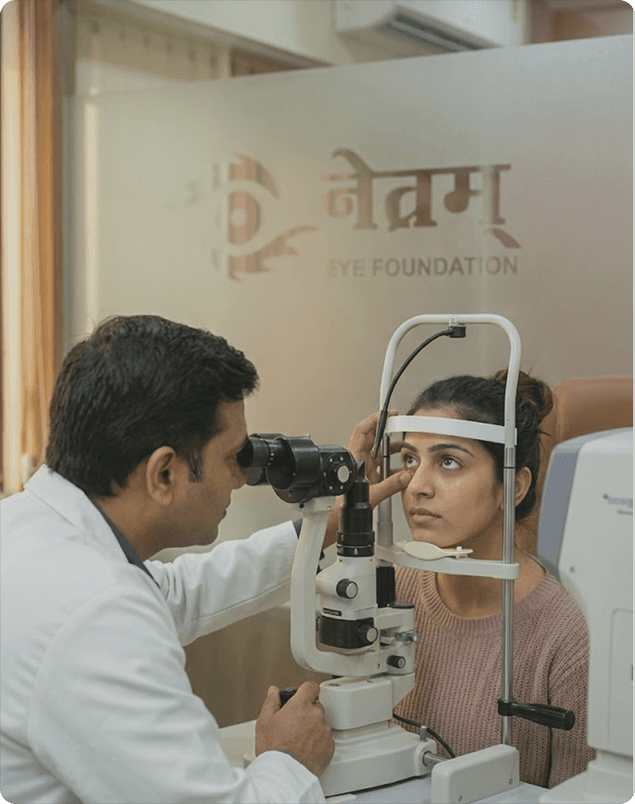
Open angle glaucoma is diagnosed through a comprehensive glaucoma evaluation encompassing pressure measurement, optic nerve assessment, and functional testing:
■MANAGEMENT & TREATMENT
Follow Prescribed Eye Drop Treatment
Glaucoma eye drops must be instilled consistently as prescribed. Missing doses allows intraocular pressure to rise and optic nerve damage to progress.
Attend Regular Glaucoma Monitoring
Routine monitoring including visual field testing and OCT is essential for detecting disease progression and adjusting treatment appropriately.
Maintain Healthy Blood Pressure
Proper cardiovascular health maintains adequate ocular perfusion pressure and supports optic nerve blood supply.
Protect Eyes from Injury
Ocular trauma can damage drainage structures and worsen glaucoma. Use protective eyewear during sports and activities with injury risk.
Manage Chronic Medical Conditions
Conditions such as diabetes and hypertension must be well managed, as they affect optic nerve vasculature and can accelerate glaucoma progression.
Regular Aerobic Exercise
Moderate regular exercise has been shown to modestly reduce intraocular pressure and improve ocular blood flow, providing additional benefit alongside medical treatment.
Topical Pressure-Lowering Eye Drops
First-line treatmentProstaglandin analogues, beta-blockers, carbonic anhydrase inhibitors, and alpha-agonists reduce intraocular pressure through different mechanisms and are used individually or in combination.
Selective Laser Trabeculoplasty (SLT)
Laser treatment for drainage enhancementLaser energy stimulates the trabecular meshwork to improve aqueous drainage, reducing intraocular pressure. Can be used as first-line treatment or to supplement medication.
Minimally Invasive Glaucoma Surgery (MIGS)
For mild to moderate glaucomaMicro-surgical procedures including trabecular bypass stents and goniotomy improve drainage with fewer complications than traditional surgery.
Trabeculectomy or Glaucoma Drainage Devices
For advanced or refractory glaucomaSurgical creation of a new drainage pathway (trabeculectomy) or implantation of a drainage tube device achieves significant pressure reduction in cases where medications and laser are insufficient.

■SURGICAL INTERVENTION
Surgery is not the first choice for most patients with open angle glaucoma — medical treatment with eye drops and laser trabeculoplasty are typically tried first. However, when intraocular pressure cannot be adequately controlled with medications and laser therapy, or when glaucoma continues to progress despite treatment, surgical intervention becomes necessary. Options include trabeculectomy (the gold standard surgical procedure), glaucoma drainage implants, and minimally invasive glaucoma surgery (MIGS) procedures that offer effective pressure reduction with fewer risks.
The goal of surgery is to lower intraocular pressure sufficiently to prevent further optic nerve damage and visual field loss. It cannot restore vision that has already been lost. At Netram Eye Foundation in Delhi, comprehensive glaucoma management combines advanced diagnostics, personalised pressure targets, and the full spectrum of medical, laser, and surgical treatments to optimise long-term visual outcomes for each patient.
■ALL YOUR QUESTIONS ANSWERED
Open angle glaucoma occurs when the trabecular meshwork — the drainage filter of the eye — gradually becomes less efficient, causing aqueous humor to accumulate and intraocular pressure to rise. This elevated pressure progressively damages the optic nerve fibres over time. The exact cause of the trabecular meshwork dysfunction is not fully understood but involves age-related changes, genetic factors, and in some cases normal-tension variants where optic nerve damage occurs without elevated pressure.
No. Open angle glaucoma typically develops without any pain or discomfort, which is why it is called the 'silent thief of sight.' Unlike acute angle closure glaucoma — which presents with severe eye pain, headache, and nausea — open angle glaucoma causes no symptoms in early stages. Vision loss occurs so gradually, beginning in the peripheral field, that it often goes completely unnoticed until significant optic nerve damage has occurred.
Yes, if untreated or poorly managed, open angle glaucoma can progress to severe visual field loss and ultimately blindness. It is one of the leading causes of irreversible blindness worldwide. However, with early detection and appropriate treatment to lower intraocular pressure, most patients can retain good functional vision throughout their lives. The key is that once lost, optic nerve tissue and the corresponding vision cannot be restored — making prevention of progression the primary goal of treatment.
Yes. Glaucoma is treatable, and in most cases vision loss can be slowed or stopped with appropriate management. Treatment options include topical pressure-lowering eye drops, selective laser trabeculoplasty, minimally invasive surgery, and traditional glaucoma filtration surgery. The choice of treatment depends on the severity of the disease, the target intraocular pressure required, and individual patient factors. Treatment is lifelong, and regular monitoring is essential.
No. Optic nerve damage caused by glaucoma is irreversible with current treatments. Vision that has already been lost cannot be recovered. This is why early detection and prevention of further progression are the central goals of glaucoma management. Treatment lowers intraocular pressure to reduce the risk of additional nerve damage, effectively protecting the vision that remains rather than restoring what has been lost.
Regular glaucoma screening is recommended for all individuals over the age of 40, and from age 35 for those with increased risk factors. High-risk groups include people with a family history of glaucoma, those of African descent, individuals with high myopia, people with elevated intraocular pressure, those who have had previous eye injuries, and patients on long-term steroid therapy. A comprehensive eye examination including intraocular pressure measurement, optic nerve assessment, and visual field testing provides the most complete glaucoma screening.
Still have questions? Our team is here to help.
Schedule Consultation
REQUEST AN APPOINTMENT