Blurred Central Vision
One of the most common symptoms is blurred central vision. Patients notice that objects appear less sharp, especially when reading or focusing on detailed tasks.

■UNDERSTANDING THE CONDITION
An epiretinal membrane is a thin layer of fibrous tissue that forms on the inner surface of the retina, particularly over the macula. This membrane may develop when cells migrate onto the retinal surface and proliferate abnormally. In most cases, it is associated with age-related posterior vitreous detachment — the natural separation of the vitreous gel from the retina that occurs with aging.
In some cases, the membrane contracts slightly and causes the macula to wrinkle or distort. Because the macula is responsible for detailed central vision — including reading, recognising faces, and fine detail work — this distortion can interfere significantly with daily visual function. As assessed at a retinal clinic in Delhi, the degree of visual disturbance correlates with the thickness and contractility of the membrane.
Epiretinal membranes are most commonly seen in people over the age of 50. In many cases the condition progresses slowly and may only require monitoring. However, more advanced or symptomatic cases may benefit from surgical treatment with vitrectomy and membrane peeling.
Epiretinal membrane primarily affects the macula — the central part of the retina responsible for detailed, high-resolution vision. The fibrous membrane forms on the retinal surface and can create traction that wrinkles or distorts the macular tissue, interfering with the precise focusing required for central vision tasks.
Epiretinal membrane is a retinal surface disorder affecting central vision. Key characteristics include:
■CLINICAL PRESENTATION
Many people with epiretinal membrane initially notice only subtle changes in their central vision that develop gradually:
Blurred Central Vision
One of the most common symptoms is blurred central vision. Patients notice that objects appear less sharp, especially when reading or focusing on detailed tasks.
Distorted Vision (Metamorphopsia)
Straight lines may appear wavy or bent — lines of text, door frames, or grid patterns may appear slightly distorted or kinked.
Difficulty Reading
Patients may find it increasingly harder to read books, newspapers, or digital screens as the central vision becomes less clear and letters appear distorted.
Difficulty Recognising Faces
Because the macula controls detailed central vision, recognising faces from a distance or in detail may become gradually more challenging.
Reduced Visual Clarity
Objects may appear slightly blurred, less defined, or as if viewed through slightly frosted glass compared to the fellow eye.
Double Vision in One Eye (Monocular Diplopia)
Some individuals may notice slight double vision or overlapping images specifically in the affected eye, caused by macular distortion from membrane traction.
These symptoms suggest more significant macular involvement and require prompt retinal evaluation:
Rapid Decline in Central Vision
Immediate evaluationA sudden worsening of central vision may indicate rapid membrane progression or an associated complication such as macular oedema requiring urgent assessment.
Dark Spot in Central Vision
Same day evaluationA dark or empty area appearing in the centre of vision may indicate significant macular involvement or a secondary macular hole requiring urgent evaluation.
Sudden Increase in Visual Distortion
Same day evaluationIf straight lines suddenly appear significantly more distorted than before, it may indicate rapid progression of the membrane requiring reassessment.
Difficulty Performing Daily Tasks
Within 1 weekIf reading, driving, or recognising faces becomes significantly difficult due to central vision changes, a specialist retinal evaluation is recommended.
Persistent or Worsening Blurred Vision
Within 1 weekOngoing blurred central vision that is noticeably worsening over weeks may indicate progression of the membrane and the need to consider treatment.

Ask yourself these questions to determine if medical evaluation is needed:
If you answered "yes" to any of these questions, schedule a retinal evaluation with an eye specialist in Delhi — early detection allows monitoring and timely treatment when appropriate.
■TRIGGERS & ROOT CAUSES
Epiretinal membranes most commonly develop due to age-related changes in the vitreous gel, though several factors can influence risk and progression:
Age-Related Vitreous Detachment
HighAs people age, the vitreous gel gradually shrinks and separates from the retina (posterior vitreous detachment). This process can stimulate the growth of cells on the retinal surface that form the epiretinal membrane.
Ignoring Early Vision Changes
ModerateSubtle symptoms such as mild distortion or blurred central vision are often ignored or attributed to normal aging. Delayed medical evaluation may allow the membrane to thicken further.
Lack of Routine Eye Examinations
ModerateRegular retinal examinations help detect early membrane formation. Without periodic evaluation, epiretinal membranes may remain undetected until vision becomes noticeably affected.
Delayed Treatment of Retinal Conditions
ModerateUntreated retinal tears, inflammation, or detachments may contribute to the formation of scar tissue on the retinal surface, increasing ERM risk.
Eye Trauma or Injury
LowInjury to the eye may trigger healing responses that stimulate abnormal cell proliferation on the retinal surface, leading to membrane formation.
Limited Awareness of Retinal Symptoms
LowMany patients are unaware that distorted vision or wavy lines may indicate a treatable retinal condition, often leading to delays in seeking evaluation.
Specific ocular conditions increase the likelihood of epiretinal membrane development:
Posterior Vitreous Detachment
Natural age-related separation of the vitreous gel from the retina is the most common event preceding epiretinal membrane formation.
Previous Retinal Tears or Detachment
Prior retinal injuries or surgical repair may stimulate the growth of fibrous scar tissue on the retinal surface.
Previous Eye Surgery
Certain procedures, including cataract surgery and laser treatment, may slightly increase the risk of epiretinal membrane development.
Retinal Vascular Conditions
Conditions affecting retinal blood vessels, such as retinal vein occlusion, can trigger the proliferative response that leads to membrane formation.
Ocular Inflammatory Conditions (Uveitis)
Inflammatory eye disease may contribute to abnormal cell migration and growth on the retinal surface.
Certain systemic and retinal conditions predispose individuals to epiretinal membrane formation:
Diabetic Retinopathy
Diabetes affects retinal blood vessels and the vitreoretinal interface, increasing the risk of fibrous membrane formation on the retinal surface.
Retinal Vein Occlusion
Blockage of retinal veins triggers inflammatory and proliferative responses that may stimulate epiretinal membrane development.
Inflammatory Uveitis
Chronic intraocular inflammation may weaken retinal tissue and stimulate the growth of fibrous membranes on the macular surface.
Retinal Detachment History
Previous retinal detachment or its surgical repair significantly increases the risk of developing proliferative membranes including epiretinal membranes.
■CLINICAL EVALUATION
Epiretinal membrane is diagnosed through comprehensive retinal examination and imaging by a specialist:

■MANAGEMENT & TREATMENT
Monitor Visual Changes
Use an Amsler grid daily to monitor for new or worsening distortion in central vision, and report any significant changes to your specialist promptly.
Attend Regular Eye Examinations
Routine retinal follow-up appointments allow monitoring of membrane progression and enable timely surgical decision-making.
Protect Eyes from Injury
Avoid activities that increase the risk of ocular trauma, which can trigger or worsen vitreoretinal interface changes.
Manage Existing Eye Conditions
Conditions such as diabetic retinopathy or retinal vein occlusion should be actively managed, as these may contribute to ERM formation and progression.
Control Systemic Conditions
Managing blood sugar, blood pressure, and cholesterol supports retinal vascular health and may slow progression of associated retinal changes.
Maintain Healthy Lifestyle Habits
A balanced diet rich in antioxidants, regular exercise, and not smoking support long-term retinal health and overall vascular wellbeing.
Watchful Waiting (Observation)
For mild, non-progressing casesMany epiretinal membranes remain stable and cause only mild symptoms. Regular monitoring with OCT and Amsler grid is appropriate in these cases.
Updated Optical Correction
For mild visual impairmentUpdating the spectacle prescription may compensate for mild refractive changes associated with macular distortion and improve functional vision.
Vitrectomy with Membrane Peeling
For symptomatic or progressing casesSurgical removal of the vitreous and careful peeling of the epiretinal membrane and internal limiting membrane reduces traction and allows the retina to flatten.
Post-Surgical Visual Rehabilitation
After surgeryFollowing membrane peeling surgery, visual recovery occurs over 3–12 months. Optical correction and low vision aids may support rehabilitation.

■SURGICAL INTERVENTION
Surgery is not required for all epiretinal membranes — many cases are monitored without intervention. When vision becomes significantly affected and interferes with daily activities such as reading, driving, or face recognition, vitrectomy with membrane peeling is recommended. The procedure involves removing the vitreous gel and carefully peeling the epiretinal membrane from the retinal surface under high-powered microscopic visualisation. Most patients experience gradual improvement in central vision over several months following surgery.
Surgical outcomes are generally favourable, with the majority of patients experiencing improvement in both visual acuity and distortion. Outcomes are best when surgery is performed before extensive macular changes occur. At Netram Eye Foundation in Delhi, advanced vitreoretinal surgical techniques and state-of-the-art imaging allow precise membrane characterisation and careful surgical planning to achieve the best possible visual outcomes.
■ALL YOUR QUESTIONS ANSWERED
Epiretinal membranes most commonly develop as a result of age-related posterior vitreous detachment — the natural separation of the vitreous gel from the retina as people age. During or after this process, cells may migrate onto the retinal surface and form a fibrous membrane over the macula. Less commonly, ERMs can develop after eye surgery, retinal tears or detachment, inflammation, diabetic retinopathy, or retinal vein occlusion.
Many epiretinal membranes are mild and remain stable without causing significant visual impairment. Patients may notice only subtle symptoms that do not interfere meaningfully with daily life. However, in more advanced cases the membrane can cause progressive central vision distortion and blurring that affects reading, face recognition, and fine detail tasks. Serious complications such as macular holes can occasionally develop in association with ERMs. Regular monitoring is important to detect progression early.
There is currently no effective non-surgical treatment to remove or dissolve an epiretinal membrane. Mild cases are managed with observation and monitoring of visual function. Updated glasses or contact lenses may help compensate for mild refractive changes. When symptoms become significant enough to affect daily function, surgery (vitrectomy with membrane peeling) is the only effective treatment to physically remove the membrane.
Yes. Epiretinal membrane is predominantly a condition of older adults, with incidence increasing after age 50. It affects approximately 7% of people over 60 and becomes more common with advancing age. The primary underlying cause — posterior vitreous detachment — is itself a natural aging process. Younger patients who develop ERMs are more likely to have an identifiable underlying cause such as previous retinal detachment, surgery, or inflammatory eye disease.
Epiretinal membrane is diagnosed through a combination of clinical examination and imaging. The gold standard diagnostic tool is optical coherence tomography (OCT), which provides detailed cross-sectional images of the retinal layers and allows precise visualisation of membrane thickness, retinal contour changes, and the presence of associated macular oedema. Dilated fundus examination with a slit-lamp and Amsler grid testing are also important components of the evaluation.
Yes, the majority of patients experience improvement in central vision following vitrectomy and membrane peeling. However, recovery is gradual — significant improvement may occur over 3 to 12 months after surgery, and complete resolution of distortion is not always achieved. Results are generally better in patients who undergo surgery earlier in the course of the disease before extensive macular changes develop. Your surgeon will discuss realistic expectations based on OCT findings and visual assessment prior to surgery.
Still have questions? Our team is here to help.
Schedule Consultation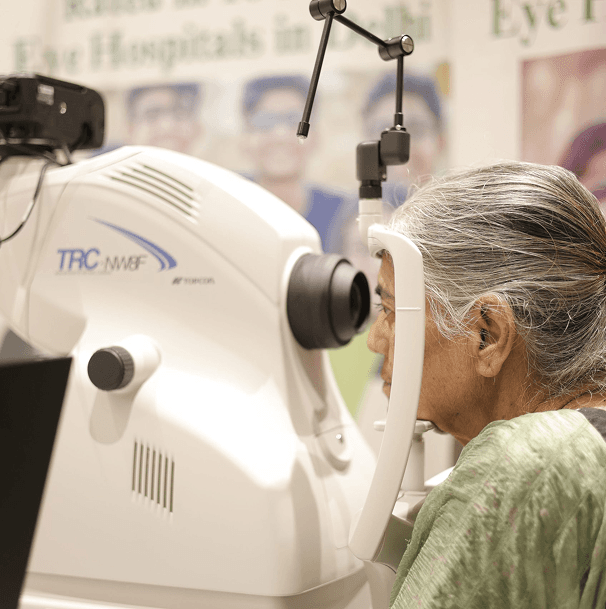
REQUEST AN APPOINTMENT