
Vision Therapy in Delhi

Vision Therapy in Delhi

Training the Eyes. Rewiring the Brain. Restoring Visual Function.

5%

Children Have Convergence Insufficiency

73%

CITT Success Rate — Office Therapy

12–24

Weeks — Typical Programme Duration

4.9/5

(2k+ Reviews, Google)

WHY CHOOSE NETRAM

Evidence-Based Vision Therapy Rooted in Clinical Precision

Individualised Therapy Programmes — Not Generic Exercises

Every vision therapy programme at Netram is designed from scratch after a comprehensive binocular vision evaluation. The exercises, tools, frequency, and targets are calibrated to the individual — not taken from a standard protocol.
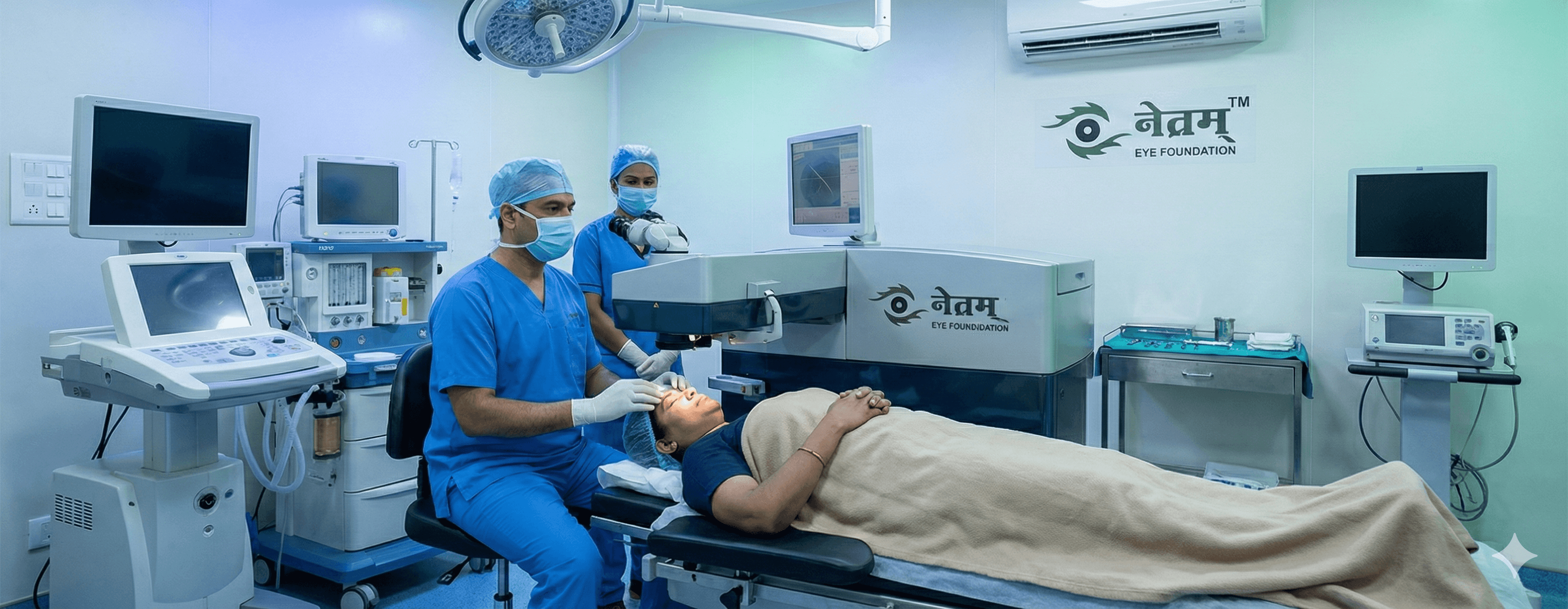
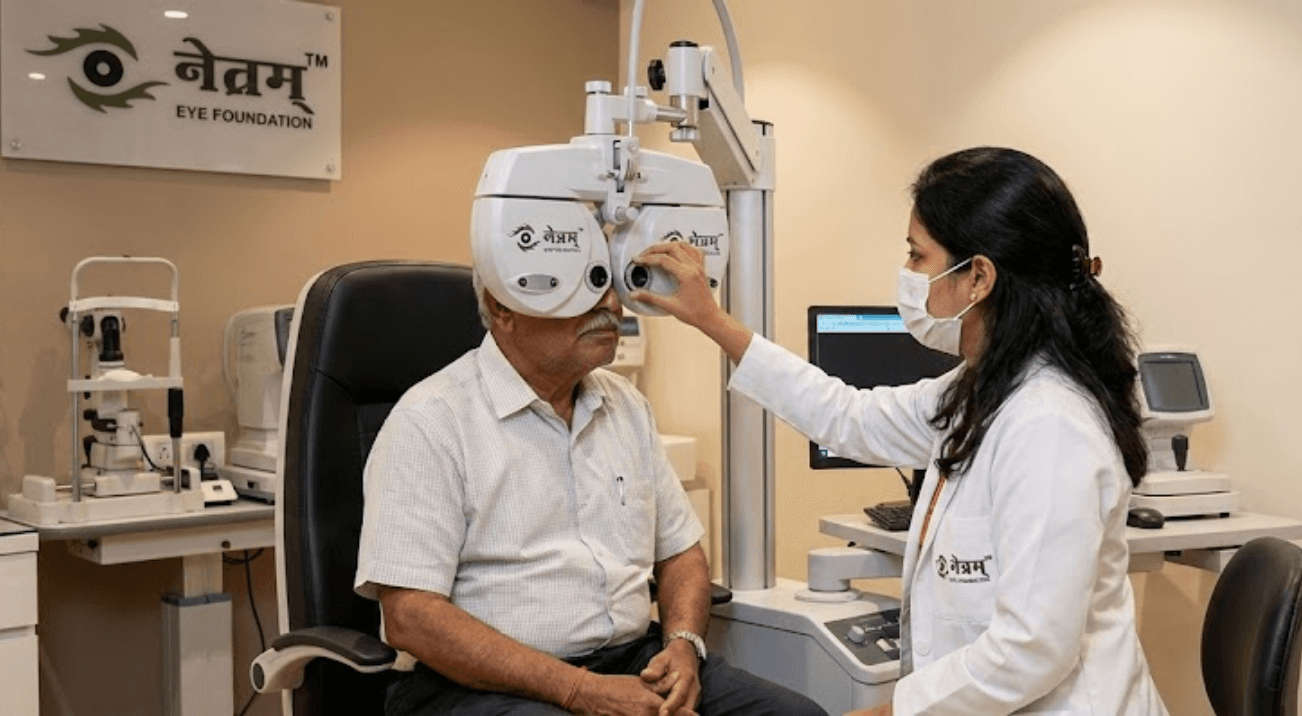
In-Office Therapy Supported by Home Reinforcement

Our model combines supervised in-office sessions — where the therapist monitors technique, progression, and compliance — with structured home exercises that reinforce what is taught in clinic. This two-track approach accelerates outcomes and ensures skills are internalised, not just performed under supervision.

Treating the Root Cause — Not Just the Symptom

Headaches after reading. Words moving on the page. Poor sports performance. Difficulty with concentration. These are often vision problems masquerading as attention or learning disorders. We identify the underlying binocular dysfunction and treat it directly — not the downstream symptoms.

Objective Progress Measurement at Every Stage

Vision therapy at Netram is not a subjective "feel better" process. We measure vergence ranges, accommodative amplitude, saccadic accuracy, stereoacuity, and visual processing speed at baseline and at every milestone. Every patient has a documented progress chart — so you can see the improvement, not just feel it.

Paediatric-Focused — But Effective at Any Age

The majority of vision therapy patients are children — but the visual system remains trainable well into adulthood. Adults with convergence insufficiency, acquired brain injury, post-concussion visual dysfunction, and digital eye strain respond extremely well to vision therapy. We treat patients from age 4 to 60+.

Transparent Programme Pricing — No Hidden Session Fees

Vision therapy at Netram is priced as a complete programme, not an open-ended series of individual sessions with no defined endpoint. You know what you are getting, how long it takes, and what it costs — before you begin.

Your Vision Deserves More Than Glasses Alone.

Your Vision Deserves More Than Glasses Alone.

Book a comprehensive binocular vision evaluation today.

Schedule Consultation

TREATMENT OVERVIEW

Understanding Vision Therapy and When It Is Needed

What is Vision Therapy and Who Needs It?

Vision therapy is a clinically supervised programme of specialised exercises designed to improve the way the brain and eyes work together — a function known as binocular vision. It is distinct from glasses, contact lenses, and surgery. Where glasses correct refractive error (blurred vision), vision therapy corrects neuromuscular and visual processing problems that glasses cannot address. The most common and well-researched condition treated is convergence insufficiency — the inability of the eyes to turn inward together for comfortable near work. The CITT study (funded by the US National Eye Institute) demonstrates that office-based vision therapy is significantly more effective than home exercises or reading glasses for convergence insufficiency.

What Vision Therapy Treats — and What It Does Not

Vision therapy treats convergence insufficiency, accommodative dysfunction, oculomotor disorders (poor saccades and pursuits), amblyopia as an adjunct to patching, post-squint surgery binocular vision development, post-concussion visual syndrome, and visual perceptual and processing disorders. Vision therapy is not a cure for myopia, nor a substitute for glasses in refractive errors. It does not treat eye diseases such as glaucoma, cataract, or retinal conditions. It is specifically indicated for functional and binocular vision problems — and within those indications, the evidence is strong.

Conditions We Treat with Vision Therapy

Convergence Insufficiency (CI) — Most Common

The inability of both eyes to turn inward comfortably for sustained near work such as reading and screens. It commonly causes eyestrain, headaches, blur, double vision at near, and losing place while reading.

73% CITT success rate — office-based therapy

Amblyopia (Lazy Eye) — Adjunctive Therapy

Reduced vision in one eye from abnormal visual development in childhood, not corrected by glasses alone. Vision therapy supports patching or older-child rehabilitation through dichoptic and binocular stimulation to improve use of the weaker eye.

Better binocular outcomes than patching alone

Accommodative Dysfunction — Focus Problems

Focusing problems where accommodation is weak, inflexible, or in spasm. Patients may have blur at near, headaches with reading, slow focus shifts between board and book, and distance blur after prolonged close work.

Results typically seen within 8–12 weeks

Oculomotor Dysfunction — Eye Movement Problems

Inefficient saccades and pursuits can make reading and tracking difficult despite otherwise normal eyesight. Common signs include re-reading lines, skipping words, slow reading speed, poor ball-sport tracking, and trouble copying from the board.

Often improves reading fluency quickly once treated

Visual Processing & Perceptual Disorders

The eyes may be healthy, but the brain may struggle to process and interpret visual information efficiently. These problems can affect visual memory, discrimination, spatial relationships, spelling, handwriting, and reading-related learning.

May be integrated with OT and learning support

Post-Concussion Visual Syndrome & Neuro-Rehabilitation

Even mild head injury can disrupt vergence, accommodation, eye movements, and visual processing. Patients often present with headache, light sensitivity, reading difficulty, visual motion sensitivity, dizziness, and visually triggered balance problems.

Gentle graded rehab with symptom monitoring

Digital Eye Strain & Binocular Stress (Adults)

Long hours of screen use can expose underlying convergence or accommodative weakness in adults. Typical symptoms include end-of-day headaches, computer-related eyestrain, reduced focus stamina, and intermittent blur or doubling when fatigued.

Combines binocular treatment with ergonomic guidance

What the Evidence Shows

The Convergence Insufficiency Treatment Trial (CITT) — a large multi-centre randomised controlled trial — found that office-based vision therapy was successful in 73% of children with convergence insufficiency, compared to just 43% with home-based pencil push-ups. The American Optometric Association, American Academy of Optometry, and the College of Optometrists in Vision Development all recognise evidence-based vision therapy as an appropriate treatment for these conditions. Vision therapy requires commitment — but the results, when the right patient receives the right programme, are often transformative and permanent.

OUR APPROACH

How Vision Therapy Fits Into the Overall Treatment Plan

Vision therapy is not a standalone intervention that exists in isolation — it is one component of a comprehensive visual rehabilitation plan. Here is how it typically integrates with other treatments at Netram:

  • Refractive Correction First — Before vision therapy begins, all refractive errors must be fully corrected with appropriate glasses or contact lenses. Many binocular vision problems are secondary to uncorrected hyperopia — correcting the glasses prescription first sometimes resolves the problem without therapy.

  • Amblyopia Patching + Vision Therapy — In children with amblyopia, vision therapy is used alongside patching to actively engage the suppressed eye and accelerate binocular vision development. Therapy exercises are designed to demand use of the amblyopic eye in a meaningful, motivating context.

  • Post-Squint Surgery Rehabilitation — After squint surgery, vision therapy helps consolidate the alignment achieved surgically by developing the binocular fusion skills that prevent re-deviation. Surgery aligns the eyes; vision therapy trains the brain to keep them aligned.

  • Standalone Therapy — For convergence insufficiency, accommodative dysfunction, and reading-related visual problems — vision therapy is the primary treatment, with glasses serving only as a supplement if refractive error is also present.

Have Questions About Vision Therapy? We Respond in Under 10 Minutes.

Have Questions About Vision Therapy?We Respond in Under 10 Minutes.

Free Binocular Vision Counselling
No Obligation
Netram Eye Foundation profile

Netram Eye Foundation

TODAY

Hi there! Welcome to Netram Eye Foundation.

10:00 AM

Struggling with reading headaches or eye strain? Let us help.

10:00 AM

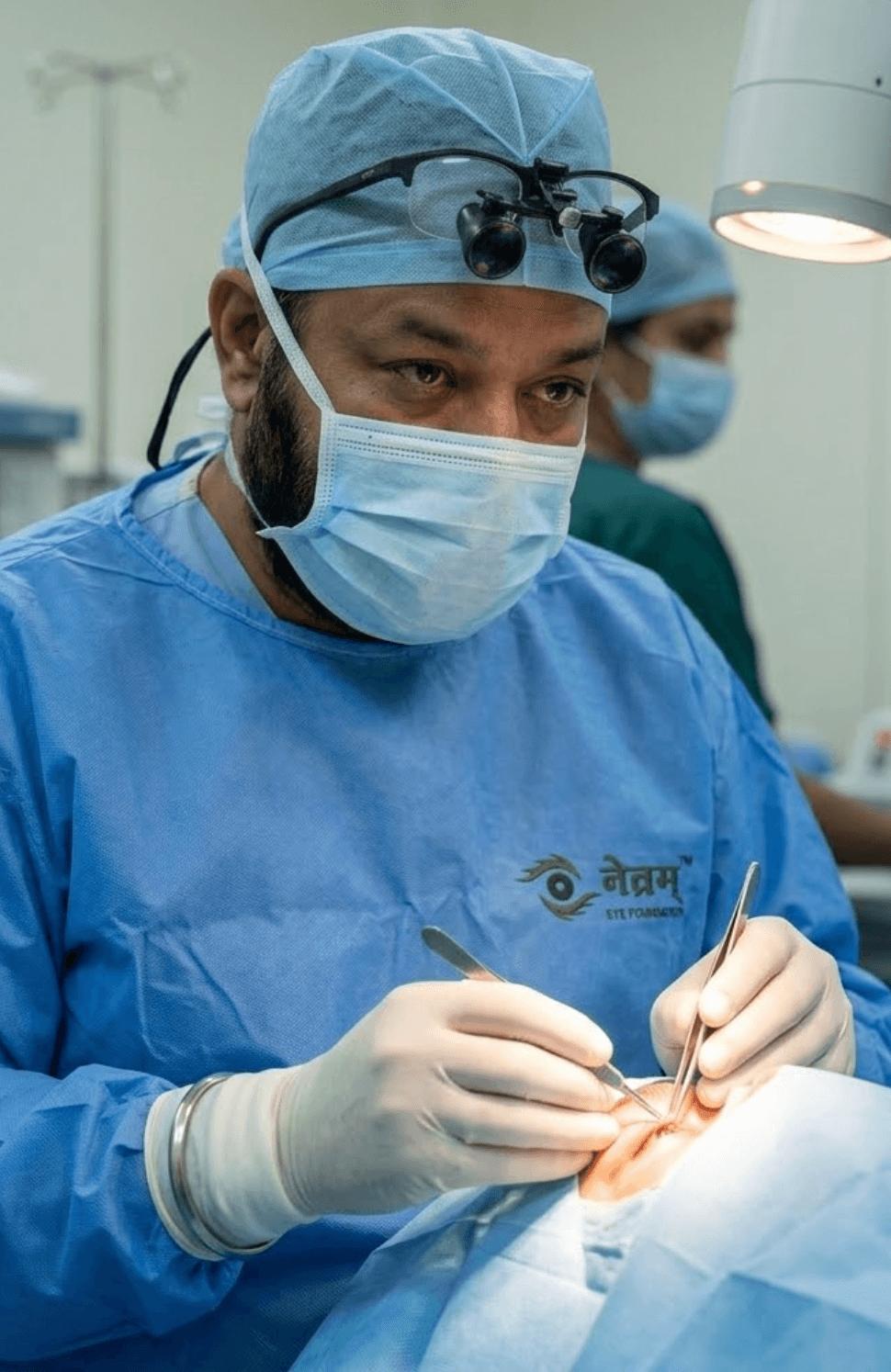
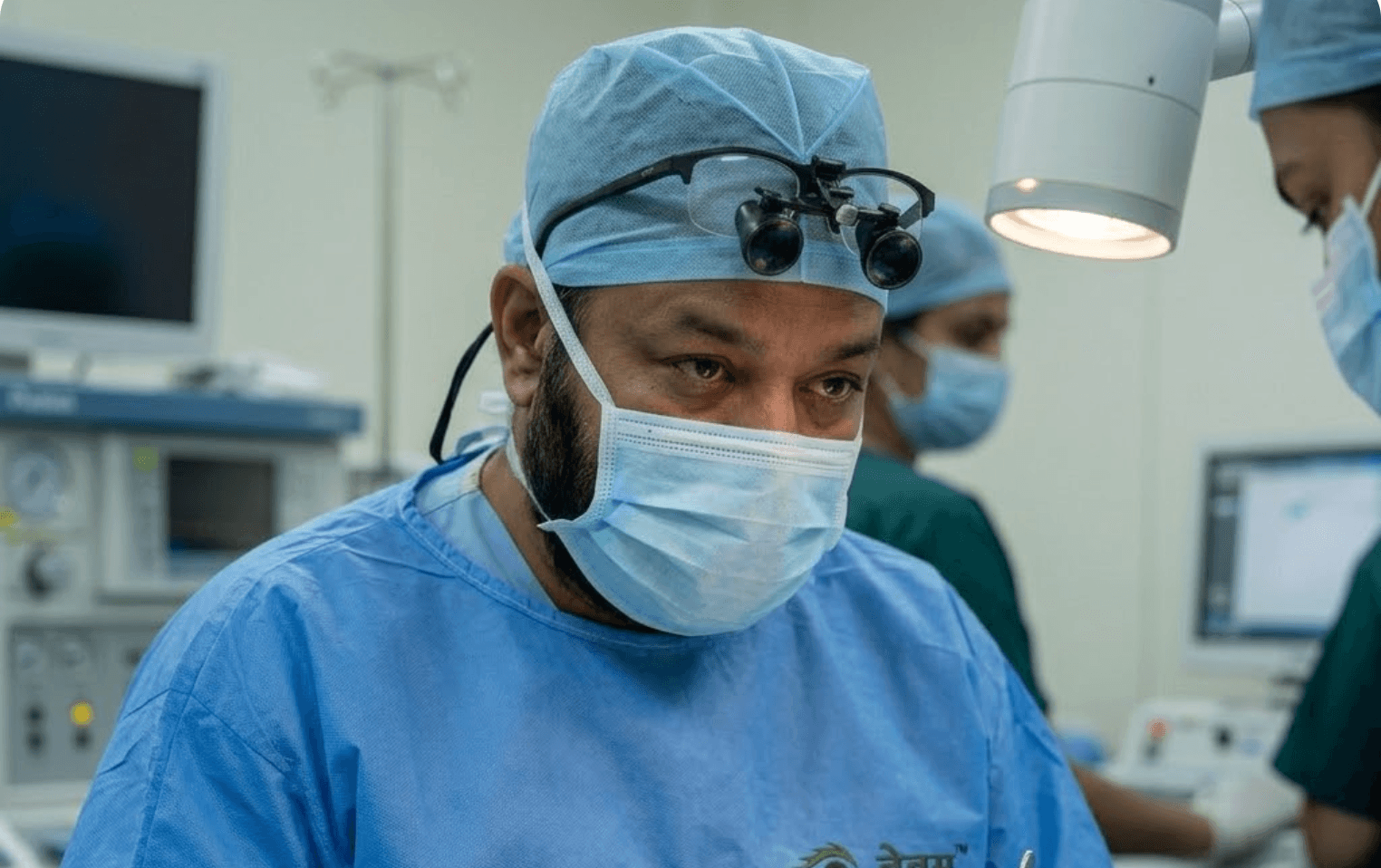
MEET YOUR SURGEON

Your Child's Vision in the Hands of Expertise

Dr. Hardeep Singh

Dr. Hardeep Singh

MS Ophthalmology | Fellowship in Paediatric Ophthalmology & Strabismus

Achievements & Highlights

  • Expert in recession-resection surgery, adjustable suture strabismus, oblique muscle surgery, paralytic squint, and paediatric squint under GA.

  • Comprehensive orthoptic workup — cycloplegic refraction, prism cover testing, binocular vision assessment, stereoacuity, and amblyopia management at every evaluation.

  • 2.5 lakh+ successful surgical procedures over 19+ years.

  • Expert also in paediatric cataract, paediatric glaucoma, amblyopia management, retinopathy of prematurity (ROP) screening, and refractive errors in children.

  • Known for consistent alignment outcomes, evidence-based surgical timing, and exceptionally clear communication with parents and families.

19+

Years
Of Experience

2.5L+

Successful Procedures

7+

Areas of Surgical Expertise

"Squint surgery is not just about making the eyes look straight. It is about giving a child's visual system the best possible chance to develop normally — to build binocular vision, to overcome amblyopia, and to see the world with two eyes working together. When I operate early and precisely, I am not just correcting alignment — I am protecting a lifetime of vision."

UNDERSTANDING YOUR OPTIONS

Netram Vision Therapy — Complete Pricing Summary

ProgrammeIndicationDurationPrice at Netram
Standard ProgrammeConvergence insufficiency, accommodative dysfunction, oculomotor disorders12 weeks / 12 sessions₹1,200/session · ₹14,400 total
Intensive ProgrammeAmblyopia rehab, post-squint surgery, complex binocular vision, visual processing24 weeks / 24 sessions₹1,200/session · ₹28,800 total
Adult / Neuro-Rehab (Short)Digital eye strain, mild convergence insufficiency in adults8 weeks / 8 sessions₹1,200/session · ₹9,600 total
Adult / Neuro-Rehab (Full)Post-concussion visual syndrome, acquired oculomotor dysfunction16 weeks / 16 sessions₹1,200/session · ₹19,200 total
Comprehensive Baseline EvaluationAll new vision therapy patients — binocular vision workup before programme startSingle 90-min sessionConsult our team
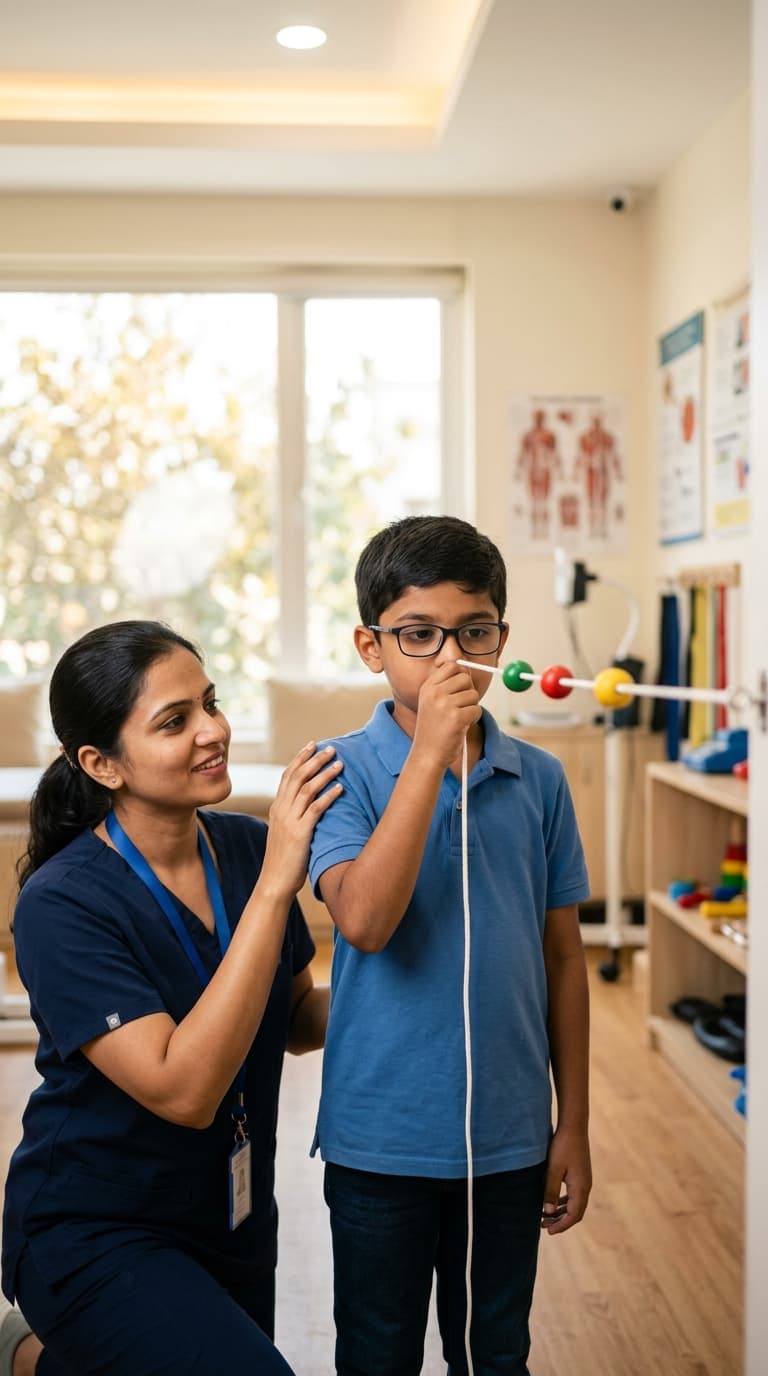
Home Exercise KitBrock string, flipper lenses, near-point cards, saccadic targets — included in programmeIncluded in programme fee

THE COMPLETE TREATMENT JOURNEY

Guiding You Through Every Stage

From your first binocular vision evaluation to your final programme review — with complete transparency and objective progress tracking at every stage.

PRE-THERAPY step 1 of 3

First Visit (90 min)Step 1

Comprehensive Binocular Vision Evaluation

Visual acuity, cycloplegic refraction, cover test (distance and near), near point of convergence (NPC) measurement, vergence range testing (prism bar), accommodative amplitude and facility, stereoacuity (Titmus/Randot), Worth 4-dot suppression test, and oculomotor assessment. Condition diagnosed and programme type determined.

If IndicatedStep 2

Learning-Related Visual Assessment

For children with reading or learning concerns — additional testing of visual memory, visual sequential memory, figure-ground perception, visual discrimination, and visual spatial relations. Results guide whether visual processing therapy is included in the programme.

Session 0Step 3

Programme Planning and Goal Setting

Based on evaluation findings, the specific programme type, session frequency, home exercise sequence, and measurable outcome targets are discussed with the patient and family. Written programme plan provided. Home exercise kit dispensed. Starting exercises taught and demonstrated.

TESTIMONIALS

Real Patients, Life-Changing Results

Sonu Kashyap avatar

I’m very thankful to Dr. Anchal Gupta for my successful eye operation. She explained the full process clearly, built my confidence, and made me feel genuinely cared for throughout....

Sonu Kashyap

Eye Surgery Review

Prakash Chetri

Cataract Surgery

Shafiya Meditrip avatar

One month after LASIK, my vision is much clearer at 6/4, beyond expectations. Thank you to Dr. Anchal and the team for such a smooth and reassuring experience....

Shafiya Meditrip

LASIK Review

Ritika Kaushal

LASIK Surgery

Akshita Yadav avatar

I had ICL surgery at Netram and felt supported from consultation to follow-up. Dr. Anchal Gupta and Dr. Neha Sharma explained everything patiently and made the whole journey comfortable and reassuring....

Akshita Yadav

ICL Surgery Review

Subhankar

LASIK Surgery

ALL YOUR QUESTIONS ANSWERED

Frequently Asked Questions About Vision Therapy

What exactly is vision therapy and is it scientifically proven?

Vision therapy is a structured programme of supervised exercises that trains the visual system — specifically the brain's ability to control and coordinate eye movements, focusing, and binocular vision. It is not pseudoscience. For specific, well-defined conditions — particularly convergence insufficiency — the evidence base is strong. The Convergence Insufficiency Treatment Trial (CITT), a large multi-centre randomised controlled trial funded by the US National Eye Institute, demonstrated that office-based vision therapy produces success rates of 73% for convergence insufficiency versus 43% for home exercises alone. The American Optometric Association, American Academy of Optometry, and the College of Optometrists in Vision Development all recognise evidence-based vision therapy as an appropriate treatment for these conditions.

How is vision therapy different from just doing eye exercises at home?

This is perhaps the most important distinction in vision therapy. Home exercises — such as pencil push-ups for convergence insufficiency — have been directly compared to office-based therapy in clinical trials, and they are significantly less effective. The CITT trial showed home push-ups had a 43% success rate versus 73% for office-based therapy. The reason is supervision and progression: in office-based therapy, the therapist ensures exercises are performed correctly (technique errors at home are extremely common), monitors objective progress, and advances the programme in a precisely calibrated sequence. Home exercises also lack the biofeedback tools, prism equipment, and real-time difficulty adjustment that in-office sessions provide. Home exercises remain important — but as reinforcement of in-office therapy, not a replacement for it.

My child has been told they have a reading disorder or ADHD. Could it be a vision problem instead?

It could be — but this question requires careful nuance. Vision problems such as convergence insufficiency and oculomotor dysfunction can produce symptoms that closely mimic ADHD and reading disorders: poor attention during reading, avoidance of near work, losing the place when reading, slow reading speed, and poor academic performance despite adequate intelligence. However, vision problems do not cause dyslexia, and dyslexia does not cause vision problems — these are separate conditions that can co-exist. A comprehensive binocular vision evaluation at Netram will identify any functional vision problem that is present. If one exists, treating it may dramatically improve the child's reading experience. If the vision evaluation is normal, we will tell you that clearly — and refer appropriately for psychoeducational assessment.

How long does vision therapy take and how many sessions are needed?

Programme length depends on the condition and its severity. Standard convergence insufficiency or accommodative dysfunction in a motivated child: 12 weeks (12 in-office sessions). Amblyopia rehabilitation, post-squint surgery binocular vision development, or complex binocular disorders: 24 weeks (24 sessions). Adult convergence insufficiency or digital eye strain: 8–16 weeks. Post-concussion visual rehabilitation: 12–20 weeks depending on severity. These are programme lengths, not open-ended commitments. At the mid-programme review, we assess whether you are on track, ahead, or behind, and adjust accordingly.

What is the cost of vision therapy at Netram Eye Foundation?

Vision therapy sessions are priced at ₹1,200 per 45–60 minute in-office session. The standard 12-week programme is ₹14,400 in total. The 24-week intensive programme is ₹28,800. Adult short programmes (8 weeks) are ₹9,600. All programme fees include the home exercise kit (Brock string, flipper lenses, near-point training materials), mid-programme evaluation, and end-programme written report. The initial comprehensive binocular vision evaluation — required before programme start — is priced separately. These rates are consistent with vision therapy pricing across established clinics in Delhi NCR.

Will my child still need glasses during and after vision therapy?

Almost certainly yes — if a refractive error is present. Vision therapy treats binocular and functional vision problems; glasses treat refractive error. These are complementary, not competing. In fact, full refractive correction must be in place before vision therapy begins — particularly in children with hyperopia (long-sightedness), where the refractive correction itself reduces the accommodative demand that is driving the binocular problem. Some patients find that after vision therapy their glasses prescription needs adjustment — because the accommodative spasm that was artificially inflating their prescription has resolved.

Is vision therapy covered by health insurance in India?

Vision therapy as a standalone service is not typically covered under standard health insurance policies in India at present. However, if vision therapy is prescribed as part of treatment following squint surgery or as part of a neuro-rehabilitation programme after brain injury or concussion, partial reimbursement may be possible depending on your specific policy. We recommend checking directly with your insurer. Our team can provide the necessary documentation (diagnosis codes, treatment justification letters) to support any insurance inquiry you wish to make.

What happens if vision therapy does not work?

The honest answer is that not every patient achieves full symptom resolution — but a meaningful response is the norm for correctly selected patients following a properly designed programme. At Netram, we document objective measurements at baseline and throughout the programme. If at the mid-programme review objective measures are not moving in the expected direction, we reassess the diagnosis, the home exercise compliance, and the programme design — before assuming the therapy has failed. For patients who do not achieve full resolution, prism glasses may be prescribed to provide symptomatic relief, or alternative management strategies explored. We do not string patients along in an open-ended programme — there is a defined endpoint, and we give you an honest assessment of progress at every checkpoint.

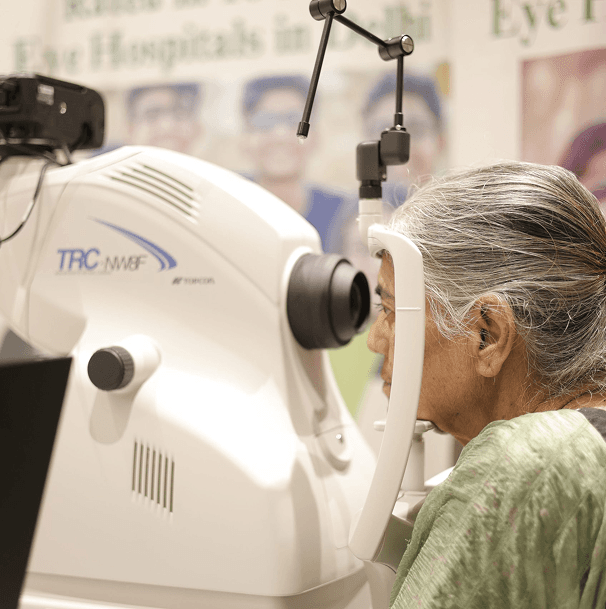
Patient receiving an eye examination

BOOK YOUR CONSULTATION

Your Vision Deserves More Than Glasses Alone.