Redness of the Eye
Diffuse conjunctival redness is the hallmark sign, resulting from dilation of superficial blood vessels in response to inflammation. The redness typically affects the entire white of the eye and inner eyelid surfaces.

■UNDERSTANDING THE CONDITION
Conjunctivitis occurs when the conjunctiva — the delicate transparent membrane that lines the inner surface of the eyelids and covers the visible sclera — becomes inflamed. This inflammation causes the superficial blood vessels within the conjunctiva to dilate, producing the characteristic red or pink appearance that gives the condition its common name.
Three principal types of conjunctivitis are recognised clinically. Viral conjunctivitis, the most common form, is typically caused by adenoviruses and frequently accompanies upper respiratory tract infections. It is highly contagious and spreads through direct contact with infected secretions. Bacterial conjunctivitis, caused by organisms such as Staphylococcus aureus or Haemophilus influenzae, produces characteristic purulent discharge. Allergic conjunctivitis, driven by immune-mediated histamine release, causes intense itching and bilateral symptoms. These types are carefully differentiated during assessment by an eye specialist in Delhi.
While most cases resolve without lasting harm, prompt evaluation ensures correct diagnosis, appropriate treatment, and prevention of spread to household contacts, classmates, or colleagues in communal settings.
Conjunctivitis primarily affects the conjunctiva — the transparent protective membrane covering the white of the eye (bulbar conjunctiva) and lining the inner surfaces of both eyelids (palpebral conjunctiva). When inflamed, this membrane becomes visibly red and swollen, and may produce discharge depending on the underlying cause. Assessment at an eye hospital in Delhi helps determine the type and severity.
Conjunctivitis is an inflammatory eye surface condition with distinct forms depending on aetiology. Key characteristics include:
■CLINICAL PRESENTATION
Symptoms vary according to the type of conjunctivitis but most forms share several common clinical features:
Redness of the Eye
Diffuse conjunctival redness is the hallmark sign, resulting from dilation of superficial blood vessels in response to inflammation. The redness typically affects the entire white of the eye and inner eyelid surfaces.
Watering or Excessive Tearing
Increased tear production occurs as a protective reflex in response to conjunctival irritation, producing persistent watering that may blur vision transiently.
Sticky or Mucopurulent Discharge
Bacterial conjunctivitis characteristically produces yellow or green discharge that may cause the eyelids to stick together overnight. Viral forms produce a thinner, more watery discharge, while allergic forms produce stringy mucous.
Itching
Intense bilateral itching is the predominant symptom of allergic conjunctivitis, though mild itching may also accompany viral or bacterial forms. Rubbing the eyes worsens the condition.
Burning or Gritty Sensation
A foreign body sensation — as if sand or grit is present within the eye — is common across all types and reflects surface irritation of the conjunctival epithelium.
Mild Eyelid Swelling
Periorbital puffiness and conjunctival chemosis (swelling of the conjunctival membrane itself) may accompany more pronounced inflammatory episodes.
These features suggest severe, complicated, or alternative diagnoses requiring urgent specialist assessment:
Severe Eye Pain
Immediate evaluationSignificant pain in conjunctivitis is atypical and may indicate corneal involvement, acute anterior uveitis, or elevated intraocular pressure — all requiring urgent ophthalmological assessment.
Sudden or Reduced Vision
Immediate evaluationAny visual acuity change alongside conjunctivitis symptoms warrants emergency assessment to exclude keratitis, corneal ulceration, or herpetic eye disease.
Extreme Light Sensitivity
Urgent assessmentPronounced photophobia is not typical of simple conjunctivitis and may indicate corneal epithelial defects, iritis, or deeper intraocular inflammation requiring a slit-lamp examination.
Thick or Persistent Purulent Discharge
Within 1 weekProfuse purulent discharge unresponsive to initial treatment may indicate gonococcal or chlamydial infection, conditions requiring systemic antibiotic therapy and sexual health evaluation.
Eyelid Swelling with Fever
Same day evaluationThe combination of significant eyelid or periorbital swelling with systemic fever may indicate orbital cellulitis or preseptal cellulitis — potentially life-threatening conditions requiring immediate hospital assessment.
Symptoms Persisting Beyond Two Weeks
Within 1 weekConjunctivitis failing to resolve within the expected timeframe should prompt re-evaluation to exclude chlamydial infection, toxic conjunctivitis, or an entirely different underlying diagnosis.

Ask yourself these questions to determine if medical evaluation is needed:
If you answered "yes" to any of these questions, schedule a prompt evaluation with an eye infection specialist in Delhi to determine the correct diagnosis and appropriate treatment.
■TRIGGERS & ROOT CAUSES
Specific behavioural and environmental factors strongly influence the risk of developing and spreading conjunctivitis:
Poor Hand Hygiene
HighTouching the eyes with unwashed hands is the single most common mode of transmission for infectious conjunctivitis. Viruses and bacteria easily transfer from contaminated surfaces or respiratory secretions to the ocular surface through hand-to-eye contact.
Sharing Personal Items
HighSharing towels, pillowcases, eye drops, cosmetics, or washcloths with an infected individual creates a direct transmission pathway for viral and bacterial conjunctivitis. These items should be strictly personal during any active infection.
Improper Contact Lens Hygiene
HighWearing contact lenses beyond recommended durations, using contaminated lens solutions, or handling lenses with unwashed hands significantly increases the risk of both bacterial and viral ocular surface infection.
Allergen Exposure
ModerateContinuous exposure to pollen, dust mites, pet dander, smoke, and pollution triggers and sustains allergic conjunctivitis, particularly in individuals with pre-existing atopic tendencies.
Ignoring Early Symptoms
ModerateDismissing initial redness or discharge without seeking evaluation delays correct diagnosis and treatment, allows infectious forms to spread to contacts, and increases the risk of corneal complications.
Excessive Screen Use and Digital Eye Strain
LowProlonged screen time reduces blink frequency and tear film quality, increasing ocular surface vulnerability to irritants and pathogens, though screen use alone does not directly cause conjunctivitis.
Several ocular and environmental conditions increase susceptibility to conjunctivitis:
Viral Pathogens
Adenoviruses account for the majority of viral conjunctivitis cases; herpes simplex and herpes zoster viruses cause less common but more serious forms requiring antiviral treatment.
Bacterial Pathogens
Staphylococcus aureus, Streptococcus pneumoniae, and Haemophilus influenzae are the predominant causative bacteria in bacterial conjunctivitis; gonococcal and chlamydial forms require systemic treatment.
Environmental Allergens
Airborne allergens including seasonal pollen, perennial dust mites, mould spores, and animal dander trigger IgE-mediated immune responses in allergic conjunctivitis.
Environmental Irritants
Chemical fumes, chlorinated water in swimming pools, smoke, and air pollution can directly irritate the conjunctival surface and produce non-infectious chemical conjunctivitis.
Dry Eye Syndrome
A compromised tear film reduces the conjunctival surface's natural defence against pathogens and irritants, increasing vulnerability to both infectious and irritant forms of conjunctivitis.
Certain systemic conditions increase the risk or severity of conjunctivitis:
Upper Respiratory Tract Infections
Viral conjunctivitis frequently accompanies colds and flu, as adenoviruses causing respiratory infections also possess tropism for the conjunctival epithelium.
Allergic Disorders
Individuals with asthma, allergic rhinitis, or atopic dermatitis have heightened immune reactivity and a substantially higher incidence of allergic conjunctivitis.
Immunocompromised States
Patients with reduced immune function — due to HIV, immunosuppressive medications, or other conditions — are more vulnerable to severe, prolonged, or atypical conjunctivitis.
Dry Eye Syndrome
The compromised protective barrier of a poorly maintained tear film predisposes individuals with dry eye to more frequent and severe conjunctival infections.
Chlamydia or Gonorrhoea Infection
Sexually transmitted infections can manifest as conjunctivitis in adults through auto-inoculation; neonatal conjunctivitis from birth canal transmission requires urgent evaluation and treatment.
■CLINICAL EVALUATION
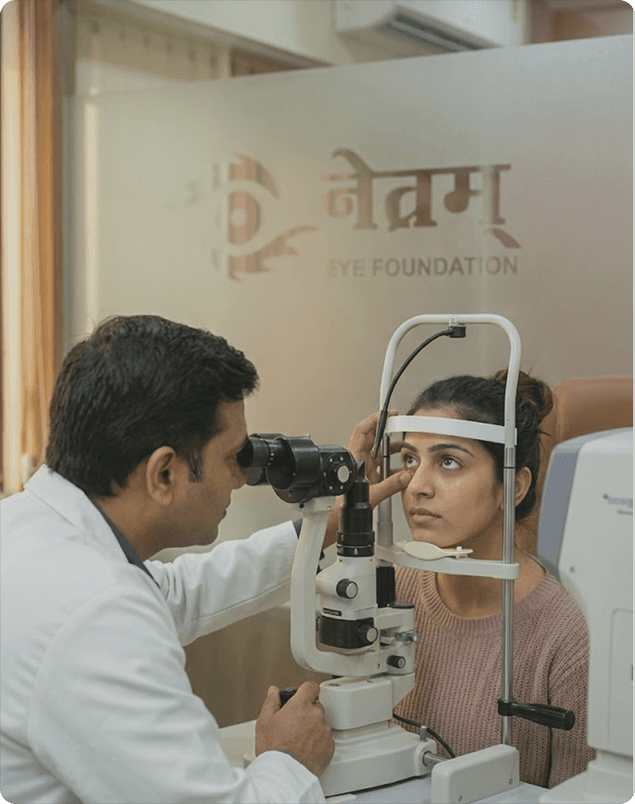
Diagnosis of conjunctivitis is primarily clinical, based on history and careful eye examination. Your specialist will evaluate:
■MANAGEMENT & TREATMENT
Practise Rigorous Hand Hygiene
Washing hands thoroughly with soap for at least 20 seconds before and after touching the eyes is the most effective measure to prevent self-inoculation and transmission to household contacts.
Avoid Touching and Rubbing the Eyes
Refraining from touching or rubbing the eyes reduces further inoculation of infectious organisms and prevents worsening of inflammation in allergic or irritant forms.
Use Separate Personal Items
Using individual towels, pillowcases, and washcloths — and changing them daily — prevents transmission to other household members during the contagious phase of infection.
Apply Cold or Warm Compresses
A clean cold compress over closed eyelids relieves itching and swelling in allergic conjunctivitis; warm compresses help loosen crusted discharge in bacterial forms.
Discontinue Contact Lens Use
Contact lenses should be avoided until the infection has fully resolved, as wearing them prolongs recovery, worsens infection, and risks permanent lens contamination.
Follow the Prescribed Treatment Plan
Completing the full prescribed course of antibiotic drops or antihistamine therapy as directed prevents treatment failure, recurrence, and development of antimicrobial resistance.
Antibiotic Eye Drops or Ointment
For bacterial conjunctivitisTopical broad-spectrum antibiotics such as chloramphenicol, moxifloxacin, or fusidic acid eradicate bacterial pathogens from the conjunctival surface. Treatment typically produces improvement within 48–72 hours.
Antihistamine and Mast Cell Stabiliser Drops
For allergic conjunctivitisCombination antihistamine-mast cell stabiliser drops such as ketotifen provide rapid relief from itching and redness while preventing further histamine release during ongoing allergen exposure.
Antiviral Eye Drops
For herpetic conjunctivitisTopical aciclovir or ganciclovir ointment is specifically indicated for herpes simplex conjunctivitis; systemic antivirals may be required for herpes zoster or severe adenoviral disease.
Lubricating Eye Drops
Supportive therapy for all typesFrequent preservative-free artificial tears help flush allergens and pathogens from the ocular surface, maintain comfort, and support tear film recovery across all forms of conjunctivitis.

■SURGICAL INTERVENTION
Conjunctivitis is a medical condition managed entirely through targeted topical and systemic therapy; surgical intervention plays no role in its treatment. The vast majority of patients achieve complete recovery with correct diagnosis and appropriate medication within 1–2 weeks. Even the most severe forms of infectious conjunctivitis respond to antimicrobial or antiviral treatment without any surgical procedure.
In the exceptional scenario where conjunctivitis leads to secondary corneal complications such as an ulcer or scarring, additional corneal procedures may subsequently be required. These represent rare complications rather than treatment of conjunctivitis itself and are managed on an individual basis at Netram Eye Foundation in Delhi, where advanced diagnostic and therapeutic capabilities ensure the safest and most effective care pathway for every patient.
■ALL YOUR QUESTIONS ANSWERED
Viral and bacterial conjunctivitis are both highly contagious and can spread rapidly through direct contact with infected eye secretions, hand-to-eye contact, or sharing personal items such as towels and pillowcases. Viral conjunctivitis caused by adenoviruses is particularly infectious and can spread in schools, workplaces, and swimming pools. Allergic conjunctivitis, by contrast, is not contagious as it is driven by an immune response rather than a pathogen. During an infectious episode, avoiding close contact, maintaining strict hand hygiene, and not sharing personal items significantly reduces the risk of transmission.
The duration depends on the type. Viral conjunctivitis typically runs its course in 7–14 days without specific antiviral treatment in most cases, though symptoms may initially worsen before improving. Bacterial conjunctivitis generally responds to antibiotic drops within 48–72 hours, with full resolution in 7–10 days. Allergic conjunctivitis persists for as long as the triggering allergen is present and may be seasonal or year-round depending on the specific allergy. Any form that fails to improve within the expected timeframe warrants reassessment to exclude alternative diagnoses or complications.
Yes, infectious conjunctivitis frequently spreads from the initially affected eye to the other, typically within 2–5 days. This occurs through hand-to-eye contact when the infected individual touches the affected eye and then rubs the unaffected eye. To minimise this risk, patients should be meticulous about hand hygiene, avoid touching either eye, use separate drops for each eye when prescribed, and use the drops in the less-affected eye first. Despite these precautions, bilateral involvement is common in viral conjunctivitis.
Treatment recommendations depend on the type. Mild viral conjunctivitis in otherwise healthy adults often resolves spontaneously without specific treatment, though antibiotic drops are not effective against viruses and should not be used empirically. Bacterial conjunctivitis generally warrants antibiotic treatment to accelerate recovery and reduce transmission risk. Allergic conjunctivitis benefits significantly from antihistamine drops or mast cell stabilisers. Any form of conjunctivitis associated with reduced vision, severe pain, or corneal involvement requires prompt specialist evaluation and active treatment.
Simple conjunctivitis — whether viral, bacterial, or allergic — does not typically cause permanent vision loss when appropriately managed. However, certain complications can threaten vision if untreated. Herpetic keratoconjunctivitis can cause corneal scarring. Gonococcal conjunctivitis, if neglected, can rapidly perforate the cornea. Chronic or repeatedly infected eyes may develop subepithelial corneal opacities. Prompt diagnosis and correct treatment are therefore important not only for comfort but for protecting long-term visual health.
You should seek ophthalmological evaluation if eye redness is accompanied by significant pain, reduced vision, or marked photophobia; if there is thick purulent discharge; if the condition has not improved after 5–7 days; if both eyes are severely affected; if you are an infant or immunocompromised individual; or if you wear contact lenses. Newborns with any eye discharge should be seen urgently to exclude neonatal conjunctivitis, which requires immediate treatment to prevent vision-threatening complications.
Still have questions? Our team is here to help.
Schedule Consultation
REQUEST AN APPOINTMENT