Eye Redness
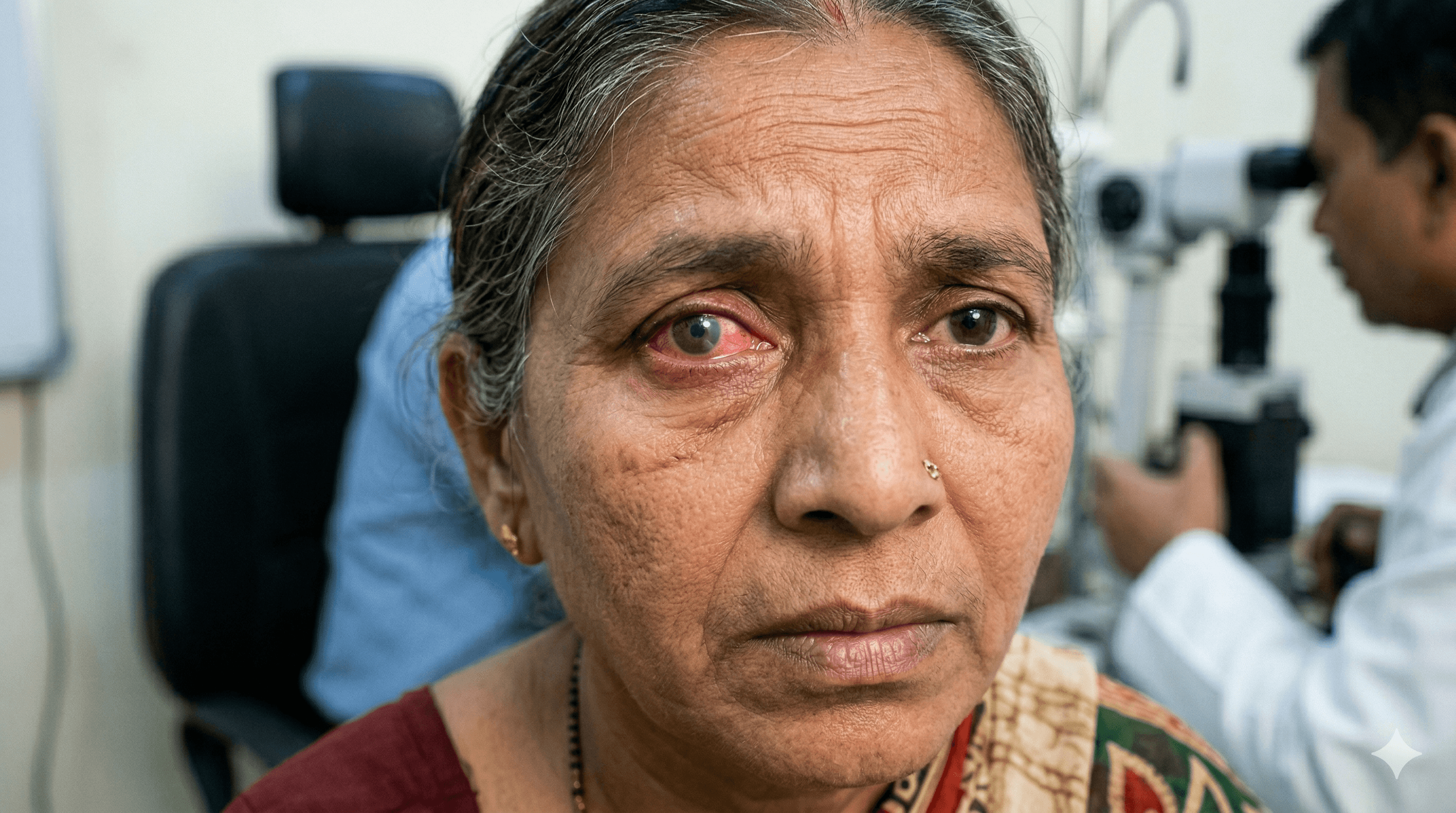
Circumcorneal injection — a flush of redness most prominent around the limbus — is characteristic of anterior uveitis, reflecting the inflammatory reaction in the iris and ciliary body adjacent to the cornea.
■UNDERSTANDING THE CONDITION
The uvea is the highly vascular middle coat of the eye, lying between the sclera externally and the retina internally. It comprises three anatomical segments: the iris (the coloured diaphragm controlling pupil size), the ciliary body (producing aqueous humour and controlling accommodation), and the choroid (the densely vascular layer nourishing the outer retina). When inflammatory cells and mediators accumulate in any part of this system, the result is uveitis — a condition whose clinical presentation, severity, and complications vary significantly depending on which segment is involved.
Anterior uveitis — iritis or iridocyclitis — is the most common form, affecting the iris and anterior ciliary body, and typically presents with acute pain, redness, photophobia, and cellular flare in the anterior chamber. Intermediate uveitis involves the vitreous cavity and peripheral retina, producing floaters and reduced vision. Posterior uveitis affects the choroid and retina, threatening central vision through macular oedema and chorioretinal scarring. Panuveitis involves all segments simultaneously and carries the highest risk of vision loss. Accurate anatomical classification by an eye specialist in Delhi is essential as it directly guides treatment decisions.
Approximately half of all uveitis cases are idiopathic — no specific cause is identified despite thorough systemic investigation. In the remaining cases, identifiable associations include autoimmune conditions (ankylosing spondylitis, HLA-B27, sarcoidosis, lupus), infectious agents (tuberculosis, herpes viruses, toxoplasmosis), and — in developing countries — tuberculosis-related uveitis is particularly prevalent and requires specific antitubercular therapy alongside immunosuppression.
Uveitis affects the uveal tract — the iris, ciliary body, and choroid — as well as adjacent structures including the vitreous, retina, and optic nerve depending on the anatomical location and severity of inflammation. Anterior chamber cellular reaction, posterior synechiae, macular oedema, and disc swelling are assessed during slit-lamp and fundus examination at an eye hospital in Delhi.
Uveitis is an intraocular inflammatory disorder with potentially serious visual consequences. Its key characteristics include:
■CLINICAL PRESENTATION
Symptoms of uveitis vary considerably based on the anatomical location and acuity of inflammation:
Eye Redness
Circumcorneal injection — a flush of redness most prominent around the limbus — is characteristic of anterior uveitis, reflecting the inflammatory reaction in the iris and ciliary body adjacent to the cornea.
Eye Pain
Anterior uveitis characteristically causes a deep, aching pain arising from ciliary muscle spasm and uveal inflammation. The pain may radiate to the brow and forehead. Posterior uveitis is often painless.
Blurred Vision
Reduced visual clarity results from inflammatory cells in the anterior chamber or vitreous scattering light, from corneal endothelial inflammation (keratic precipitates), or from macular oedema in posterior disease.
Photophobia (Light Sensitivity)
Intense sensitivity to light is a cardinal symptom of anterior uveitis, caused by pupillary constriction and ciliary muscle spasm in response to light exposure against the background of active intraocular inflammation.
Floaters
Vitreous cells and inflammatory debris produce floaters — moving spots, strings, or clouds in the visual field — that are characteristic of intermediate uveitis and posterior uveitis with significant vitreous involvement.
Decreased Visual Acuity
Vision may be progressively reduced in active or chronic uveitis due to macular oedema, vitreous haze, structural complications, or — in severe cases — retinal or optic nerve involvement.
These features indicate serious intraocular complications requiring urgent specialist assessment:
Sudden or Rapid Vision Loss
Immediate evaluationAcute reduction in visual acuity may indicate optic nerve involvement, vitreous haemorrhage, retinal detachment, or severe macular oedema — all sight-threatening complications requiring emergency ophthalmological assessment and treatment.
Severe Eye Pain with Redness
Same day evaluationIntense pain alongside redness and photophobia may indicate acute anterior uveitis with raised intraocular pressure (hypertensive uveitis), a combination requiring urgent treatment to prevent angle-closure glaucoma.
Extreme or Worsening Light Sensitivity
Urgent assessmentMarked photophobia indicates significant anterior chamber or ciliary body inflammation. Escalating photophobia during treatment may indicate treatment-resistant disease requiring medication adjustment.
Persistent or Worsening Floaters
Within 1 weekProgressive increase in vitreous floaters may indicate worsening intermediate or posterior uveitis, vitreous haemorrhage, or — urgently — rhegmatogenous retinal detachment requiring prompt dilated fundal examination.
Persistent Redness Not Responding to Treatment
Within 1 weekFailure of redness and inflammation to improve after 2–3 days of appropriate treatment suggests treatment-resistant or incorrectly classified uveitis requiring reassessment, additional investigations, or escalation of therapy.
Recurrent Episodes of Uveitis
Urgent assessmentFrequent recurrences indicate inadequate systemic disease control and require comprehensive systemic investigation for an underlying cause — particularly HLA-B27-associated conditions or tuberculosis — alongside consideration of immunosuppressive therapy.

Ask yourself these questions to determine if medical evaluation is needed:
If you answered "yes" to any of these questions, schedule an urgent evaluation with an eye inflammation specialist in Delhi to assess for uveitis and initiate appropriate treatment before complications develop.
■TRIGGERS & ROOT CAUSES
Several lifestyle and behavioural factors contribute to the development, recurrence, or worsening of uveitis:
Ignoring Early Symptoms of Eye Inflammation
HighDismissing early redness, photophobia, or blurring as trivial irritation delays diagnosis and appropriate treatment. Untreated anterior uveitis rapidly produces posterior synechiae (adhesions between the iris and lens) that may become irreversible within days, causing permanent pupil distortion and lens complications.
Delayed Treatment of Underlying Systemic Diseases
HighPoor control of associated conditions such as ankylosing spondylitis, Crohn's disease, or sarcoidosis increases the frequency and severity of uveitic flares. Active systemic inflammation frequently drives parallel intraocular inflammation, making systemic disease control a cornerstone of uveitis management.
Poor Adherence to Prescribed Treatment
HighUveitis frequently requires sustained courses of topical and systemic anti-inflammatory therapy. Premature treatment discontinuation, irregular medication use, or missed follow-up appointments leads to recurrent flares, cumulative structural damage, and increasing treatment difficulty with each episode.
Chronic Stress and Immune Dysregulation
ModeratePsychological stress modulates immune activation and has been associated with exacerbations of autoimmune inflammatory conditions including uveitis. Irregular sleep, poor nutrition, and chronic lifestyle imbalance may contribute to inflammatory disease activity.
Exposure to Infectious Triggers
ModerateInfections with tuberculosis, herpes viruses, or toxoplasma can directly trigger specific forms of infectious uveitis. Delayed or inadequate treatment of these infections allows ongoing antigenic drive of intraocular inflammation.
Infrequent Eye Examinations
LowWithout regular ophthalmological monitoring, subclinical inflammation — particularly in chronic or posterior uveitis — may progressively damage the retina or optic nerve before symptoms become clinically apparent to the patient.
Specific ocular and environmental factors directly trigger or perpetuate uveitis:
Autoimmune Inflammatory Response
The immune system mistakenly targets uveal antigens, producing sustained T-cell-mediated and cytokine-driven inflammation within the vascular uveal tissues.
Infectious Pathogens
Bacterial (tuberculosis, syphilis), viral (herpes simplex, herpes zoster, cytomegalovirus), parasitic (toxoplasmosis), and fungal agents directly infect uveal tissues or trigger immune-mediated inflammation.
Ocular Trauma
Penetrating injury and non-penetrating blunt trauma to the eye may trigger sympathetic ophthalmia — a bilateral autoimmune uveitis — or direct traumatic iritis within the injured eye.
Genetic Susceptibility
The HLA-B27 antigen is strongly associated with anterior uveitis in ankylosing spondylitis, reactive arthritis, and inflammatory bowel disease. Other HLA associations exist for specific posterior uveitis syndromes.
Chronic Intraocular Inflammation
Persistent uveal inflammation leads to progressive structural complications including posterior synechiae, cataract, secondary glaucoma, macular oedema, and epiretinal membrane formation.
Systemic conditions most commonly associated with uveitis include:
Ankylosing Spondylitis and HLA-B27 Conditions
The most common systemic association with acute recurrent anterior uveitis; HLA-B27-positive individuals have a lifetime risk of uveitis exceeding 30% if they have ankylosing spondylitis.
Tuberculosis
A leading cause of infectious uveitis in endemic regions including India; may produce granulomatous anterior uveitis, chorioretinitis, or optic disc involvement and requires antitubercular treatment.
Sarcoidosis
A multisystem granulomatous disease that may involve all segments of the uveal tract; commonly produces chronic granulomatous anterior uveitis with mutton-fat keratic precipitates.
Rheumatoid Arthritis and Autoimmune Conditions
Systemic autoimmune conditions including lupus, vasculitis, and juvenile idiopathic arthritis are associated with uveitis of varying severity and pattern, requiring integrated rheumatological and ophthalmological co-management.
Viral Infections (Herpes, Toxoplasmosis)
Herpes simplex, herpes zoster, and cytomegalovirus produce characteristic patterns of keratouveitis or retinitis; toxoplasmosis is the most common cause of focal posterior uveitis and chorioretinal scarring.
■CLINICAL EVALUATION
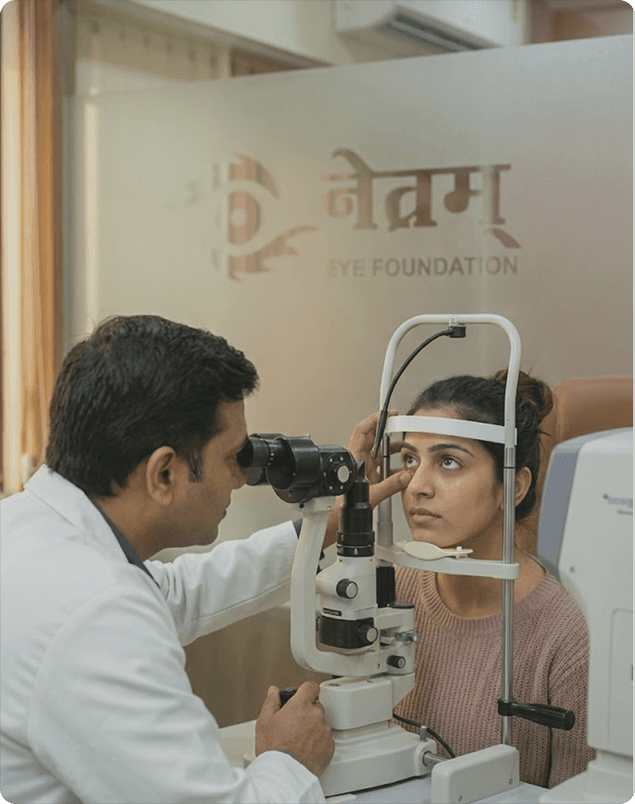
Uveitis diagnosis requires a thorough intraocular examination combined with systemic investigation. Your specialist will assess:
■MANAGEMENT & TREATMENT
Follow Prescribed Medication Regimen Strictly
Consistent administration of prescribed topical steroid and mydriatic drops, or systemic medications, precisely as directed is the single most important factor in controlling acute uveitis and preventing recurrence.
Attend All Follow-Up Appointments
Regular monitoring visits allow your ophthalmologist to assess the response to treatment, detect early complications such as raised intraocular pressure or synechiae, and adjust therapy before structural damage occurs.
Manage Underlying Systemic Conditions
Ensuring good control of associated rheumatological, infectious, or inflammatory systemic conditions — in partnership with the relevant medical specialist — directly reduces the frequency and severity of uveitic flares.
Protect Eyes from Environmental Irritants
Wearing protective glasses in dusty or polluted environments reduces ocular surface irritation that can confound monitoring of active intraocular inflammation and adds unnecessary discomfort during active disease.
Maintain a Healthy Lifestyle and Reduce Stress
Supporting immune system regulation through adequate sleep, balanced nutrition, regular gentle exercise, and effective stress management may help reduce the frequency of autoimmune-driven uveitic episodes.
Seek Early Medical Review for New Symptoms
Promptly reporting any increase in redness, pain, photophobia, or visual disturbance — even mild — allows early intervention before a flare escalates to cause irreversible structural damage.
Topical Corticosteroid and Mydriatic Eye Drops
First-line treatment for anterior uveitisIntensive topical prednisolone acetate drops suppress anterior chamber inflammation, while cyclopentolate or atropine dilates the pupil to prevent posterior synechiae formation and relieves ciliary muscle spasm.
Periocular and Intravitreal Corticosteroid Injections
For posterior and intermediate uveitisSub-Tenon or intravitreal triamcinolone or dexamethasone injections deliver high local drug concentrations to the posterior segment, reducing macular oedema and vitreous inflammation in non-infectious posterior uveitis.
Systemic Immunosuppressive Therapy
For chronic, recurrent, or bilateral uveitisOral corticosteroids, methotrexate, mycophenolate mofetil, azathioprine, or biological agents such as adalimumab are used as steroid-sparing agents in patients requiring long-term inflammation control.
Specific Antimicrobial Therapy
For infectious uveitisAntitubercular treatment, systemic or intravitreal antivirals (for herpetic disease), and antiparasitic therapy (for toxoplasmosis) are prescribed when a specific infectious aetiology is identified.

■SURGICAL INTERVENTION
Surgical intervention in uveitis is indicated for the management of complications rather than the inflammation itself. Common indications include cataract extraction when lens opacity significantly impairs vision, glaucoma surgery when medical intraocular pressure control is inadequate, vitrectomy for non-clearing vitreous haemorrhage or inflammatory vitreous opacity, and management of retinal detachment arising in the context of uveitic disease. Each procedure is ideally performed when the inflammation is well-controlled — typically inactive for at least 3 months — to minimise the risk of intraoperative and post-operative inflammatory flares.
Surgical management of uveitic complications requires meticulous planning, appropriate perioperative immunosuppressive cover, and careful post-operative monitoring. Not all patients with uveitis require surgery — many individuals achieve satisfactory visual outcomes with timely medical management alone. At Netram Eye Foundation in Delhi, a multidisciplinary approach combining uveitis specialists and experienced vitreoretinal and anterior segment surgeons ensures comprehensive, individually tailored care for every patient with uveitis and its complications.
■ALL YOUR QUESTIONS ANSWERED
Uveitis may be caused by infectious agents (bacteria such as Mycobacterium tuberculosis, viruses such as herpes simplex and zoster, parasites such as Toxoplasma gondii, and fungi), autoimmune conditions (ankylosing spondylitis, sarcoidosis, juvenile idiopathic arthritis, lupus), direct ocular trauma, or systemic inflammatory diseases. In approximately 50% of cases despite comprehensive investigation, no specific underlying cause is identified, and these are classified as idiopathic uveitis. The most important diagnostic task is distinguishing infectious from non-infectious uveitis, as treatment strategies differ fundamentally.
Yes, uveitis is a potentially sight-threatening condition that requires prompt medical attention. If left untreated or inadequately managed, intraocular inflammation causes cumulative structural damage — posterior synechiae (iris adhesions), cataract, secondary glaucoma, macular oedema, and retinal or optic nerve damage — any of which can cause significant or permanent vision loss. The severity depends on the anatomical location, the intensity of inflammation, the underlying cause, and how promptly and effectively treatment is initiated. With appropriate management, the majority of uveitis patients retain useful vision.
Yes. Recurrence is common and is one of the defining features of uveitis, particularly in autoimmune forms. HLA-B27-associated anterior uveitis typically follows a pattern of acute self-limiting attacks with recurrence every few months to years. Infectious causes such as herpetic uveitis may recur when antiviral therapy is discontinued. Tuberculous uveitis requires complete antitubercular treatment to prevent relapse. Identifying and treating the underlying systemic cause is therefore the most effective long-term strategy for reducing recurrence frequency and severity.
Yes, if not treated adequately and promptly. Complications of uveitis — including macular oedema, optic nerve damage, retinal detachment, corneal band keratopathy, uveitic glaucoma, and cataract — can all cause permanent vision loss. The risk is higher in posterior uveitis and panuveitis, in chronic and recurrent disease, and when treatment is delayed or compliance is poor. Regular follow-up allows early detection and management of these complications before they cause irreversible structural changes.
Treatment duration depends on the type and cause of uveitis. Acute idiopathic anterior uveitis may resolve within 6–8 weeks with a tapering course of topical steroids, requiring no long-term therapy. Infectious uveitis requires pathogen-specific antimicrobial treatment for defined durations. Chronic autoimmune uveitis — particularly bilateral, posterior, or pan-uveitis — frequently requires sustained systemic immunosuppressive therapy for months to years to maintain inflammation control and prevent organ damage. The goal is always to achieve the minimum effective therapy that controls disease with acceptable side effects.
Early diagnosis is critically important in uveitis. Within the first 24–48 hours of acute anterior uveitis, posterior synechiae (adhesions between the iris and lens capsule) can begin to form; if allowed to become extensive, these cause permanent pupil distortion and increased surgical complexity for any subsequent lens procedures. In posterior uveitis, macular oedema developing undetected over weeks causes photoreceptor loss that may not fully recover even after inflammation is controlled. Prompt specialist review at the onset of symptoms dramatically improves both the speed of inflammation control and the likelihood of preserving full visual function.
Still have questions? Our team is here to help.
Schedule Consultation
REQUEST AN APPOINTMENT