Sudden Increase in Floaters
A sudden increase in floaters — dark specks, threads, or cobweb-like shapes drifting across vision — occurs when vitreous pulls on the retina or when retinal cells or blood particles cast shadows.

■UNDERSTANDING THE CONDITION
Retinal detachment occurs when the retina — a thin, transparent layer of light-sensitive tissue lining the inner back wall of the eye — separates from its underlying supportive tissue. The retina is responsible for detecting light and converting it into electrical signals that the brain interprets as images. When it detaches, it is deprived of the oxygen and nutrients it needs to function.
In the most common form (rhegmatogenous retinal detachment), the process begins with a small tear or hole in the retina. Liquid vitreous can then pass through this break and accumulate beneath the retina, causing it to progressively peel away from the eye wall. As the detachment extends, larger areas of the retina stop functioning, causing expanding areas of visual loss. As emphasised by specialists at a retinal clinic in Delhi, this is a true ophthalmic emergency.
Prompt diagnosis and surgical treatment can often reattach the retina and restore useful vision. The prognosis depends critically on whether the central macula has been detached — macular-on detachments repaired before the macula lifts carry a much better visual prognosis than macular-off detachments. Every hour matters in this condition.
Retinal detachment affects the retina — the delicate, multilayered light-sensitive tissue lining the back of the eye. The retina captures visual information from across the visual field and transmits it through the optic nerve to the brain. When detached, even brief deprivation of oxygen and nutrients causes irreversible photoreceptor damage.
Retinal detachment is a vision-threatening retinal emergency with rapid potential for irreversible visual loss. Key characteristics include:
■CLINICAL PRESENTATION
Retinal detachment often begins with sudden visual symptoms that should never be ignored:
Sudden Increase in Floaters
A sudden increase in floaters — dark specks, threads, or cobweb-like shapes drifting across vision — occurs when vitreous pulls on the retina or when retinal cells or blood particles cast shadows.
Flashes of Light (Photopsia)
Brief flashes of light appearing in peripheral vision, especially in dim conditions, occur when the vitreous pulls on and mechanically stimulates the retina.
Blurred Vision
Vision may suddenly appear blurred or hazy, as the detached retinal area loses its ability to detect and transmit visual information clearly.
Shadow in Peripheral Vision
A shadow or dark area appearing in side vision is a critical warning sign of peripheral retinal detachment that may be spreading toward the central macula.
Dark Curtain Across Vision
A dark curtain or veil descending, ascending, or spreading across the visual field is one of the most serious and urgent warning signs of advancing retinal detachment.
Gradual Visual Field Loss
As the detachment progresses, larger areas of the retina lift, causing expanding areas of the visual field to become dark, blurred, or absent.
These symptoms constitute an ophthalmic emergency requiring immediate evaluation — do not delay:
Curtain or Shadow Moving Across Vision
Immediate evaluationA dark curtain-like shadow moving across the visual field is the most serious warning sign of retinal detachment and requires emergency same-day ophthalmological care.
Sudden Vision Loss
Immediate evaluationA sudden drop in vision may indicate that the macula has become detached — emergency surgical repair is required to prevent permanent central visual loss.
Sudden Shower of Floaters
Immediate evaluationA large number of new floaters appearing suddenly may indicate retinal bleeding or a retinal tear — urgent evaluation is required before detachment progresses.
Persistent Flashes of Light
Same day evaluationFrequent or persistent flashes of light in peripheral vision suggest ongoing vitreoretinal traction that may be tearing or detaching the retina.
Loss of Peripheral Vision
Same day evaluationLoss of side vision that was not present before may indicate peripheral retinal detachment spreading toward the central retina.

Ask yourself these questions to determine if emergency evaluation is needed:
If you answered "yes" to any of these questions, seek immediate emergency evaluation at an eye hospital in Delhi — retinal detachment is an ophthalmic emergency where every hour counts.
■TRIGGERS & ROOT CAUSES
While anatomical and age-related factors are primary causes, certain behaviours affect both risk and the timing of seeking care:
Eye Trauma or Injury
HighDirect injury to the eye during sports, accidents, or high-impact activities can damage the retina and create tears. Even seemingly minor injuries may cause retinal weakening that progresses to detachment.
Ignoring Early Visual Symptoms
HighMany individuals ignore warning signs such as new floaters or flashes of light, assuming they are harmless. Delayed evaluation may allow retinal tears to progress to full detachment.
Lack of Regular Eye Examinations
HighRoutine eye examinations can detect retinal thinning or peripheral tears before they develop into detachments, allowing preventive laser treatment.
High-Risk Physical Activities Without Eye Protection
ModerateContact sports, activities with sudden head impact, or heavy lifting may increase mechanical stress on the retina in individuals with pre-existing retinal weakness.
Delayed Treatment of Eye Injuries
ModerateFailing to seek prompt medical attention after an eye injury may allow retinal damage to progress unnoticed until detachment occurs.
Poor Awareness of Retinal Warning Signs
ModerateLimited awareness of floaters and flashes as potential retinal emergency signs delays presentation and increases the risk of macular involvement.
Specific ocular conditions significantly increase the risk of retinal detachment:
High Myopia (Severe Nearsightedness)
Highly myopic eyes are elongated with thinner, more stretched retinal tissue — particularly in the periphery — significantly increasing the risk of retinal tears and detachment.
Age-Related Posterior Vitreous Detachment
As people age, the vitreous gel shrinks and may pull on the retina during separation, sometimes causing retinal tears at the site of adhesion.
Previous Cataract Surgery
Cataract surgery increases the risk of posterior vitreous detachment and subsequent retinal detachment, particularly in highly myopic eyes.
Peripheral Retinal Degenerations
Conditions such as lattice degeneration create areas of retinal thinning and increased vulnerability to tear formation under vitreous traction.
Family History of Retinal Detachment
A family history increases the likelihood of sharing anatomical risk factors such as retinal degeneration or eye shape predisposing to detachment.
Certain systemic and ocular conditions increase the risk of retinal detachment:
High Myopia
The single most important modifiable ocular risk factor — highly myopic individuals are 6–10 times more likely to develop retinal detachment than emmetropes.
Proliferative Diabetic Retinopathy
Advanced diabetic eye disease with fibrovascular membrane formation can cause tractional retinal detachment by physically pulling the retina away from the eye wall.
Inflammatory Eye Disorders
Severe intraocular inflammation can cause exudative retinal detachment by allowing fluid accumulation beneath the retina without a tear.
Connective Tissue Disorders
Conditions such as Marfan syndrome and Stickler syndrome cause structural weakness of the vitreoretinal interface, significantly increasing detachment risk.
■CLINICAL EVALUATION
Retinal detachment is diagnosed through urgent comprehensive retinal examination using wide-field imaging and B-scan ultrasonography:

■MANAGEMENT & TREATMENT
Seek Immediate Medical Attention
Any sudden new floaters, flashes, or curtain-like visual field loss should trigger immediate emergency ophthalmological evaluation — do not delay.
Protect Eyes During Physical Activities
Wear appropriate protective eyewear during contact sports, high-impact activities, and occupational tasks to prevent eye trauma and retinal tears.
Monitor Visual Changes Promptly
Any sudden changes such as new flashes, increased floaters, or shadows in vision should be evaluated the same day — never wait to see if symptoms resolve.
Manage Existing Eye Conditions
High myopia and diabetic eye disease should be regularly monitored with retinal examinations to detect early changes before detachment develops.
Attend Regular Retinal Examinations
High-risk individuals — those with high myopia, previous retinal tears, or family history — should have annual dilated retinal examinations to detect early changes.
Follow All Post-Operative Instructions
After retinal surgery, positioning requirements, activity restrictions, and follow-up schedules must be followed meticulously to maximise the chance of successful reattachment.
Laser Photocoagulation (Prophylactic)
For retinal tears without detachmentLaser treatment creates a chorioretinal adhesion around the tear, preventing fluid entry and detachment. Most effective when applied before detachment has developed.
Pneumatic Retinopexy
For selected superior detachmentsGas injection into the vitreous cavity floats the retina back to the eye wall; combined with laser or cryotherapy to seal the causative tear.
Scleral Buckle Surgery
For peripheral detachmentsA silicone band is sutured externally around the eye to indent the wall toward the detached retina, releasing vitreous traction and allowing reattachment.
Pars Plana Vitrectomy
For complex or posterior detachmentsRemoval of vitreous, treatment of causative tear, and gas or silicone oil tamponade reattaches the retina — the most versatile surgical approach for complex cases.

■SURGICAL INTERVENTION
Unlike some other retinal conditions that can be managed conservatively, retinal detachment almost invariably requires surgical repair to reattach the retina and prevent permanent vision loss. The type of surgery — pneumatic retinopexy, scleral buckling, vitrectomy, or a combination — depends on the location, extent, and type of detachment, the number and position of causative tears, and the presence of proliferative vitreoretinopathy. Retinal tears detected before detachment occurs can often be treated with office-based laser photocoagulation or cryotherapy.
Surgical outcomes are significantly better when the macula remains attached at the time of repair. This is why immediate presentation and same-day surgery when feasible are critical priorities. At Netram Eye Foundation in Delhi, experienced vitreoretinal surgeons use advanced microsurgical technology including wide-field viewing systems and small-gauge vitrectomy to achieve the best possible anatomical and functional outcomes for patients with retinal detachment.
■ALL YOUR QUESTIONS ANSWERED
The most common cause is a retinal tear — usually associated with posterior vitreous detachment — that allows liquid vitreous to pass beneath the retina and separate it from the eye wall (rhegmatogenous detachment). Tractional detachment occurs when fibrous membranes on the retinal surface physically pull it away, as in advanced diabetic retinopathy. Exudative detachment occurs when fluid from inflamed or diseased vessels accumulates beneath the retina without a tear. Risk factors include high myopia, previous eye surgery, trauma, family history, and peripheral retinal degenerations.
Yes. Retinal detachment is a true ophthalmic emergency requiring same-day specialist evaluation and urgent surgical repair. The condition is not painful, which can falsely reassure patients into delaying care. However, the longer the retina remains detached — particularly if the central macula becomes involved — the greater the risk of permanent and severe vision loss. Any symptoms suggesting retinal detachment should be treated as an emergency.
Yes. Modern surgical techniques achieve successful retinal reattachment in approximately 85–90% of cases with a single procedure, with overall success rates approaching 95% after repeat surgery when needed. Visual recovery depends on whether the macula was involved and how long it had been detached. Macular-on repairs (where the central retina remained attached) generally achieve near-normal vision. Macular-off cases, particularly those detached for several days, may have more limited visual recovery despite successful anatomical reattachment.
High-risk groups include individuals with high myopia (the single most important risk factor), those who have previously had retinal detachment in the fellow eye, individuals with peripheral retinal degenerations such as lattice degeneration, those who have undergone cataract surgery, anyone with a significant family history of retinal detachment, people with connective tissue disorders such as Marfan or Stickler syndrome, and those who have experienced ocular trauma. These individuals should have regular dilated retinal examinations.
The classic warning symptoms of retinal detachment include a sudden shower of new floaters, flashes of light (photopsia) particularly in peripheral vision, a dark shadow or curtain spreading across any part of the visual field, and sudden blurring of vision. These symptoms may occur in isolation or in combination. Not all floaters and flashes indicate a tear or detachment, but any new or sudden onset of these symptoms warrants same-day ophthalmological evaluation to exclude this diagnosis.
Visual recovery depends primarily on whether the macula was attached or detached at the time of surgical repair. Macular-on detachments repaired before the central retina lifts generally achieve good functional vision recovery — often 6/9 or better. Macular-off detachments may result in permanent central visual impairment despite successful anatomical reattachment, though vision typically improves significantly from the worst pre-operative level. Visual recovery continues for up to 12 months after surgery.
Still have questions? Our team is here to help.
Schedule Consultation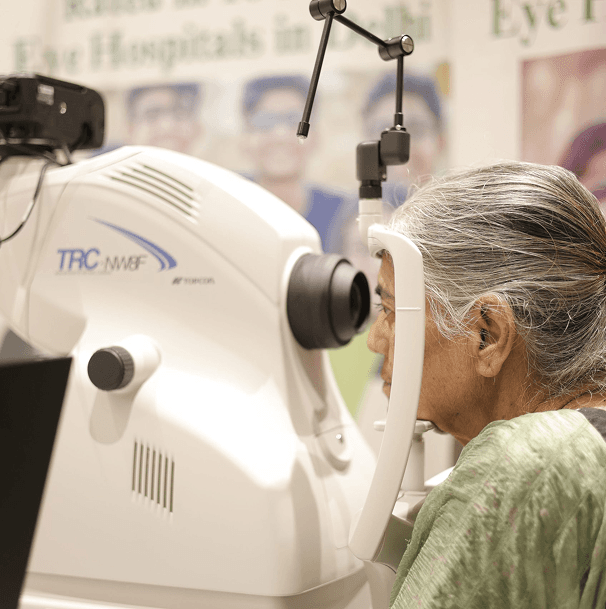
REQUEST AN APPOINTMENT