Painful Eyelid Lump
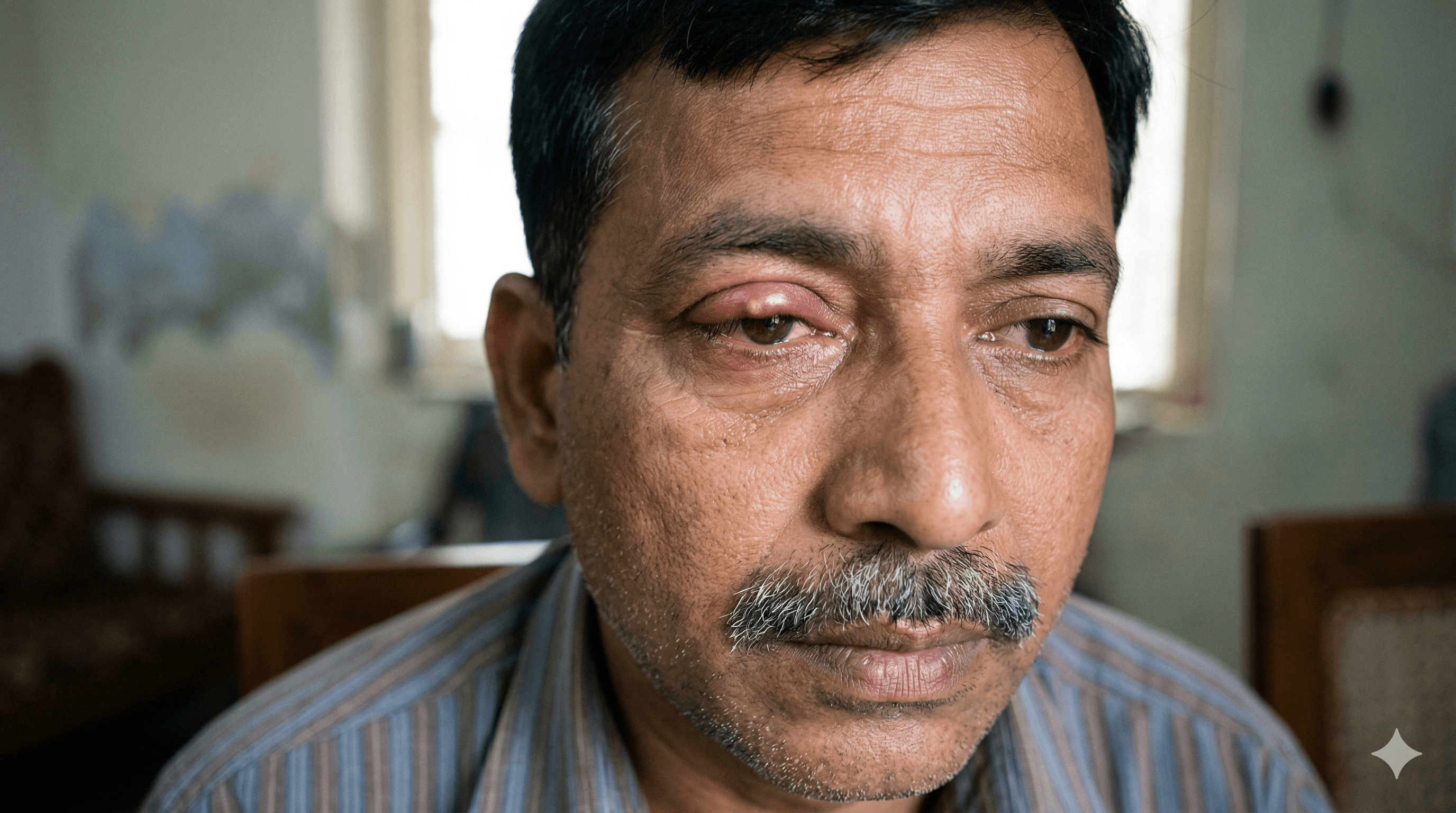
A tender, swollen nodule develops rapidly at the eyelid margin or within the tarsal plate. The pain is constant and increases with direct palpation, distinguishing a stye from the painless chalazion.
■UNDERSTANDING THE CONDITION
A stye forms when bacteria — most frequently Staphylococcus aureus — gain access to and infect an eyelid gland or hair follicle. The two main types correspond to which gland is infected. An external hordeolum arises from the glands of Zeis (sebaceous glands associated with eyelash follicles) or the glands of Moll (modified sweat glands), appearing as a painful pustule at the eyelid margin near the base of the lashes. An internal hordeolum involves the meibomian glands within the tarsal plate, producing a more deeply seated, tender lump on the inner surface of the eyelid.
The infection causes localised accumulation of neutrophils and necrotic debris — forming a purulent abscess that, in most cases, eventually points and drains spontaneously. The cardinal features of pain, redness, and tenderness reflect the acute inflammatory response to bacterial invasion, in contrast to a chalazion, which is a sterile chronic granulomatous reaction to retained meibomian secretion. The distinction between the two is clinically important as assessed at an eye clinic in Delhi.
Although typically self-limiting, a stye that fails to drain or resolve within 2 weeks, or one that recurs repeatedly, may transition into a chalazion or may indicate an underlying condition such as blepharitis that requires dedicated management.
A stye affects the eyelid glands and hair follicles along the eyelid margin. External styes involve the lash follicle-associated sebaceous and sweat glands; internal styes involve the meibomian glands embedded within the tarsal plate. Both cause localised eyelid margin infection and tenderness, as assessed during clinical examination at an eye hospital in Delhi.
A stye is an acute, localised bacterial infection of the eyelid. Its defining characteristics include:
■CLINICAL PRESENTATION
A stye typically develops over 1–3 days and presents with a recognisable cluster of local and ocular symptoms:
Painful Eyelid Lump
A tender, swollen nodule develops rapidly at the eyelid margin or within the tarsal plate. The pain is constant and increases with direct palpation, distinguishing a stye from the painless chalazion.
Redness and Localised Swelling
Erythema and oedema of the eyelid surrounding the infected gland reflect the acute inflammatory response. In more severe cases, the entire eyelid may become oedematous.
Localised Tenderness
Direct pressure over the stye produces significant discomfort, and the surrounding eyelid margin may be tender on examination due to spreading perilesional inflammation.
Pus Formation
A visible yellowish point — indicating pus accumulation within the abscess cavity — typically appears at the tip of an external stye at the lash margin after 2–4 days of infection.
Watering of the Eyes
Conjunctival irritation and the foreign body sensation caused by the eyelid lesion stimulates reflex lacrimation, producing increased tearing on the affected side.
Mild Photophobia
Some individuals experience mild light sensitivity on the affected side, particularly when the stye is large enough to contact the ocular surface with each blink.
These features suggest spreading infection, systemic involvement, or complications requiring prompt medical evaluation:
Severe or Spreading Eyelid Swelling
Same day evaluationDiffuse periorbital swelling extending beyond the eyelid margin may indicate preseptal or orbital cellulitis — a potentially serious spreading infection requiring urgent assessment and systemic antibiotic therapy.
Fever with Eyelid Infection
Immediate evaluationFever accompanying eyelid swelling suggests systemic spread of infection and possible preseptal or orbital cellulitis, requiring urgent hospital assessment and intravenous antibiotics.
Any Change in Vision
Immediate evaluationVision changes in the context of eyelid infection may indicate orbital involvement, raised intraocular pressure, or corneal complications — all requiring immediate ophthalmological assessment.
Progressive Worsening of Pain
Within 1 weekIncreasing pain despite warm compress treatment after 48–72 hours suggests the stye is not resolving spontaneously and may require antibiotic therapy or minor surgical incision and drainage.
Recurrent Styes at the Same Location
Within 1 weekRepeated stye formation at the same eyelid location, particularly in adults, should prompt evaluation for underlying blepharitis, meibomian gland dysfunction, or — rarely — a sebaceous gland tumour.

Ask yourself these questions to determine if medical evaluation is needed:
If you answered "yes" to any of these questions, a consultation with an eyelid infection specialist in Delhi is recommended to ensure appropriate treatment and prevent recurrence.
■TRIGGERS & ROOT CAUSES
The following lifestyle and hygiene habits are the most significant modifiable contributors to stye formation and recurrence:
Poor Eyelid Hygiene
HighFailure to clean the eyelid margins regularly allows oil, dead skin cells, and debris to accumulate at the gland orifices, creating an environment where Staphylococcal bacteria proliferate and ascend into the gland ducts.
Touching and Rubbing the Eyes with Unclean Hands
HighDirect transfer of Staphylococci from contaminated hands to the eyelid margin is a primary mechanism of stye infection. Habitual eye rubbing — particularly common in children and individuals with allergies — is a major trigger.
Use of Contaminated or Expired Eye Makeup
HighOld mascara, eyeliner, and other eye cosmetics harbour bacteria after repeated use. Applying contaminated products to the eyelid margin directly inoculates the gland openings. Sharing makeup compounds the contamination risk substantially.
Improper Contact Lens Hygiene
ModerateHandling contact lenses with inadequately washed hands introduces Staphylococci to the periocular environment. Extended lens wear increases chronic eyelid irritation and bacterial load at the eyelid margin.
Chronic Blepharitis
ModerateChronic anterior blepharitis associated with Staphylococcal colonisation of the eyelid margins significantly increases the frequency of stye formation by maintaining a persistent reservoir of bacteria adjacent to the gland openings.
Reduced Immunity and Poor General Health
LowSystemic conditions such as poorly controlled diabetes, chronic stress, sleep deprivation, and nutritional deficiencies impair the local immune response of eyelid tissues, making them more susceptible to bacterial infection.
Specific ocular and environmental conditions predispose the eyelid glands to infection and stye formation:
Meibomian Gland Blockage
Obstruction of meibomian gland orifices by debris and thickened secretions creates stagnation of oil within the gland, providing an ideal environment for bacterial proliferation and abscess formation.
Staphylococcal Colonisation of the Eyelid
Chronic colonisation of the anterior eyelid margin by Staphylococcus aureus — a normal skin organism that becomes pathogenic when introduced into the gland — is the direct microbiological cause of most styes.
Chronic Eyelid Inflammation
Persistent eyelid margin inflammation from any cause reduces the local tissue integrity, impairs gland drainage, and lowers the threshold for bacterial invasion and acute infection.
Environmental Dust and Pollutants
Airborne particulate matter deposits on eyelid margins and can physically obstruct gland openings while also acting as carriers for bacteria that cause stye infection.
Skin Conditions Affecting the Periorbital Area
Seborrhoeic dermatitis, acne rosacea, and other conditions affecting the facial skin and eyelid margins alter the local sebaceous secretion environment, increasing susceptibility to gland obstruction and secondary bacterial infection.
Certain systemic and ocular conditions increase the risk of stye formation and recurrence:
Chronic Anterior Blepharitis
The most consistently associated condition; chronic eyelid margin inflammation with Staphylococcal colonisation directly increases stye risk by maintaining bacterial reservoirs adjacent to gland openings.
Diabetes Mellitus
Diabetic patients have impaired neutrophil function and reduced tissue immunity, making them more susceptible to Staphylococcal infections including recurrent styes and eyelid abscess.
Dry Eye Syndrome
Meibomian gland dysfunction associated with dry eye creates abnormal gland secretions and blockage, increasing bacterial accumulation within the gland and stye risk.
Ocular Rosacea
Rosacea causes chronic meibomian gland inflammation and abnormal lipid secretion, making affected individuals prone to recurrent styes and meibomianitis.
Immune Deficiency
Conditions reducing immune competence — including immunosuppressive therapy, HIV, or nutritional deficiency — predispose to more frequent, more severe, and slower-resolving stye infections.
■CLINICAL EVALUATION
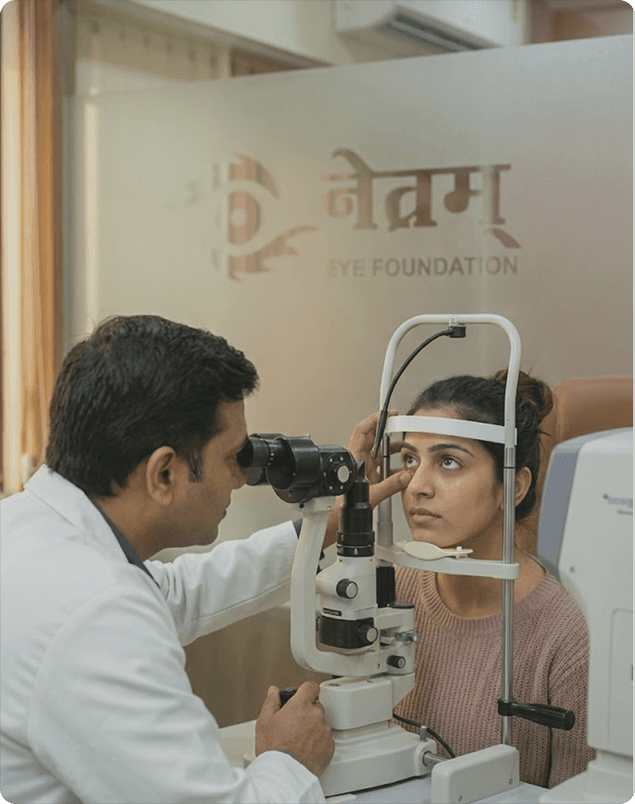
A stye is diagnosed primarily through clinical eyelid examination. Your specialist will assess:
■MANAGEMENT & TREATMENT
Apply Warm Compresses Regularly
Applying a clean warm cloth (40–45°C) to the affected eyelid for 10–15 minutes, four times daily, promotes drainage of the abscess by softening the pus collection and dilating the gland orifice.
Maintain Strict Eyelid Hygiene
Gently cleaning eyelid margins daily with diluted baby shampoo or prescribed eyelid wipes reduces the bacterial load that perpetuates stye formation and prevents recurrence in individuals with blepharitis.
Avoid Touching, Rubbing, or Squeezing
Refraining from touching the eyelid or attempting to squeeze the stye prevents spreading the infection to adjacent glands, introducing additional bacteria, and potentially driving the infection deeper into the eyelid.
Avoid Eye Makeup During Infection
Abstaining from mascara, eyeliner, and other eye cosmetics until the stye has fully resolved prevents recontamination of the gland openings and avoids further ocular surface irritation.
Discontinue Contact Lens Use
Contact lenses should not be worn during an active stye infection as they increase eyelid irritation, risk lens contamination, and may delay the natural drainage and resolution of the infection.
Use Prescribed Antibiotic Therapy
Antibiotic-steroid ointment or drops prescribed by your ophthalmologist reduce the bacterial burden at the eyelid margin, manage associated inflammation, and are particularly important when the stye is not responding to warm compresses alone.
Topical Antibiotic-Steroid Ointment
For active stye with inflammationCombination ointments containing an antibiotic and a corticosteroid reduce bacterial load and perilesional inflammation when applied to the eyelid margin twice daily, accelerating resolution in styes responding slowly to warm compresses.
Systemic Oral Antibiotics
For spreading infection or recurrent casesOral antibiotics effective against Staphylococcus aureus are prescribed when the infection appears to be spreading, when preseptal cellulitis is developing, or in individuals with recurrent styes and concurrent blepharitis requiring systemic bacterial load reduction.
Incision and Drainage
For non-resolving or fluctuant abscessesA minor procedure under local anaesthesia in which the stye is incised and the pus evacuated. Indicated when a stye has not resolved after 1–2 weeks despite warm compresses, or when a large, fluctuant abscess is causing significant discomfort.

■SURGICAL INTERVENTION
The overwhelming majority of styes resolve completely with conservative management — warm compresses, eyelid hygiene, and antibiotic therapy where indicated — without any surgical intervention. Surgery, in the form of a simple incision and drainage procedure under local anaesthesia, is reserved for styes that fail to drain spontaneously after 1–2 weeks of appropriate conservative treatment, or when a large, tense abscess is causing significant pain and requires expedited relief.
The procedure is brief, well-tolerated, and effective, with patients typically returning to normal activity within 24 hours. A stye that transitions into a non-resolving chalazion after the acute infection subsides may subsequently require intralesional steroid injection or incision and curettage. At Netram Eye Foundation in Delhi, expert eyelid evaluation ensures that treatment is appropriately calibrated to each patient's presentation, minimising intervention while achieving prompt and sustained resolution.
■ALL YOUR QUESTIONS ANSWERED
A stye is caused by bacterial infection of the eyelid glands or hair follicles. Staphylococcus aureus — a bacterium that naturally colonises the skin and eyelid margins — is responsible in the vast majority of cases. Infection occurs when these bacteria gain access to a blocked or obstructed gland duct, proliferate within the stagnant contents, and produce the characteristic localised abscess. Contributing factors include poor eyelid hygiene, frequent eye rubbing with unclean hands, contaminated eye makeup, chronic blepharitis, and any condition that impairs the local or systemic immune response.
Yes. Most styes are self-limiting and resolve spontaneously within 7–14 days as the pus collection points, drains, and the infection clears. Consistent warm compress application four times daily significantly accelerates this natural drainage process. Resisting the urge to squeeze the stye is important — the infection relieves itself at the appropriate time through natural pointing and rupture. Styes that do not improve after 2 weeks, or that appear to be enlarging rather than resolving, should be evaluated by an ophthalmologist.
A stye is not directly contagious in the conventional sense — it cannot be 'caught' from another person through casual contact the way a viral infection can. However, the bacteria causing the stye (Staphylococcus aureus) can be transferred on contaminated towels, pillowcases, or through direct hand-to-eye contact. Good hand hygiene, not sharing facial items, and avoiding eye rubbing during an active stye reduce the risk of introducing or spreading bacteria. In households with recurrent stye episodes, attention to shared personal items and eyelid hygiene in all members is advisable.
No. Eye makeup should be avoided during an active stye for several important reasons: application introduces further bacteria directly to the inflamed gland openings, cosmetic products may physically block the drainage pathway, and continued makeup use contaminates brushes and applicators. Any eye makeup products used during an active infection should be discarded after recovery to prevent recontamination. Contact lenses should similarly not be worn during a stye infection as they cause additional eyelid friction, risk lens contamination, and may delay resolution of the infection.
Yes, recurrence is common — particularly in individuals with underlying risk factors such as chronic anterior blepharitis, meibomian gland dysfunction, rosacea, or diabetes. Recurrent styes indicate that the root cause — usually chronic eyelid colonisation with Staphylococcus aureus and poor gland drainage — has not been addressed. Long-term management of recurrent styes involves daily eyelid hygiene, treatment of coexisting blepharitis with antibiotic-steroid ointment, and management of any systemic predisposing condition. Recurrent styes at the same location that do not respond to antibiotics should also be evaluated to exclude an underlying eyelid tumor.
You should seek ophthalmological evaluation if the stye has not started to improve after 2 weeks of warm compress treatment; if the pain is increasing rather than decreasing; if the swelling extends beyond the eyelid to involve the surrounding periorbital area; if there is associated fever; if you notice any change in vision; or if you have had more than two styes in the past 6 months. Recurrent styes, particularly at the same location, also warrant a specialist assessment to evaluate for chronic blepharitis, identify predisposing conditions, and discuss targeted management strategies to prevent further episodes.
Still have questions? Our team is here to help.
Schedule Consultation
REQUEST AN APPOINTMENT