Rhythmic Eyelid Movement
Repetitive, wave-like contractions of the eyelid margin, typically occurring in brief episodes lasting seconds to minutes

■UNDERSTANDING THE CONDITION
Eye twitching, medically termed myokymia, refers to repetitive, involuntary spasms of the eyelid muscles. This phenomenon occurs when the orbicularis oculi muscle—the circular muscle responsible for closing the eyelid—experiences brief, uncontrollable contractions, a concern frequently evaluated at an eye clinic in Delhi.
The condition predominantly affects the lower eyelid, though upper eyelid involvement can occur. These spasms typically present as small, rhythmic movements visible to the affected individual but often imperceptible to others. Each episode can last from several seconds to a few minutes, with frequency varying from occasional to multiple times per hour.
Unlike more serious conditions such as blepharospasm or hemifacial spasm, simple myokymia is characterised by its unilateral presentation, absence of pain, and self-limiting nature—features an ophthalmologist in Delhi uses to distinguish it during clinical evaluation. The spasms do not cause the eyelid to fully close and do not interfere with vision.
"The vast majority of patients experiencing eyelid myokymia find complete resolution within 2–3 weeks without any medical intervention, particularly once triggering factors are identified and addressed."
— Clinical observation from ophthalmological practice
The orbicularis oculi muscle encircles the eye and is responsible for both voluntary and involuntary eyelid closure. When this muscle undergoes spontaneous contractions, it leads to visible twitching of the eyelid margin, as commonly assessed during examinations at an eye hospital in Delhi.
Myokymia is classified as a benign fasciculation, a temporary, self-limiting condition with no long-term complications. It differs from chronic movement disorders in that it:
■CLINICAL PRESENTATION
Common manifestations of simple eyelid myokymia that typically resolve without intervention:
Rhythmic Eyelid Movement
Repetitive, wave-like contractions of the eyelid margin, typically occurring in brief episodes lasting seconds to minutes
Lower Eyelid Predominance
Approximately 75% of cases affect the lower eyelid, though upper eyelid or simultaneous involvement can occur
Unilateral Presentation
Usually affects one eye at a time; bilateral twitching is less common and may suggest different etiology
Minimal Visual Disturbance
Awareness of movement without actual vision impairment; twitching does not obscure visual field
Intermittent Episodes
Symptoms wax and wane throughout the day, often correlating with fatigue, stress, or caffeine intake
These symptoms suggest a serious underlying condition & require prompt ophthalmological eval:
Complete Eyelid Closure
Immediate evaluationForceful spasms causing complete eye closure may indicate blepharospasm.
Facial Muscle Involvement
Neurological referralTwitching spreading to cheek, mouth, or other facial areas suggests hemifacial spasm
Persistent Duration
Within 1 weekSymptoms lasting more than 3 weeks without improvement require diagnostic workup
Ptosis Development
Urgent assessmentDrooping of the upper eyelid accompanying twitching may indicate neuromuscular disorder
Ocular Surface Changes
Same day evaluationRedness, discharge, swelling, or pain suggest concurrent ocular pathology

Ask yourself these questions to determine if medical evaluation is needed:
If you answered "yes" to any of these questions, schedule a consultation with an eye care specialist in Delhi.
■TRIGGERS & ROOT CAUSES
The majority of myokymia cases are directly attributable to modifiable lifestyle factors that affect neuromuscular function:
Sleep Deprivation
HighInsufficient sleep (less than 6–7 hours) disrupts neuromuscular regulation and increases sympathetic nervous system activity. Chronic sleep debt is the single most common precipitant of eyelid twitching.
Psychological Stress
HighAcute or chronic stress elevates cortisol and catecholamine levels, leading to increased muscle tension. Work pressure, personal challenges, & anxiety disorders are frequent contributors.
Caffeine Over-Consumption
ModerateExcessive intake of coffee, tea, energy drinks, or caffeinated sodas (typically >400mg daily) overstimulates the nervous system and can trigger muscle twitching. Individual sensitivity varies considerably.
Digital Eye Strain
ModerateProlonged screen time without adequate breaks causes eye fatigue and reduces blink frequency, leading to dry eyes and muscle tension. The 20-20-20 rule helps mitigate this risk.
Alcohol Consumption
ModerateRegular or excessive alcohol intake affects neurological function and disrupts sleep quality, indirectly contributing to twitching. Alcohol also has diuretic effects that can lead to dehydration.
Nutritional Deficiency
LowMagnesium deficiency specifically has been implicated in muscle fasciculations. Inadequate intake of B vitamins may also contribute to neuromuscular symptoms.
Conditions affecting the eye surface and visual system can trigger or exacerbate twitching:
Dry Eye Syndrome
Tear film instability leads to ocular surface irritation, triggering reflex muscle spasms.
Uncorrected Refractive Error
Eyestrain from undiagnosed myopia, hyperopia, or astigmatism causes chronic eye muscle fatigue
Ocular Allergies
Histamine release causes eye irritation and rubbing, which can stimulate eyelid twitching.
Contact Lens Overwear
Prolonged contact lens use reduces corneal oxygenation and increases mechanical irritation
Bright Light Sensitivity
Photophobia and squinting in bright environments increases orbicularis oculi tension
In rare cases, persistent twitching may indicate neurological or systemic conditions:
Benign Essential Blepharospasm
Progressive disorder causing bilateral, forceful eyelid closure; typically begins after age 50
Hemifacial Spasm
Unilateral facial muscle contractions, usually caused by vascular compression of facial nerve
Medication Side Effects
Certain drugs including antipsychotics, anti-histamines & diuretics can trigger fasciculations
Bell's Palsy
Facial nerve inflammation may cause twitching during recovery phase
Parkinson's Disease
Tremor and rigidity may be accompanied by increased blink rate and occasional twitching
■CLINICAL EVALUATION
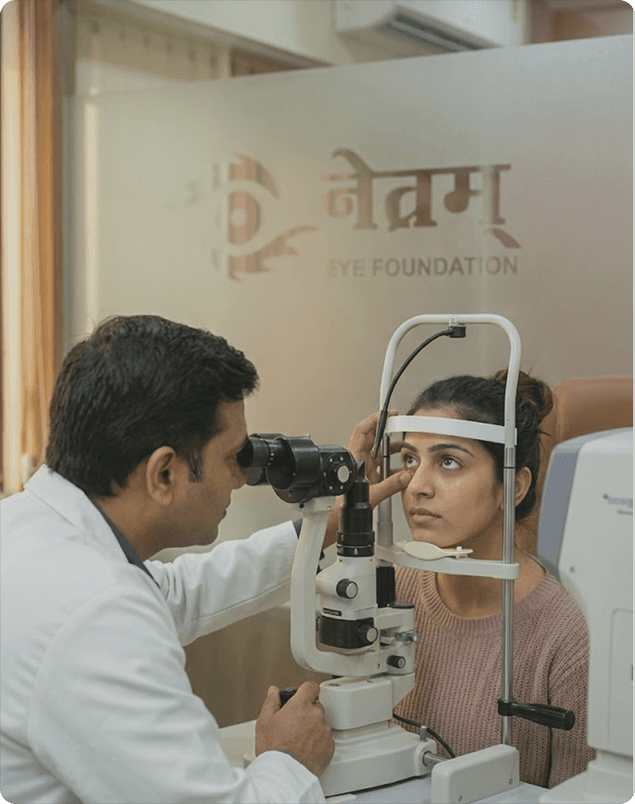
Your eye care specialist will conduct a thorough evaluation to differentiate benign myokymia from more serious conditions:
■MANAGEMENT & TREATMENT
Get Adequate Sleep
Aim for 7–9 hours of quality sleep each night. Sleep deprivation is one of the most common triggers.
Reduce Stress
Practice relaxation techniques such as meditation, deep breathing, or yoga to manage stress levels.
Limit Caffeine
Reduce coffee, tea, and energy drink consumption. Try limiting intake to 1–2 cups daily.
Reduce Screen Time
Follow the 20-20-20 rule: every 20 minutes, look 20 feet away for 20 seconds.
Apply Warm Compress
Use a warm, damp cloth on closed eyelids for 5–10 minutes to relax eye muscles.
Stay Hydrated
Drink plenty of water throughout the day. Dehydration can contribute to muscle spasms.
Botulinum Toxin (Botox) Injections
For chronic or severe casesSmall injections into the affected eyelid muscle to reduce spasms. Effects typically last 3–4 months.
Prescription Eye Drops
When dry eye is a contributing factorMedicated drops to treat underlying dry eye conditions that may be triggering twitching.
Vision Correction
For refractive errors causing strainUpdated prescription glasses or contact lenses if eye strain from uncorrected vision is the cause.
Allergy Medications
When allergies trigger symptomsAntihistamine drops or oral medications to reduce eye irritation from allergies.

■SURGICAL INTERVENTION
Less than 1% of patients with this condition will ever require surgical intervention. Over 95% of cases resolve completely with lifestyle modifications and, when necessary, medical treatments.
Surgery is only considered in extremely rare cases involving severe, chronic conditions such as benign essential blepharospasm or hemifacial spasm—diagnoses that differ significantly from simple myokymia and fall outside routine eye twitching treatment in Delhi, requiring specialised neurological assessment.
■ALL YOUR QUESTIONS ANSWERED
No. Simple eyelid myokymia is almost always self-limiting and typically resolves within days to a few weeks once the underlying triggers — such as sleep deprivation, psychological stress, or excess caffeine — are identified and addressed. The condition is benign by nature and rarely requires medical intervention beyond lifestyle adjustments. In the majority of cases, patients see complete resolution after improving sleep habits, reducing stress, and cutting back on stimulants. Persistent twitching that continues beyond 3 weeks without any identifiable cause warrants a clinical evaluation by an ophthalmologist to rule out more serious conditions such as blepharospasm or a neurological disorder.
Benign eyelid myokymia is painless and typically causes only minor inconvenience. The twitching sensation may feel slightly strange or bothersome, but it is not associated with discomfort, soreness, or tenderness around the eye. The eyelid movements are gentle fasciculations — not forceful spasms — meaning they do not cause strain or fatigue in the surrounding muscles. If you experience pain, burning, or aching alongside twitching, this may indicate a different underlying condition such as dry eye syndrome, ocular surface disease, or in rare cases a neurological issue. Any painful twitching should be assessed promptly by an ophthalmologist to rule out a more serious diagnosis.
Yes, stress is one of the most frequently reported triggers for eyelid twitching. Psychological stress — whether acute, such as exam pressure or a difficult life event, or chronic, such as workplace anxiety — elevates cortisol and catecholamine levels in the body. This hormonal response heightens the excitability of the nervous system and increases baseline muscle tension, making involuntary fasciculations of the orbicularis oculi significantly more likely. Managing stress through relaxation techniques, regular exercise, and adequate sleep can markedly reduce the frequency and severity of stress-related twitching. If stress is a recurring trigger, addressing it holistically often resolves the twitching without any direct ocular treatment.
No. Benign eyelid myokymia does not impair vision in any meaningful way. The fasciculations cause only gentle rippling of the eyelid margin and do not result in complete eyelid closure, meaning light transmission and visual clarity are not obstructed during episodes. There is no structural damage to the cornea, lens, or retina, and no long-term changes to visual acuity. You may notice a faint flickering sensation in your peripheral awareness during active spasms, but this is a perceptual phenomenon rather than a sign of visual impairment. If you experience actual blurring, double vision, or visual field changes alongside twitching, a prompt ophthalmological evaluation is recommended, as these symptoms may indicate a different condition entirely.
For most adults, caffeine intake exceeding 400 mg per day — roughly equivalent to four standard cups of brewed coffee — is associated with increased neuromuscular excitability and can trigger eyelid twitching. However, individual sensitivity varies considerably. Some people begin noticing symptoms at just 100–200 mg daily, particularly if they are also sleep-deprived or under stress. Caffeine works by blocking adenosine receptors in the brain, which increases neuronal firing rates and muscle sensitivity. Energy drinks, strong teas, cola beverages, and certain over-the-counter medications also contribute significantly to daily caffeine load and are often overlooked. If you suspect caffeine is a factor, try gradually reducing intake over one to two weeks and monitor whether twitching frequency decreases.
In the vast majority of cases, eye twitching is a completely benign, self-limiting condition with no serious underlying cause. Simple myokymia is so common that most adults experience it at some point in their lives, and it almost always resolves without medical treatment. However, certain patterns may suggest a more significant issue and should not be ignored. These include twitching that spreads progressively to the cheek, mouth, or other facial muscles; spasms forceful enough to cause complete eyelid closure; twitching accompanied by facial drooping, double vision, or speech difficulty; and symptoms persisting beyond three weeks without improvement. These patterns may indicate blepharospasm, hemifacial spasm, a cranial nerve palsy, or an underlying neurological condition — all of which require timely specialist evaluation and targeted management.
Still have questions? Our team is here to help.
Schedule Consultation
REQUEST AN APPOINTMENT