Blurred or Fluctuating Vision
Episodes of blurred or fluctuating vision are common. Blood sugar changes can temporarily affect retinal function, causing vision to vary throughout the day.
■UNDERSTANDING THE CONDITION
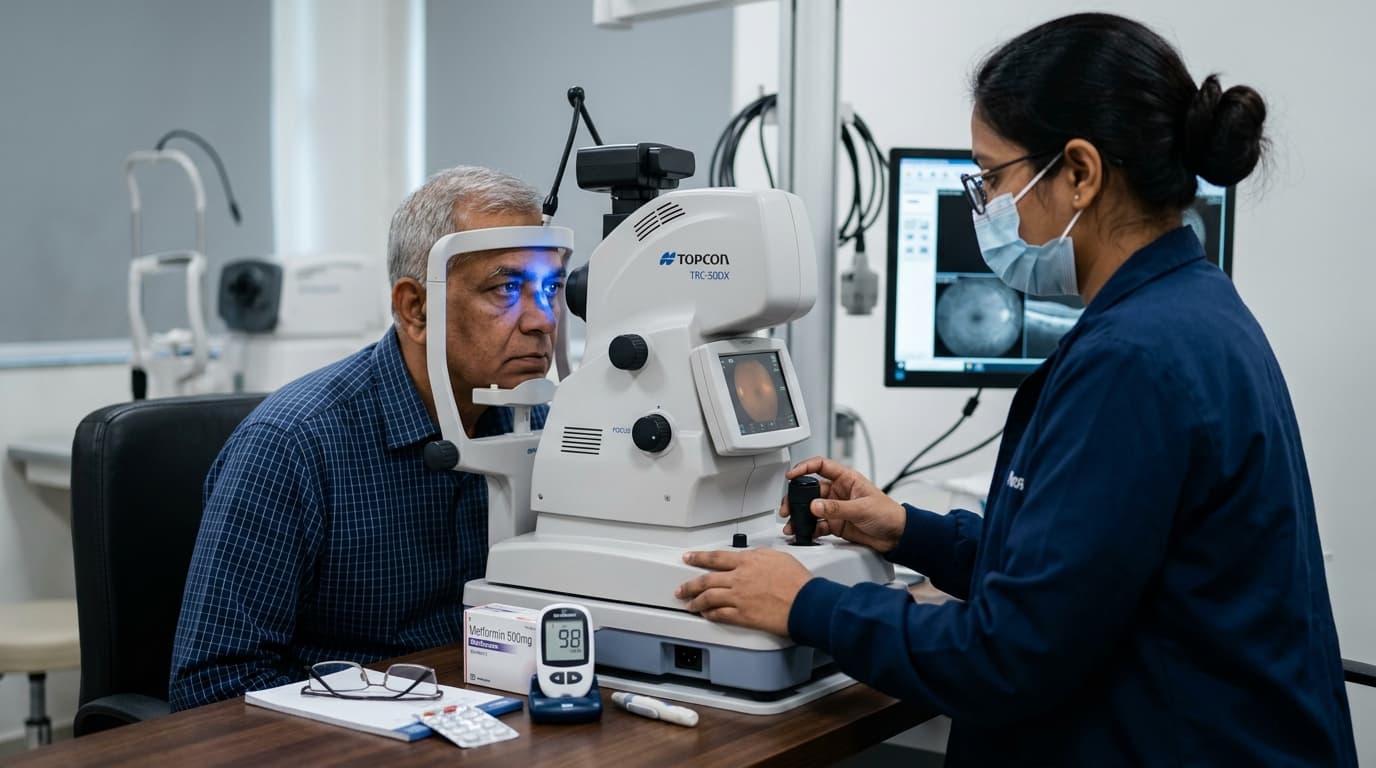
Diabetic retinopathy occurs when high blood sugar damages the tiny blood vessels that supply the retina. These blood vessels are extremely delicate and play an essential role in maintaining healthy retinal function.
When diabetes is not well controlled, the vessel walls may weaken and begin to leak fluid or blood into the surrounding retinal tissue. Some vessels may also become blocked, reducing blood supply to certain parts of the retina. In response to this reduced circulation, the eye may begin forming new abnormal blood vessels—unfortunately, these new vessels are fragile and prone to bleeding, which can further affect vision.
Doctors describe diabetic retinopathy in two main stages: Non-Proliferative Diabetic Retinopathy (NPDR), the early stage with weakened retinal vessels, and Proliferative Diabetic Retinopathy (PDR), the advanced stage involving abnormal new vessel growth. Early detection and proper diabetes management are crucial to preventing vision loss, as regularly emphasised by an ophthalmologist in Delhi.
Diabetic retinopathy primarily affects the retina, a thin layer of tissue at the back of the eye that detects light and sends visual signals to the brain. When retinal blood vessels become damaged, the retina cannot function efficiently, which may result in blurred, distorted, or obstructed vision.
Diabetic retinopathy is a progressive retinal disease linked to diabetes. Common characteristics include:
■CLINICAL PRESENTATION
One of the challenges of diabetic retinopathy is that symptoms often appear only after the disease has progressed. Common manifestations include:
Blurred or Fluctuating Vision
Episodes of blurred or fluctuating vision are common. Blood sugar changes can temporarily affect retinal function, causing vision to vary throughout the day.
Floaters or Dark Spots
Small floating spots or thread-like shapes may appear in the field of vision when tiny amounts of blood leak from weakened retinal vessels.
Difficulty Seeing at Night
Driving at night or navigating poorly lit environments may become increasingly challenging as retinal function becomes affected.
Distorted Vision
Straight objects such as door frames or lines of text may appear bent or wavy when fluid accumulates in the central retina (diabetic macular edema).
Patchy or Blurred Areas in Vision
Certain areas of the visual field may appear blurred or partially missing when damaged vessels reduce oxygen supply to specific retinal regions.
Gradual Vision Changes
In many cases, diabetic retinopathy develops slowly, with subtle changes in visual clarity becoming more noticeable over time.
These symptoms suggest advanced retinal involvement and require prompt ophthalmological evaluation:
Sudden Vision Loss
Immediate evaluationA sudden decrease in vision may indicate bleeding inside the eye or advanced retinal damage. Immediate medical attention is required.
Large Floaters or Dark Shadows
Same day evaluationA sudden shower of floaters or the appearance of a dark shadow may suggest bleeding in the vitreous cavity requiring urgent assessment.
Distorted or Wavy Central Vision
Within 1 weekIf straight lines appear wavy or distorted, it may indicate swelling in the central retina affecting reading and detailed tasks.
Blurred Central Vision
Within 1 weekCentral blurring that makes reading, recognising faces, or using digital devices more difficult warrants early evaluation.
Persistent Vision Changes
Within 1 weekOngoing blurred or unstable vision should be evaluated promptly to determine the underlying retinal cause.
Loss of Peripheral Vision
Urgent assessmentIn advanced stages, damage to the retina may affect side vision, making navigation and spatial awareness more difficult.

People living with diabetes should ask themselves these questions regularly:
If you answered "yes" to any of these questions, an early retinal evaluation at an eye hospital in Delhi is strongly recommended to prevent vision loss.
■TRIGGERS & ROOT CAUSES
Diabetic retinopathy develops primarily because of long-term damage to retinal blood vessels caused by elevated blood sugar levels. These modifiable lifestyle factors significantly influence disease progression:
Poor Blood Sugar Control
HighPersistently high blood sugar gradually damages the tiny blood vessels that nourish the retina. Over time, these vessels may leak fluid or become blocked, leading to retinal swelling and vision problems.
Irregular Diabetes Management
HighSkipping medications, missing insulin doses, or failing to monitor blood sugar regularly allows glucose levels to fluctuate widely, placing additional stress on retinal blood vessels.
Smoking
HighSmoking damages blood vessels and reduces oxygen delivery to tissues. In individuals with diabetes, tobacco use significantly increases the risk of retinal vascular damage.
Unhealthy Dietary Habits
ModerateFrequent consumption of foods high in refined sugars and processed carbohydrates makes diabetes harder to control, contributing to unstable blood sugar levels and increased retinal damage risk.
Physical Inactivity
ModerateRegular exercise helps regulate blood sugar and improves circulation. A sedentary lifestyle worsens metabolic control and increases the likelihood of diabetic complications affecting the eyes.
Delayed Medical Checkups
ModerateWhen eye examinations are irregular, early retinal changes may go unnoticed. Without timely detection, diabetic retinopathy can progress silently to an advanced stage.
Several systemic and environmental factors can accelerate retinal vessel damage in people with diabetes:
Long Duration of Diabetes
The risk of diabetic retinopathy increases the longer a person lives with diabetes, particularly when blood sugar control has been suboptimal.
High Blood Pressure
Hypertension places additional strain on blood vessels and can accelerate retinal damage in people with diabetes.
High Cholesterol Levels
Elevated cholesterol can contribute to fatty deposits within retinal blood vessels and worsen vascular damage.
Pregnancy in Diabetic Patients
Pregnancy may temporarily worsen diabetic retinopathy due to hormonal and metabolic changes. Regular retinal monitoring during pregnancy is recommended.
Poor Glycemic Stability
Frequent fluctuations in blood sugar levels may accelerate retinal vessel damage and disease progression even when average levels appear controlled.
Lifestyle and Environmental Stress
Chronic stress, irregular sleep patterns, and unhealthy lifestyle habits may indirectly influence blood sugar control and retinal health.
Certain systemic conditions can significantly increase the risk or rate of progression of diabetic retinopathy:
Type 1 Diabetes
Individuals with long-standing type 1 diabetes have a higher risk of developing retinal complications over time.
Type 2 Diabetes
Diabetic retinopathy is also common in people with long-standing type 2 diabetes, particularly when blood sugar control remains poor.
Hypertension
High blood pressure can independently accelerate damage to retinal blood vessels in diabetic patients.
Kidney Disease
Diabetic kidney disease is often associated with increased risk of retinal complications due to shared vascular damage mechanisms.
Cardiovascular Disease
Circulatory disorders affecting blood flow may worsen retinal vascular damage in individuals with diabetes.
■CLINICAL EVALUATION
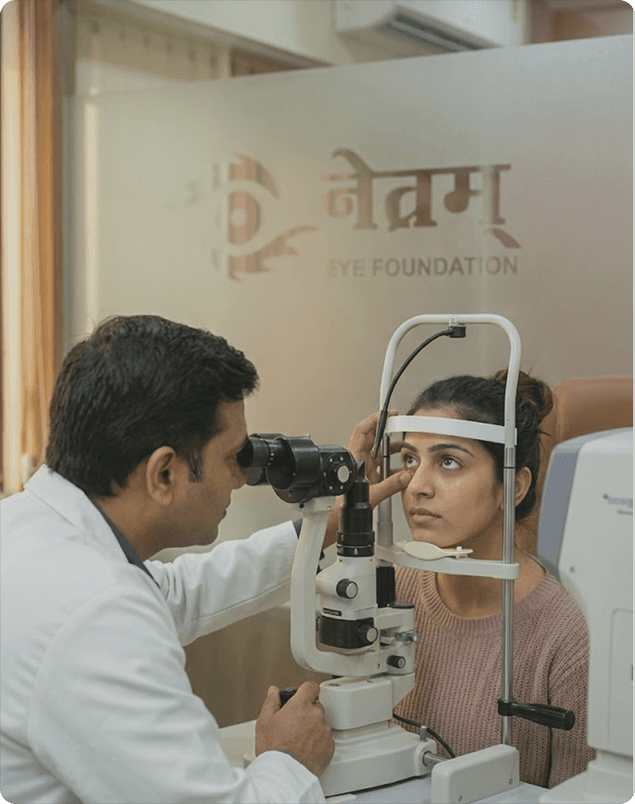
Diabetic retinopathy is detected through a comprehensive retinal examination. Your specialist will evaluate:
■MANAGEMENT & TREATMENT
Maintain Blood Sugar Control
Keeping blood glucose levels within the recommended range is one of the most effective ways to protect retinal health and slow disease progression.
Monitor Blood Pressure
Maintaining healthy blood pressure reduces stress on retinal blood vessels and significantly lowers the risk of accelerated retinal damage.
Follow Diabetes Treatment Plan
Regular medications, insulin therapy, and medical guidance are essential for maintaining stable diabetes management.
Adopt Healthy Dietary Habits
Balanced nutrition with reduced refined sugars and processed foods supports stable blood sugar levels and overall vascular health.
Stay Physically Active
Regular exercise improves circulation, helps regulate blood glucose levels, and supports overall metabolic health.
Schedule Routine Eye Exams
Annual retinal examinations help detect early changes and allow timely treatment before significant vision loss occurs.
Anti-VEGF Injections
For macular edema and proliferative DRIntravitreal injections of anti-VEGF agents reduce abnormal blood vessel growth and fluid accumulation in the retina.
Laser Photocoagulation
For abnormal vessel formationTargeted laser treatment seals leaking blood vessels and reduces the risk of further retinal bleeding.
Intravitreal Steroids
For diabetic macular edemaSteroid injections reduce retinal inflammation and swelling when anti-VEGF therapy alone is insufficient.
Vitrectomy
For advanced vitreous haemorrhageSurgical removal of blood and scar tissue from inside the eye in severe cases of proliferative diabetic retinopathy.

■SURGICAL INTERVENTION
In advanced cases of diabetic retinopathy, laser therapy, intravitreal injections, or vitreoretinal surgery may be recommended to stabilise retinal damage and preserve vision. Treatment is advised when retinal swelling affects central vision, abnormal blood vessels develop, retinal bleeding occurs, or vision begins to decline.
Not all patients with diabetic retinopathy require surgery—early detection and good diabetes control can prevent the need for intervention in many cases. At Netram Eye Foundation in Delhi, modern retinal treatment techniques help manage diabetic retinopathy safely and effectively with the least invasive approach appropriate for each stage.
■ALL YOUR QUESTIONS ANSWERED
It develops when persistently high blood sugar levels damage the delicate blood vessels that nourish the retina. Over time, these vessels leak fluid, bleed, or become blocked, impairing retinal function.
Good diabetes control, maintaining healthy blood pressure and cholesterol, quitting smoking, and attending regular eye examinations can significantly reduce the risk of developing or progressing diabetic retinopathy.
No. Early stages of diabetic retinopathy often occur without any noticeable vision changes. This is why routine annual retinal examinations are recommended for all people with diabetes, even those with no visual symptoms.
Early treatment can prevent further damage and in some cases improve vision. However, vision lost to advanced retinal damage may not be fully recoverable, which is why early detection is critical.
Most individuals with diabetes should have a dilated retinal examination at least once a year. Those with existing retinopathy may require more frequent monitoring, as advised by their ophthalmologist.
Yes, if untreated or poorly managed, advanced diabetic retinopathy can lead to severe vision loss. It is one of the leading causes of preventable blindness in working-age adults worldwide, which makes regular screening essential.
Still have questions? Our team is here to help.
Schedule Consultation
REQUEST AN APPOINTMENT